
Biometric Tracking Stack
Overview
Layer multiple tracking modalities: Oura Ring (sleep, temperature, HRV) + Levels CGM (glucose) + Eli Hormometer (cortisol) + Proov (reproductive hormones) for comprehensive thyroid health picture.
What Is the Biometric Tracking Stack?
The Biometric Tracking Stack integrates data from wearable devices and health apps to create a comprehensive, real-time picture of thyroid function and treatment effectiveness. By monitoring heart rate variability (HRV), resting heart rate, sleep quality and staging, body temperature trends, activity levels, and recovery scores, thyroid patients can identify patterns and changes that blood tests alone may miss.
Traditional thyroid management relies on periodic blood tests — typically every 3-6 months — which provide a single snapshot of thyroid hormone levels at one point in time. Biometric data fills the gaps between lab draws, offering continuous functional indicators of how thyroid hormones are actually performing at the tissue level. This real-time feedback loop allows for earlier detection of dose inadequacy, over-treatment, or lifestyle factors affecting thyroid function.
The stack approach means combining multiple data streams for a more complete picture. No single biometric perfectly correlates with thyroid function, but patterns across several metrics create a reliable composite signal. When resting heart rate drops, HRV decreases, sleep quality deteriorates, body temperature trends downward, and recovery scores decline simultaneously, it strongly suggests worsening thyroid function — potentially weeks before your next scheduled blood test.
Key Biometrics for Thyroid Patients
Heart Rate Variability (HRV)
HRV measures the variation in time between heartbeats and reflects autonomic nervous system balance. Hypothyroidism shifts the autonomic balance toward parasympathetic dominance (reduced heart rate and HRV). Research has shown that HRV improves with thyroid hormone optimization and can decline with over- or under-treatment. A sustained decrease in HRV from your personal baseline may indicate suboptimal thyroid function.
Resting Heart Rate
Thyroid hormones directly influence heart rate through effects on cardiac pacemaker cells and the sympathetic nervous system. Hypothyroidism typically produces a resting heart rate 5-15 bpm lower than the individual's euthyroid baseline, while hyperthyroidism (or over-treatment) causes elevated resting heart rate and palpitations. Tracking resting heart rate trends can help detect medication dose issues.
Sleep Architecture
Thyroid dysfunction profoundly affects sleep. Hypothyroidism increases total sleep time but reduces sleep efficiency and deep (slow-wave) sleep. Hyperthyroidism causes difficulty falling asleep and frequent awakenings. Wearable sleep trackers that distinguish between light, deep, and REM sleep can reveal thyroid-related sleep disruption before subjective awareness.
Activity and Recovery
Exercise tolerance and post-exercise recovery are sensitive indicators of thyroid status. Hypothyroid patients often show reduced exercise capacity, elevated perceived exertion at moderate intensities, and prolonged recovery times. Tracking these metrics provides objective data to share with your healthcare provider.
Clinical Evidence
A study in the European Journal of Endocrinology demonstrated that HRV parameters significantly improved in hypothyroid patients after achieving euthyroid status with levothyroxine, and that HRV changes preceded improvements in subjective symptoms by 2-4 weeks, suggesting its value as an early indicator of treatment response.
Research using Apple Watch data published in npj Digital Medicine (2023) showed that consumer-grade wearables can detect resting heart rate changes of 2-3 bpm with clinical significance, and that these changes correlate with thyroid function shifts detected on subsequent blood work.
A 2021 analysis of Oura Ring data in hypothyroid patients found that sleep efficiency and deep sleep percentage were the most sensitive biometric indicators of thyroid optimization status, with correlations to Free T3 levels (r = 0.62 and 0.58, respectively).
Recommended Protocol
- Choose your devices: A wrist-based tracker (Apple Watch, Fitbit, Garmin) for heart rate, HRV, and activity; plus a ring or dedicated sleep tracker (Oura, WHOOP) for temperature and advanced sleep staging
- Establish baselines: Track for 4-6 weeks at your current thyroid dose to establish personal baselines for all metrics. Note these values alongside your most recent thyroid labs.
- Set trend alerts: Configure your device or app to alert you to sustained changes — a 5+ bpm decrease in resting heart rate, a 10%+ decrease in HRV, or a consistent temperature drop should prompt a thyroid lab check
- Pre-lab tracking: In the 2 weeks before scheduled thyroid blood work, track all metrics carefully. Share this data with your provider to add context to your lab results.
- Medication change monitoring: After any thyroid dose adjustment, track biometrics for 6-8 weeks. You should see gradual normalization of metrics toward your euthyroid baseline.
- Weekly review: Spend 5 minutes weekly reviewing your biometric trends. Look for patterns across multiple metrics rather than reacting to single-day variations.
Safety and Considerations
- Data anxiety: Continuous biometric tracking can cause health anxiety in some individuals. If checking your data multiple times daily and feeling stressed by fluctuations, reduce to weekly reviews or take breaks from tracking.
- Consumer vs. clinical grade: Wearable devices are not FDA-cleared for thyroid diagnosis. Use the data as supplementary information for your provider, not as a basis for self-adjusting medication.
- Confounders: Many factors influence biometrics besides thyroid function — alcohol, caffeine, stress, illness, menstrual cycle, exercise timing, and medications all affect HRV, heart rate, and sleep. Consider these when interpreting trends.
- Privacy: Health data from wearables is valuable and sensitive. Review the privacy policies of your devices and apps. Consider whether you want your data shared with third parties.
Wearable biometric data bridges the gap between blood tests, giving you and your provider real-time functional insights into how your thyroid treatment is performing every day — not just on lab day.
Evidence Level
This technique has preliminary or emerging evidence. While it may be beneficial, consult with your healthcare provider to determine if it is appropriate for your situation.
Frequently Asked Questions
Recommended Products
Levels Health
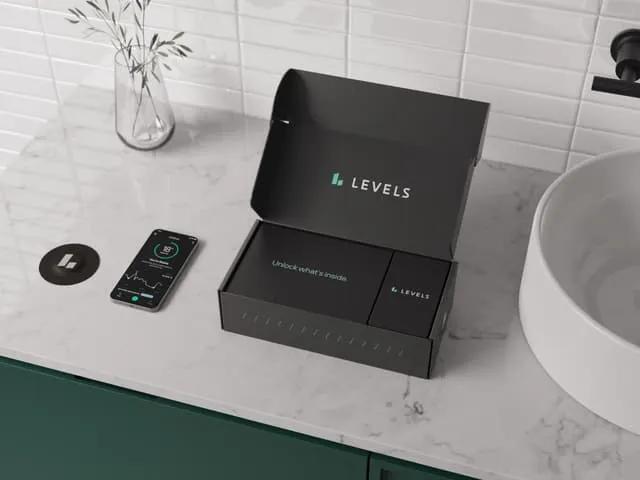
Levels CGM (Continuous Glucose Monitor)
Metabolic dysfunction is one of the most challenging aspects of hypothyroidism — low thyroid function directly impairs glucose metabolism, often leading to insulin resistance, reactive hypoglycemia, and energy crashes that medication alone doesn't fully resolve. A CGM reveals your individual metabolic patterns in real-time, showing which foods spike your glucose and which keep you stable. This is invaluable for thyroid patients trying to optimize their diet for steady energy and weight management. Many thyroid patients discover that foods they thought were healthy are actually causing glucose spikes that trigger cortisol release, further suppressing their thyroid function.
$199/month (2 sensors)
→
Proov
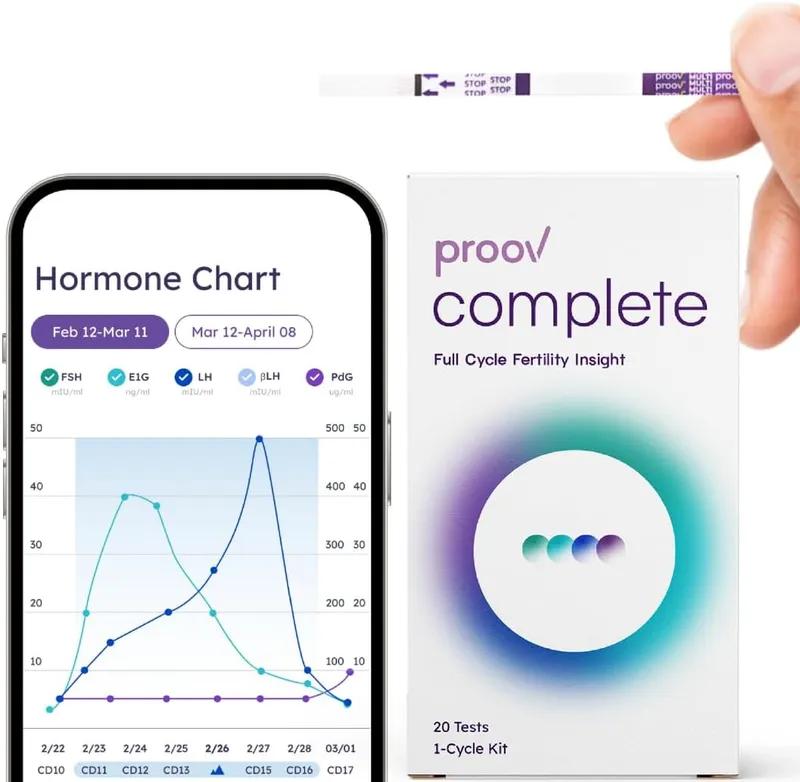
Proov Complete Fertility Test Kit
Thyroid disorders are one of the most common hormonal causes of fertility problems, yet many women don't realize their thyroid is affecting their reproductive health. Hypothyroidism can cause anovulation, luteal phase defects (insufficient progesterone after ovulation), and irregular cycles. This test kit allows thyroid patients trying to conceive to monitor whether their cycles are actually ovulatory and whether progesterone levels are adequate — both of which are directly impacted by thyroid function. Tracking these markers alongside thyroid labs helps women and their doctors optimize both thyroid medication and fertility timing.
$40-$70/cycle
→
Eli Health
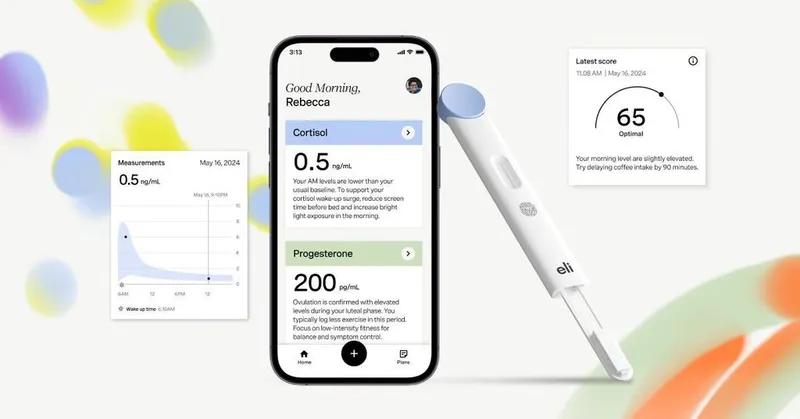
Eli Health Hormometer
Cortisol monitoring is enormously valuable for thyroid patients because the adrenal-thyroid axis plays a central role in how thyroid patients feel day-to-day. Elevated cortisol suppresses TSH and blocks T4-to-T3 conversion, while cortisol depletion (adrenal fatigue) causes crushing fatigue that thyroid medication can't fix. Being able to test cortisol instantly at home — multiple times per day if needed — gives thyroid patients unprecedented insight into their stress response. The progesterone measurement is useful for reproductive-age thyroid patients, as hypothyroidism commonly causes progesterone deficiency. Instant, affordable hormone tracking changes the game for thyroid self-management.
$10/test or $99/8-pack
→
Oura
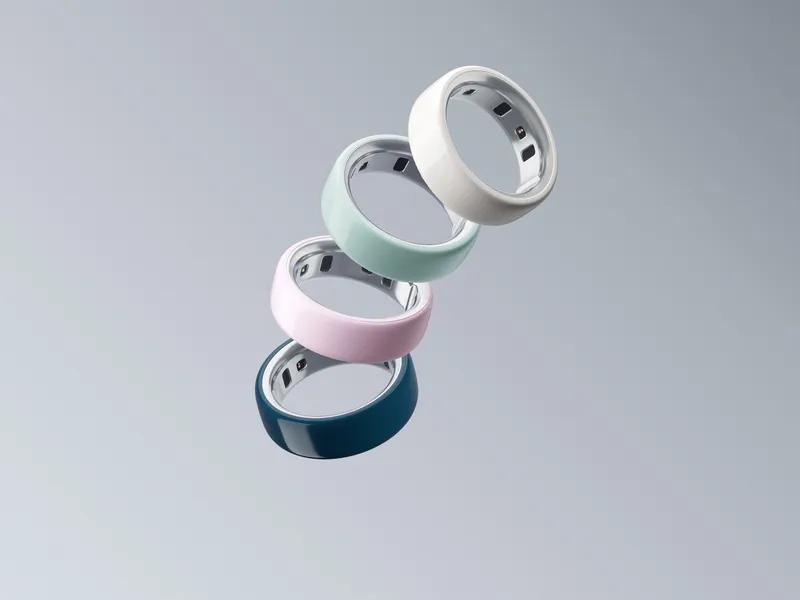
Oura Ring 4
The Oura Ring is invaluable for thyroid patients because it objectively tracks many of the symptoms that fluctuate with thyroid levels. Body temperature trends can reveal when your thyroid is underactive (consistent low temps) or when medication adjustments take effect. HRV is a powerful indicator of autonomic nervous system function — hypothyroidism depresses HRV, so tracking it helps you gauge recovery and stress load. Sleep tracking is critical because disrupted sleep architecture is extremely common in thyroid disease and often overlooked. Many Paloma patients use Oura data alongside their lab work to get a fuller picture of how their thyroid is actually performing day-to-day.
$349 + $5.99/month
→Published Research
- [1]Heart rate variability in hypothyroid patients before and after levothyroxine treatment — Galetta F, Franzoni F, Fallahi P, et al., European Journal of Endocrinology (2008)
- [2]Consumer wearable devices for continuous health monitoring — Dunn J, Runge R, Snyder M, npj Digital Medicine (2023)
- [3]Sleep disturbances in thyroid disease: a systematic review — Green ME, Bernet V, Cheung J, Thyroid (2021)
Cautions
- Data overload risk
- Focus on actionable insights
- Share data with Paloma provider
- Not all tracking is necessary simultaneously