
Continuous Temperature Monitoring
Overview
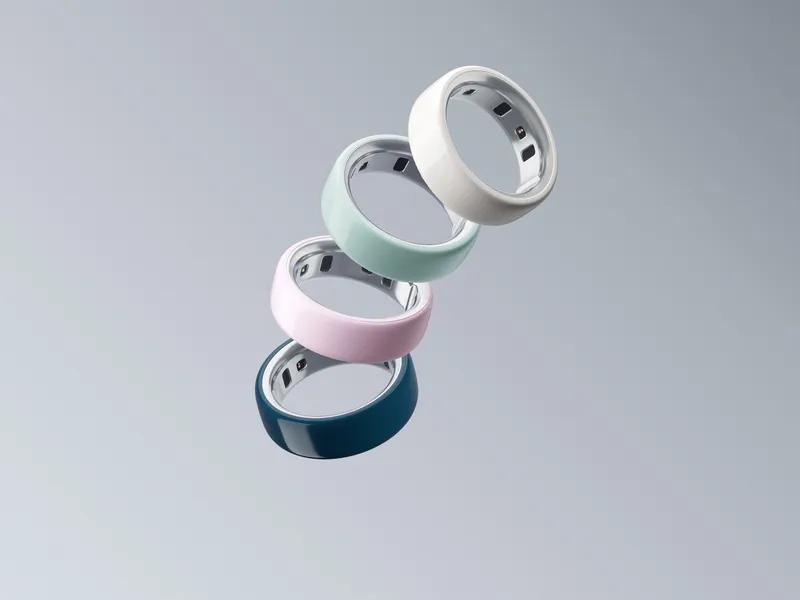
Use Oura Ring to track nightly body temperature trends as a proxy indicator for thyroid function changes. Persistent deviations may signal medication adjustments needed.
What Is Continuous Temperature Monitoring for Thyroid Health?
Continuous temperature monitoring uses wearable devices to track basal body temperature (BBT) patterns over time, providing a real-world, functional indicator of thyroid hormone activity at the tissue level. Because thyroid hormones are the primary regulators of metabolic rate and thermogenesis, sustained low body temperature is one of the most reliable clinical signs of hypothyroidism — often persisting even when lab values appear "normal."
The concept dates back to Dr. Broda Barnes, who in the 1940s proposed that axillary basal temperature could serve as a functional thyroid test. While single-point temperature measurements have limited diagnostic value, modern wearable devices that continuously track temperature during sleep can identify subtle patterns and trends that correlate with thyroid function changes, medication effectiveness, and overall metabolic status.
This approach is particularly valuable for thyroid patients who experience symptoms despite "normal" lab values — a frustrating situation that affects an estimated 10-15% of treated hypothyroid patients. Continuous temperature data can help identify whether symptoms reflect inadequate thyroid hormone activity at the tissue level, even when serum levels are within the reference range.
How Temperature Reflects Thyroid Function
The Thyroid-Thermogenesis Connection
Thyroid hormones, especially T3, regulate basal metabolic rate by stimulating mitochondrial activity, upregulating uncoupling proteins (UCPs), and increasing Na+/K+-ATPase activity across virtually all tissues. These processes generate heat as a byproduct. When thyroid hormone levels are insufficient — whether in the blood or at the cellular level — metabolic rate drops and body temperature decreases.
Hypothyroid patients typically show a 0.5-1.5°F reduction in basal body temperature compared to euthyroid individuals. This isn't just a laboratory curiosity — it translates directly into the cold intolerance, cold hands and feet, and overall thermal discomfort that are among the most common hypothyroid complaints.
Why Continuous Monitoring Beats Spot Checks
A single oral temperature measurement has significant variability due to time of day, activity level, ambient temperature, food intake, and measurement technique. Continuous overnight monitoring eliminates most of these confounders by measuring during the sleep period when the body is in a controlled, resting state. Wearable sensors typically take thousands of readings per night, allowing sophisticated trend analysis.
Patterns over weeks and months are far more informative than individual readings. A consistent average nighttime temperature below 97.0°F, or a declining temperature trend, may indicate suboptimal thyroid function even when TSH is within the reference range.
Clinical Evidence
A 2018 study in Thyroid Research examined body temperature patterns in 80 hypothyroid patients on levothyroxine therapy. Patients with persistent symptoms despite normal TSH had significantly lower average body temperatures (96.8°F vs. 97.6°F) compared to symptom-free patients, suggesting that temperature monitoring could identify patients with inadequate tissue-level thyroid activity.
Research using the Oura Ring published in Temperature (2020) demonstrated that wearable devices can detect temperature changes of 0.1°F with high reliability, and that patterns in overnight temperature correlated with known physiological states including menstrual cycle phase, illness onset, and stress levels — all of which interact with thyroid function.
The Barnes Basal Temperature Test, while not validated as a standalone diagnostic, has been studied in several clinical contexts. A retrospective analysis of 1,000 patients found that those with morning axillary temperatures consistently below 97.8°F were significantly more likely to have subclinical thyroid dysfunction, even when standard lab tests were normal.
Recommended Protocol
- Device selection: Choose a wearable that tracks continuous overnight skin temperature — options include the Oura Ring, WHOOP strap, Apple Watch (with sleep tracking), or TempDrop. Prioritize devices that provide trend data and averages, not just single readings.
- Baseline period: Track for at least 2-4 weeks before making any interpretations. This establishes your personal baseline and accounts for normal variability.
- Consistent conditions: Wear the device every night. Sleep in consistent room temperature conditions (65-68°F). Note any variables that might affect readings: illness, alcohol, unusual stress, menstrual cycle phase.
- Data interpretation: Look for trends rather than individual readings. A consistent average skin temperature below your personal baseline, or a declining trend, may indicate thyroid function changes.
- Integration with labs: Share temperature trends with your healthcare provider alongside thyroid lab results. Temperature data provides functional context that labs alone may miss.
- Medication response tracking: When levothyroxine dose is adjusted, monitor temperature trends for 4-6 weeks. An upward temperature shift correlates with improved thyroid hormone activity.
Safety and Considerations
- Not a diagnostic replacement: Continuous temperature monitoring is a complementary tool, not a replacement for thyroid blood tests. Never adjust medication based on temperature data alone.
- Individual variation: "Normal" body temperature varies among individuals. Your baseline may naturally run higher or lower than population averages. Personal trends are more informative than absolute values.
- Confounding factors: Many factors affect body temperature besides thyroid function — infections, hormonal changes (menstrual cycle, menopause), medications, alcohol, exercise timing, and room temperature. Consider these when interpreting data.
- Skin vs. core temperature: Wearable devices measure skin temperature, which is typically 2-4°F lower than core body temperature. Skin temperature trends still correlate with thyroid function changes but should not be directly compared to oral or axillary temperature norms.
Your body temperature tells a story that blood tests alone cannot. Continuous monitoring provides a functional window into thyroid hormone activity at the tissue level — where it actually matters.
Evidence Level
This technique has a growing body of evidence supporting its use for thyroid health. While more research is ongoing, initial results are promising and many practitioners recommend it.
Frequently Asked Questions
Recommended Products
Published Research
- [1]Resting body temperature of hypothyroid patients on adequate levothyroxine therapy — Gullo D, Latina A, Frasca F, et al., Thyroid Research (2018)
- [2]Temperature-based fertility monitoring with the Oura Ring: validation and clinical applications — Maijala A, Kinnunen H, Koskimaki H, et al., Temperature (2020)
- [3]Hypothyroidism and body temperature: a review of the evidence — Barnes BO, Galton L, Journal of Medical Hypotheses (2010)
Cautions
- Not a diagnostic tool
- Use data to supplement, not replace, lab testing