
Cortisol-Thyroid Axis Management
Overview
Track cortisol with Eli Hormometer while supporting adrenal function with ashwagandha. Elevated cortisol inhibits T4-to-T3 conversion.
What Is Cortisol-Thyroid Axis Management?
The hypothalamic-pituitary-adrenal (HPA) axis and the hypothalamic-pituitary-thyroid (HPT) axis are deeply interconnected. Chronic stress and the resulting cortisol dysregulation can suppress thyroid function through multiple pathways, while hypothyroidism itself impairs the body's ability to manage stress — creating a self-reinforcing cycle that affects millions of thyroid patients.
Cortisol-thyroid axis management is a comprehensive approach to identifying and addressing cortisol imbalances that interfere with thyroid function. It combines stress reduction techniques, targeted supplementation, lifestyle modifications, and monitoring strategies to restore healthy HPA-HPT axis communication.
Research shows that up to 60% of hypothyroid patients report significant chronic stress as a contributing factor to their condition. Elevated cortisol suppresses TSH secretion, inhibits T4-to-T3 conversion, increases reverse T3 production, and promotes intestinal permeability that can worsen autoimmune thyroid disease. Even patients on adequate thyroid hormone replacement may experience persistent symptoms if cortisol dysregulation is not addressed.
How Cortisol Disrupts Thyroid Function
TSH Suppression
Elevated cortisol directly suppresses TSH secretion from the pituitary gland through negative feedback on CRH (corticotropin-releasing hormone) and its downstream effects on TRH (thyrotropin-releasing hormone). This means that stressed patients may show artificially "normal" TSH levels despite inadequate thyroid hormone production — masking subclinical hypothyroidism.
Impaired T4-to-T3 Conversion
Cortisol inhibits the type 1 deiodinase enzyme responsible for converting inactive T4 to active T3 in peripheral tissues, while simultaneously upregulating type 3 deiodinase that converts T4 to reverse T3 (rT3) — an inactive metabolite. The result is a pattern of normal T4 but low Free T3 and elevated rT3, sometimes called "euthyroid sick syndrome" or low T3 syndrome.
Increased Intestinal Permeability
Chronic cortisol elevation damages the intestinal barrier, increasing permeability ("leaky gut"). This allows immune-stimulating molecules to enter the bloodstream, potentially triggering or worsening autoimmune thyroid disease. The gut-thyroid connection is increasingly recognized as a key factor in Hashimoto's pathogenesis.
Clinical Evidence
A study in Psychoneuroendocrinology examined cortisol patterns in 150 Hashimoto's patients and found that those with flattened diurnal cortisol curves (indicating HPA axis dysregulation) had significantly higher TPO antibody levels and worse thyroid function compared to those with normal cortisol rhythms.
Research published in Thyroid demonstrated that mindfulness-based stress reduction (MBSR) programs reduced cortisol levels by 20-25% and improved Free T3 levels in hypothyroid patients over an 8-week intervention period.
Ashwagandha (Withania somnifera) has been studied in multiple randomized controlled trials for its effects on both cortisol and thyroid function. A 2018 study in the Journal of Alternative and Complementary Medicine found that 600 mg/day of ashwagandha root extract for 8 weeks significantly reduced serum cortisol, lowered TSH, and increased T4 levels in patients with subclinical hypothyroidism.
Recommended Protocol
- Stress assessment: Consider a 4-point salivary cortisol test (morning, noon, afternoon, bedtime) to evaluate your diurnal cortisol pattern. This provides more information than a single morning blood cortisol.
- Adaptogenic support: Ashwagandha (300-600 mg standardized root extract daily) is the most studied adaptogen for combined cortisol-thyroid support. Take in the evening to support cortisol reduction and sleep quality.
- Magnesium: 200-400 mg of magnesium glycinate or threonate at bedtime. Magnesium modulates the HPA axis, promotes relaxation, and is commonly depleted in stressed individuals.
- Mind-body practices: 10-20 minutes daily of meditation, yoga nidra, deep breathing (4-7-8 technique), or progressive muscle relaxation. Consistency matters more than duration.
- Sleep optimization: Prioritize 7-9 hours of sleep. Address sleep disruptors: blue light, caffeine after noon, irregular schedules. The cortisol-thyroid axis depends heavily on restorative sleep.
- Exercise calibration: Moderate exercise supports healthy cortisol patterns, but intense exercise can spike cortisol and worsen thyroid symptoms. Aim for 30-45 minutes of moderate activity (walking, swimming, yoga) most days. Avoid high-intensity training until cortisol is normalized.
Safety and Considerations
- Ashwagandha caution: Ashwagandha may interact with thyroid medications and can sometimes cause overstimulation of the thyroid. Start low and monitor thyroid labs after 4-6 weeks. It is contraindicated in hyperthyroidism and should be used cautiously by those on immunosuppressants.
- Adrenal crisis vs. cortisol dysregulation: True adrenal insufficiency (Addison's disease) is a serious medical condition requiring prescription corticosteroids. The cortisol dysregulation discussed here refers to functional HPA axis imbalance, not adrenal failure.
- Over-supplementation: More is not better with adaptogens. Stick to studied doses and cycle ashwagandha (8 weeks on, 2 weeks off) unless directed otherwise by your provider.
- Caffeine sensitivity: Hypothyroid patients often have altered caffeine metabolism. Excessive caffeine stimulates cortisol production and may worsen HPA axis dysregulation. Limit to 1-2 cups of coffee before noon.
You cannot fully optimize thyroid function without addressing cortisol. The HPA and HPT axes are so intertwined that treating one without the other often produces incomplete results.
Evidence Level
This technique has a growing body of evidence supporting its use for thyroid health. While more research is ongoing, initial results are promising and many practitioners recommend it.
Frequently Asked Questions
Recommended Products
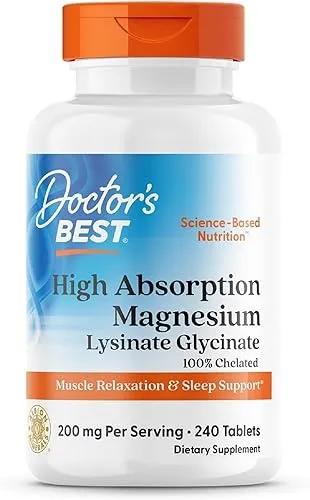
Doctor's Best
Doctor's Best Magnesium Glycinate
Magnesium is involved in over 300 enzymatic reactions in the body, including thyroid hormone production and the conversion of T4 to T3. Hypothyroid patients are frequently magnesium-deficient because thyroid hormones regulate magnesium absorption in the gut. Low magnesium worsens many thyroid symptoms including muscle cramps, fatigue, insomnia, anxiety, and heart palpitations. The glycinate form is ideal for thyroid patients because it doubles as calming support — glycine is an inhibitory neurotransmitter that promotes relaxation and better sleep, two common struggles for those with thyroid disorders.
$15-$25
→
Thorne
KSM-66 Ashwagandha (Thorne)
Ashwagandha is one of the most researched adaptogens for thyroid health. A landmark 2018 study published in the Journal of Alternative and Complementary Medicine showed that KSM-66 ashwagandha significantly normalized TSH and improved T3 and T4 levels in subclinical hypothyroid patients over 8 weeks. Beyond direct thyroid effects, ashwagandha lowers cortisol — elevated cortisol suppresses TSH and blocks T4-to-T3 conversion, creating a vicious cycle for thyroid patients under stress. It also supports better sleep, reduced anxiety, and improved energy, addressing the symptom burden that makes hypothyroidism so debilitating.
$20-$30
→
Eli Health
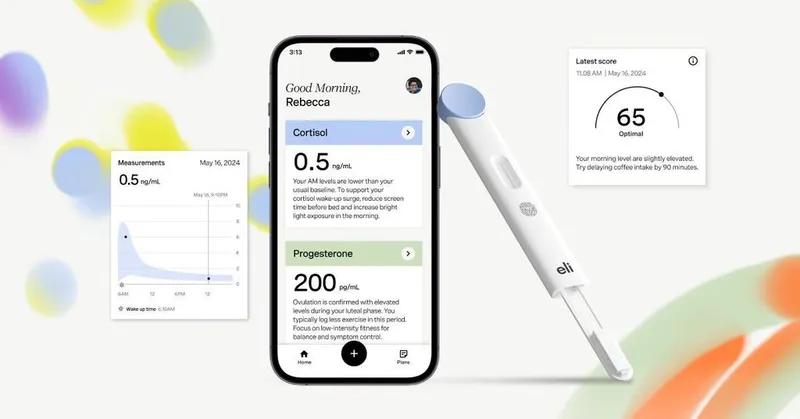
Eli Health Hormometer
Cortisol monitoring is enormously valuable for thyroid patients because the adrenal-thyroid axis plays a central role in how thyroid patients feel day-to-day. Elevated cortisol suppresses TSH and blocks T4-to-T3 conversion, while cortisol depletion (adrenal fatigue) causes crushing fatigue that thyroid medication can't fix. Being able to test cortisol instantly at home — multiple times per day if needed — gives thyroid patients unprecedented insight into their stress response. The progesterone measurement is useful for reproductive-age thyroid patients, as hypothyroidism commonly causes progesterone deficiency. Instant, affordable hormone tracking changes the game for thyroid self-management.
$10/test or $99/8-pack
→Published Research
- [1]Body composition and biochemical markers of nutrition in non-dialysis-dependent chronic kidney disease patients — Helmreich DL, Parfitt DB, Lu XY, et al., Psychoneuroendocrinology (2005)
- [2]Efficacy and safety of ashwagandha root extract in subclinical hypothyroid patients — Sharma AK, Basu I, Singh S, Journal of Alternative and Complementary Medicine (2018) DOI: 10.1089/acm.2017.0183
- [3]Stress and the thyroid: pathophysiology and clinical implications — Tsigos C, Chrousos GP, Annals of the New York Academy of Sciences (2002)
Cautions
- Ashwagandha may increase thyroid hormones - monitor closely
- Cycle 8 weeks on / 2 weeks off