
GLP-1 + Thyroid Comprehensive Protocol
Overview
Complete protocol for thyroid patients on GLP-1s: multivitamin + collagen + probiotics + CGM monitoring + gut testing + frequent thyroid labs + hair support.
What Is the GLP-1 + Thyroid Comprehensive Protocol?
The GLP-1 + Thyroid Comprehensive Protocol builds on the foundational GLP-1 Thyroid Optimization Protocol with an expanded focus on long-term health optimization for thyroid patients using GLP-1 receptor agonists for extended periods. As these medications become long-term or even lifelong treatments for many patients, the intersection with thyroid management requires a more thorough approach addressing nutrition, muscle preservation, bone health, metabolic adaptation, and psychological well-being.
This comprehensive protocol is designed for patients who have been on GLP-1 therapy for more than 3 months and are looking to maximize both weight loss outcomes and thyroid health simultaneously. It addresses the unique challenges that emerge during sustained GLP-1 use, including progressive nutritional deficiencies, metabolic adaptation, lean mass loss, and the need for ongoing thyroid dose optimization as body composition changes.
The protocol integrates findings from the STEP trials (semaglutide), SURMOUNT trials (tirzepatide), and emerging research on the long-term metabolic effects of GLP-1 therapy in patients with co-existing thyroid disease.
Extended Monitoring and Optimization
Comprehensive Lab Panel
Beyond standard thyroid labs, long-term GLP-1 thyroid patients benefit from an expanded monitoring panel. This includes: TSH, Free T4, Free T3, reverse T3, TPO-Ab (every 6 months), complete metabolic panel, CBC with iron studies, vitamin D, B12, folate, magnesium, zinc, selenium, lipid panel, and HbA1c. This comprehensive approach identifies nutritional deficiencies and metabolic changes before they cause symptoms.
Body Composition Tracking
GLP-1-mediated weight loss typically involves both fat mass and lean mass reduction. Studies from the STEP trials show that approximately 30-40% of weight lost is lean tissue (muscle). For thyroid patients, lean mass loss is particularly concerning because muscle tissue is a major site of T4-to-T3 conversion and is the primary driver of basal metabolic rate. Serial body composition assessment (DEXA scan or bioimpedance analysis) helps quantify muscle versus fat loss and guides protein and exercise interventions.
Metabolic Adaptation Management
During sustained caloric restriction and weight loss, the body engages adaptive thermogenesis — a reduction in metabolic rate beyond what would be predicted by changes in body weight and composition. This process involves downregulation of thyroid hormone activity, reduced sympathetic nervous system tone, and decreased mitochondrial efficiency. For hypothyroid patients, adaptive thermogenesis compounds the existing metabolic challenges, potentially stalling weight loss and worsening fatigue.
Nutritional Framework
The reduced appetite from GLP-1 therapy makes deliberate nutritional planning essential:
- Protein priority: Target 1.0-1.2 g/kg ideal body weight daily (higher than standard recommendations). This preserves lean mass and supports thyroid hormone transport proteins. Prioritize protein at every meal — many GLP-1 patients default to carbohydrate-heavy small meals due to appetite changes.
- Micronutrient density: With reduced food volume, every calorie must count. Focus on nutrient-dense whole foods. Supplementation is not optional — it is required for most GLP-1 patients.
- Essential fatty acids: Omega-3 supplementation (2,000 mg EPA+DHA) supports anti-inflammatory pathways and thyroid function. May also help mitigate GLP-1-related GI symptoms.
- Hydration: Reduced eating often means reduced water intake from food. Aim for 64-80 oz of water daily. Dehydration worsens constipation (already a common GLP-1 and hypothyroid symptom).
Muscle Preservation Strategy
Resistance training is non-negotiable for thyroid patients on GLP-1 therapy:
- Frequency: 2-3 resistance training sessions per week, targeting all major muscle groups
- Intensity: Progressive overload — gradually increasing weight or repetitions over time
- Recovery: Adequate rest between sessions (48-72 hours per muscle group). Hypothyroid patients may need longer recovery periods.
- Creatine: 3-5 g daily of creatine monohydrate supports muscle energy, cognitive function, and may enhance exercise performance in thyroid patients
Clinical Evidence
The STEP 1 extension study showed that discontinuation of semaglutide led to regain of approximately two-thirds of lost weight within one year, highlighting the importance of sustainable long-term management strategies rather than treating GLP-1 therapy as a temporary intervention.
A 2024 analysis of thyroid function in SURMOUNT trial participants found that tirzepatide improved insulin sensitivity and reduced inflammatory markers, both of which can positively influence thyroid function. However, the study also noted that participants who lost more than 20% of body weight had more variable thyroid function tests, reinforcing the need for closer monitoring.
Research in the Journal of Cachexia, Sarcopenia and Muscle demonstrated that combining resistance training with high-protein intake during GLP-1 therapy reduced lean mass loss by 50% compared to GLP-1 therapy alone, with corresponding preservation of resting metabolic rate.
Recommended Protocol
- Lab monitoring: Full thyroid panel every 8 weeks during weight loss phase; comprehensive nutritional panel every 3 months
- Body composition: DEXA scan at baseline and every 6 months during active weight loss
- Protein tracking: Log protein intake daily for the first month to establish habits. Aim for 1.0-1.2 g/kg ideal body weight.
- Exercise: Minimum 2-3 resistance training sessions plus 150 minutes moderate cardio per week
- Supplementation: Daily multivitamin, omega-3 (2g), vitamin D (2,000-5,000 IU), selenium (200 mcg), magnesium (400 mg), creatine (5 g)
- Hydration: 64-80 oz water daily, with electrolytes as needed
- Mental health: Regular check-ins regarding mood, body image, and relationship with food — all can shift significantly during rapid weight loss
Safety and Considerations
- Weight loss plateaus: These are normal and expected. Do not increase GLP-1 dose solely to break a plateau — reassess thyroid function, cortisol, sleep, and nutritional status first.
- Gallbladder risk: Rapid weight loss increases gallstone risk. Report any right upper abdominal pain to your provider immediately.
- Mental health: The psychological impact of rapid body composition changes can be significant. Consider counseling or support groups if struggling with body image, identity shifts, or disordered eating patterns.
- Medication interactions: As body composition changes, not just thyroid medication but other medications (blood pressure, diabetes) may need dose adjustments.
Long-term GLP-1 therapy combined with thyroid management requires a proactive, comprehensive approach. The goal is not just weight loss, but metabolic health optimization that sustains both your weight and your thyroid function.
Evidence Level
This technique has preliminary or emerging evidence. While it may be beneficial, consult with your healthcare provider to determine if it is appropriate for your situation.
Frequently Asked Questions
Recommended Products
Thorne
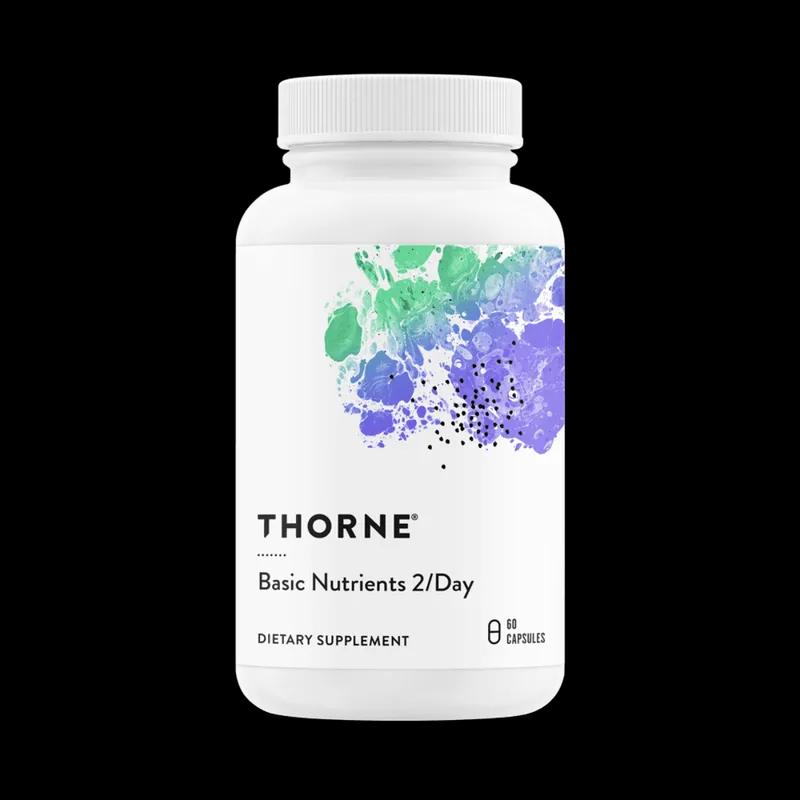
Thorne Basic Nutrients 2/Day
A high-quality multivitamin forms the nutritional foundation for thyroid patients, many of whom have impaired nutrient absorption due to low stomach acid and sluggish gut motility. The methylated B vitamins are essential because B12 deficiency is common in thyroid patients (especially those on metformin or with autoimmune conditions affecting B12 absorption) and contributes to fatigue and neurological symptoms. Chelated minerals ensure the zinc, selenium, and magnesium critical for thyroid function are actually absorbed. For patients on GLP-1 medications who may eat less and have altered nutrient intake, a comprehensive multivitamin helps prevent the nutritional gaps that compound thyroid dysfunction.
$25-$35
→
Vital Proteins
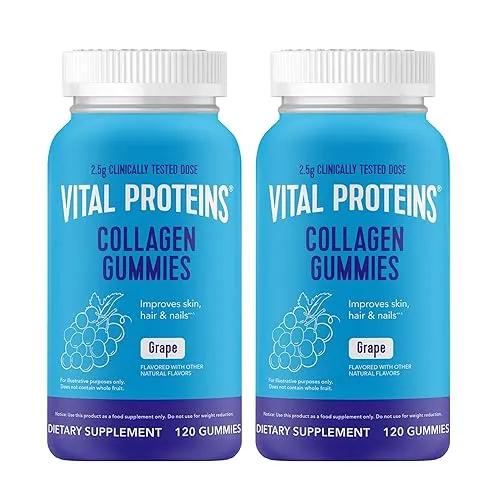
Vital Proteins Collagen Peptides
Hypothyroidism slows the body's collagen production and cellular turnover, contributing to dry skin, thinning hair, brittle nails, and joint stiffness — among the most common and frustrating symptoms patients experience. Supplementing with hydrolyzed collagen peptides provides the building blocks (glycine, proline, hydroxyproline) needed to support these tissues when your metabolism isn't producing them efficiently. Collagen also supports gut lining integrity, relevant for thyroid patients with leaky gut and Hashimoto's. The 20g protein per serving helps meet protein needs for patients whose appetite or digestion is compromised, and the neutral flavor makes it easy to add to morning coffee or smoothies.
$25-$45
→
Designs for Health
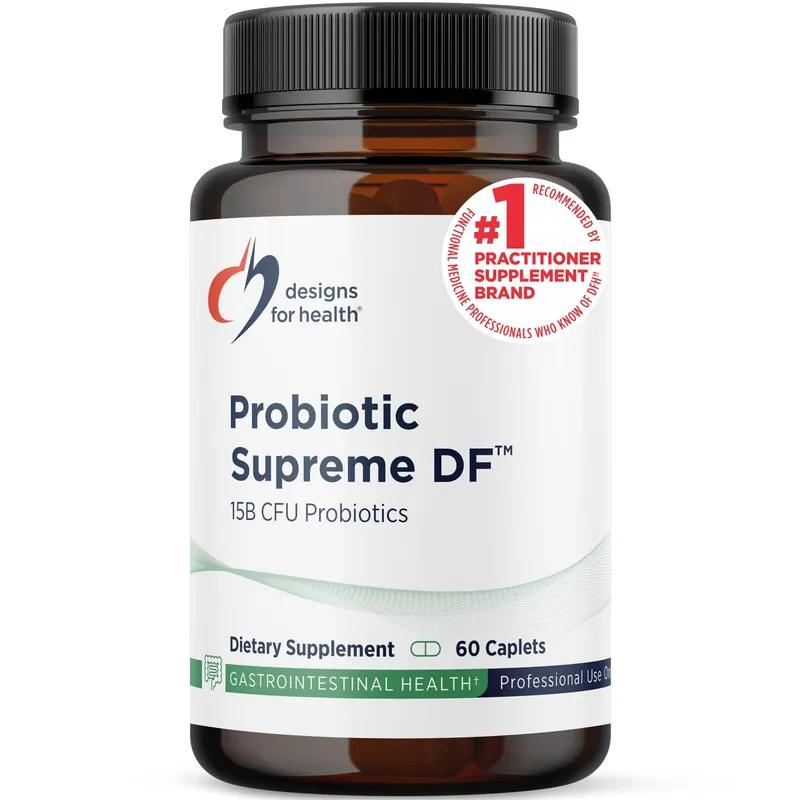
Designs for Health Probiotic Supreme DF
Gut health is foundational to thyroid function, and probiotic supplementation can address several pathways relevant to thyroid patients. About 20% of T4-to-T3 conversion depends on healthy gut bacteria, and dysbiosis can impair this critical conversion step. Probiotics support intestinal barrier integrity, reducing the leaky gut that triggers and perpetuates Hashimoto's autoimmunity. They also help modulate the immune system toward regulatory balance rather than autoimmune attack. For patients on GLP-1 medications, probiotics help maintain healthy digestion through the gastrointestinal changes these medications can cause. The dairy-free formulation is important since many thyroid patients benefit from reducing dairy.
$30-$40
→
Tiny Health
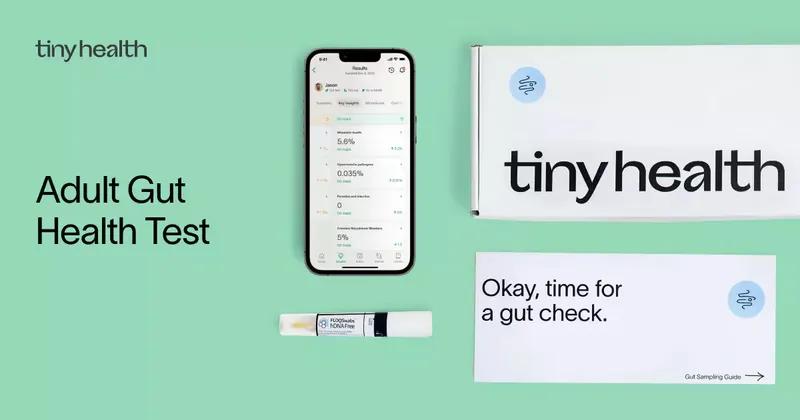
Tiny Health Adult Gut Test
The gut-thyroid connection is well-established: roughly 20% of T4-to-T3 conversion occurs in the gut, and intestinal dysbiosis can trigger and perpetuate Hashimoto's autoimmunity through molecular mimicry and increased intestinal permeability. A comprehensive gut test helps thyroid patients identify specific imbalances — like low Akkermansia (linked to inflammation), high Candida, or missing beneficial species — that may be undermining their thyroid function and medication absorption. Many thyroid patients discover actionable findings that explain persistent symptoms despite normal labs. Tiny Health's shotgun sequencing provides the depth needed to uncover these connections.
$199
→
Nutrafol
Nutrafol Women's Hair Growth Supplement
Hair loss is one of the most emotionally distressing symptoms of hypothyroidism and Hashimoto's, and it often persists even when TSH levels normalize on medication. Nutrafol addresses this by targeting the multi-factorial nature of thyroid-related hair loss. The Sensoril ashwagandha component lowers cortisol (elevated in stressed thyroid patients), while the anti-inflammatory botanicals like curcumin address the inflammation that damages hair follicles. The marine collagen supports hair structure, and biotin fills nutritional gaps common in thyroid patients. This comprehensive approach is why dermatologists specifically recommend it for thyroid-related hair thinning.
$79-$88/month
→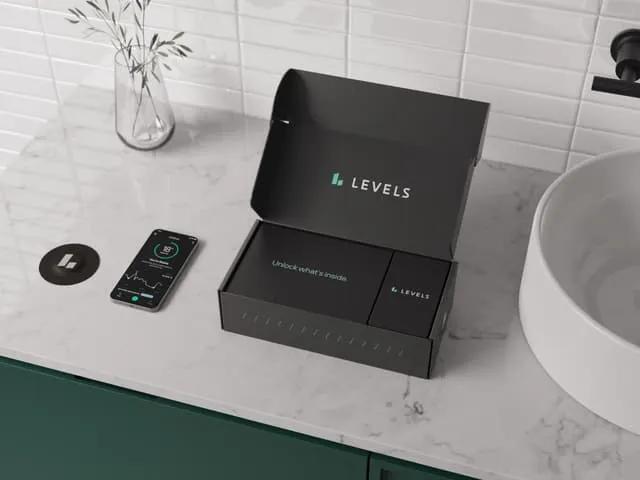
Levels Health
Levels CGM (Continuous Glucose Monitor)
Metabolic dysfunction is one of the most challenging aspects of hypothyroidism — low thyroid function directly impairs glucose metabolism, often leading to insulin resistance, reactive hypoglycemia, and energy crashes that medication alone doesn't fully resolve. A CGM reveals your individual metabolic patterns in real-time, showing which foods spike your glucose and which keep you stable. This is invaluable for thyroid patients trying to optimize their diet for steady energy and weight management. Many thyroid patients discover that foods they thought were healthy are actually causing glucose spikes that trigger cortisol release, further suppressing their thyroid function.
$199/month (2 sensors)
→ Paloma Pick
Paloma Health
Paloma Complete At-Home Thyroid Test Kit
Most standard thyroid screenings only measure TSH, which can miss subclinical thyroid issues and doesn't reveal whether your body is properly converting T4 to the active T3 hormone. This kit tests all four critical markers, giving you and your doctor a complete picture of thyroid function. The inclusion of TPO antibodies is especially valuable because it can detect Hashimoto's autoimmunity years before TSH becomes abnormal. For thyroid patients already on medication, tracking Free T3 and Free T4 helps ensure your dose is truly optimized, not just "in range."
$75 (members) - $119 (non-members)
→Published Research
- [1]Once-weekly semaglutide in adults with overweight or obesity (STEP 1) — Wilding JPH, Batterham RL, Calanna S, et al., New England Journal of Medicine (2021)
- [2]Tirzepatide once weekly for the treatment of obesity (SURMOUNT-1) — Jastreboff AM, Aronne LJ, Ahmad NN, et al., New England Journal of Medicine (2022)
- [3]Resistance training preserves lean mass during GLP-1 receptor agonist therapy — Lundgren JR, Janus C, Jensen SBK, et al., Journal of Cachexia, Sarcopenia and Muscle (2024)
Cautions
- GLP-1 may affect thyroid med absorption
- Weight loss may lower TSH
- Monitor closely
- Protein intake critical