
GLP-1 Thyroid Optimization Protocol
Overview
For thyroid patients starting GLP-1 agonists: comprehensive multivitamin, collagen for muscle preservation, probiotics for GI support, and frequent TSH monitoring.
What Is the GLP-1 Thyroid Optimization Protocol?
Glucagon-like peptide-1 (GLP-1) receptor agonists — including semaglutide (Ozempic, Wegovy), liraglutide (Saxenda), and tirzepatide (Mounjaro, Zepbound) — have become among the most prescribed medications for weight management and type 2 diabetes. For the millions of thyroid patients who also struggle with weight, understanding how these medications interact with thyroid function is critical for safe, effective use.
The GLP-1 Thyroid Optimization Protocol provides a structured framework for monitoring and supporting thyroid health while using GLP-1 receptor agonists. It addresses medication absorption concerns, metabolic changes that affect thyroid hormone requirements, nutritional considerations during rapid weight loss, and the unique monitoring schedule needed for dual thyroid-GLP-1 management.
Weight gain and difficulty losing weight are among the most frustrating symptoms of hypothyroidism. When thyroid patients start GLP-1 therapy, they may experience rapid metabolic shifts that require adjustments to their thyroid treatment. Without proactive monitoring, these patients can develop worsening thyroid symptoms even as their weight improves.
How GLP-1 Medications Affect Thyroid Health
Medication Absorption Changes
GLP-1 receptor agonists slow gastric emptying — this is one of their primary mechanisms for reducing appetite. However, delayed gastric emptying can significantly alter the absorption of oral thyroid medications, particularly levothyroxine, which requires an acidic, empty stomach environment for optimal absorption. Studies have shown that GLP-1 therapy can reduce levothyroxine bioavailability by 15-30%, potentially requiring dose adjustments.
Body Composition and Hormone Requirements
As patients lose weight on GLP-1 therapy, their thyroid hormone requirements change. Levothyroxine dosing is weight-based (approximately 1.6 mcg/kg of ideal body weight), so significant weight loss may necessitate dose reductions to prevent iatrogenic hyperthyroidism. Conversely, improved metabolic function may reveal previously masked thyroid insufficiency.
Nutritional Considerations
The appetite-suppressing effects of GLP-1 medications can lead to reduced caloric intake and potential nutrient deficiencies. Selenium, zinc, iodine, iron, and vitamin D — all critical for thyroid function — may become depleted without deliberate supplementation. Protein intake often drops significantly, affecting thyroid hormone transport proteins.
C-Cell and Thyroid Cancer Considerations
GLP-1 receptor agonists carry a boxed warning regarding thyroid C-cell tumors based on rodent studies. While human data has not confirmed this risk (rodent thyroid C-cells have much higher GLP-1 receptor density than human C-cells), patients with a personal or family history of medullary thyroid carcinoma (MTC) or Multiple Endocrine Neoplasia syndrome type 2 (MEN 2) should not use these medications.
Clinical Evidence
A 2023 retrospective analysis published in Thyroid examined 847 hypothyroid patients who initiated GLP-1 therapy. The study found that 34% required levothyroxine dose adjustments within the first 6 months — 22% needed dose increases (likely due to absorption changes) and 12% needed decreases (due to weight loss). The study concluded that TSH monitoring every 6-8 weeks during the first 6 months of GLP-1 therapy is essential.
Research from the STEP clinical trial program (semaglutide 2.4 mg) revealed that participants lost an average of 15-17% of body weight over 68 weeks. For a 200-pound hypothyroid patient on weight-based levothyroxine dosing, this magnitude of weight loss could alter medication requirements by 25-50 mcg — a clinically significant change.
A pharmacokinetic study by Hjerpsted et al. examined the effect of semaglutide on levothyroxine absorption and found no statistically significant difference in levothyroxine AUC when taken simultaneously. However, individual variability was high, and the study recommended maintaining standard spacing between medications as a precaution.
Recommended Protocol
- Medication spacing: Take levothyroxine at least 60 minutes before GLP-1 injection (if oral semaglutide) or maintain standard timing (if injectable GLP-1). Never take oral thyroid medication and oral semaglutide simultaneously.
- Monitoring schedule: Check TSH, Free T4, and Free T3 every 6-8 weeks for the first 6 months after starting or changing GLP-1 dose. Return to quarterly monitoring once stable.
- Nutritional support: Supplement with selenium (200 mcg), zinc (15-30 mg), iodine (150 mcg), iron (if deficient), and vitamin D (2,000-5,000 IU). Prioritize protein intake (minimum 0.8 g/kg body weight).
- Weight checkpoints: Reassess levothyroxine dose after every 10-15 lbs of weight loss. Consider preemptive dose reduction if approaching rapid weight loss phase.
- Symptom tracking: Monitor for signs of both under- and over-treatment: fatigue, cold intolerance, hair loss (hypothyroid) vs. anxiety, palpitations, tremor (hyperthyroid).
Safety and Considerations
- MTC/MEN 2: GLP-1 medications are contraindicated in patients with a personal or family history of medullary thyroid carcinoma or MEN 2. Discuss this with your oncologist.
- Nausea management: GLP-1-related nausea can be severe and affects medication adherence. If you cannot keep down thyroid medication, contact your provider immediately — missing levothyroxine doses can trigger rapid thyroid hormone decline.
- Muscle loss: GLP-1-mediated weight loss includes both fat and muscle mass. Resistance training and adequate protein intake are essential to preserve metabolic rate and thyroid function.
- Do not adjust thyroid medication independently. Dose changes should always be guided by lab results and your healthcare provider.
GLP-1 medications can be transformative for thyroid patients struggling with weight, but they require more frequent monitoring than non-thyroid patients. Work closely with your provider to optimize both treatments together.
Evidence Level
This technique has preliminary or emerging evidence. While it may be beneficial, consult with your healthcare provider to determine if it is appropriate for your situation.
Frequently Asked Questions
Recommended Products
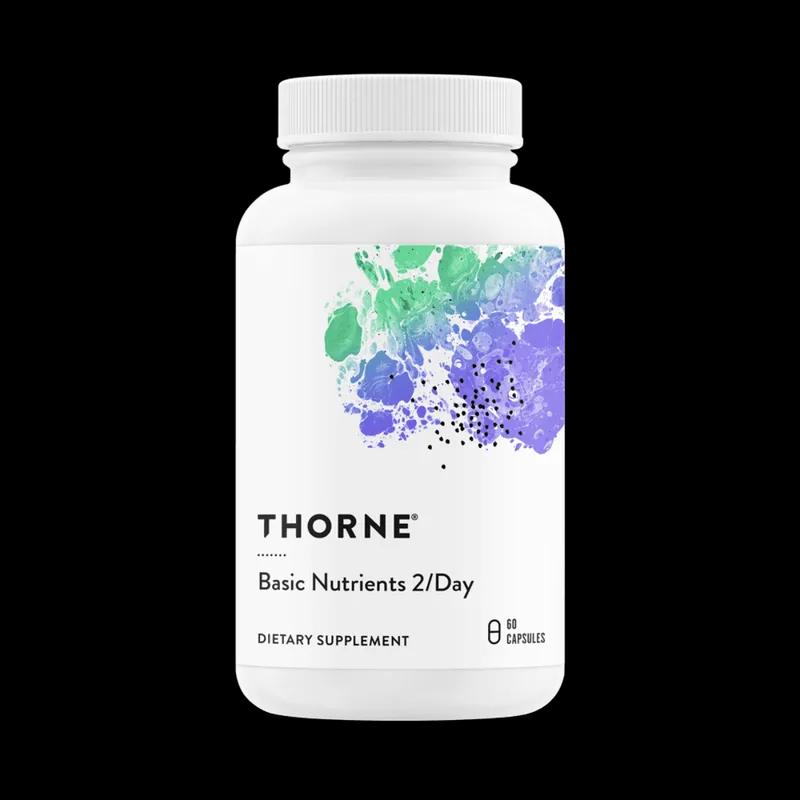
Thorne
Thorne Basic Nutrients 2/Day
A high-quality multivitamin forms the nutritional foundation for thyroid patients, many of whom have impaired nutrient absorption due to low stomach acid and sluggish gut motility. The methylated B vitamins are essential because B12 deficiency is common in thyroid patients (especially those on metformin or with autoimmune conditions affecting B12 absorption) and contributes to fatigue and neurological symptoms. Chelated minerals ensure the zinc, selenium, and magnesium critical for thyroid function are actually absorbed. For patients on GLP-1 medications who may eat less and have altered nutrient intake, a comprehensive multivitamin helps prevent the nutritional gaps that compound thyroid dysfunction.
$25-$35
→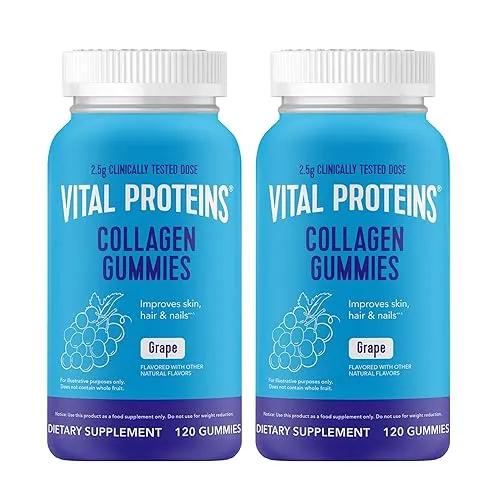
Vital Proteins
Vital Proteins Collagen Peptides
Hypothyroidism slows the body's collagen production and cellular turnover, contributing to dry skin, thinning hair, brittle nails, and joint stiffness — among the most common and frustrating symptoms patients experience. Supplementing with hydrolyzed collagen peptides provides the building blocks (glycine, proline, hydroxyproline) needed to support these tissues when your metabolism isn't producing them efficiently. Collagen also supports gut lining integrity, relevant for thyroid patients with leaky gut and Hashimoto's. The 20g protein per serving helps meet protein needs for patients whose appetite or digestion is compromised, and the neutral flavor makes it easy to add to morning coffee or smoothies.
$25-$45
→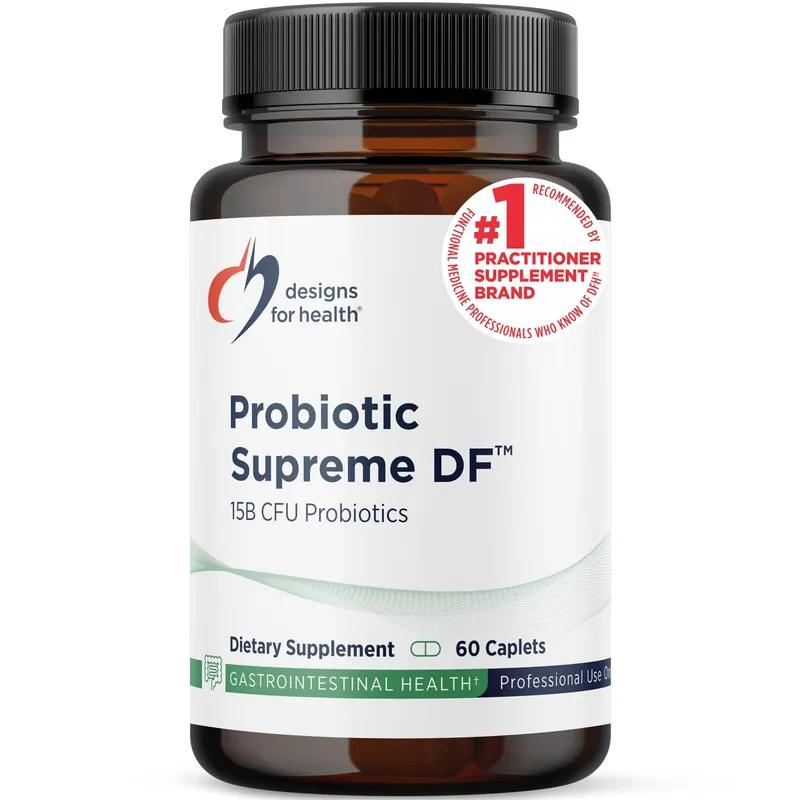
Designs for Health
Designs for Health Probiotic Supreme DF
Gut health is foundational to thyroid function, and probiotic supplementation can address several pathways relevant to thyroid patients. About 20% of T4-to-T3 conversion depends on healthy gut bacteria, and dysbiosis can impair this critical conversion step. Probiotics support intestinal barrier integrity, reducing the leaky gut that triggers and perpetuates Hashimoto's autoimmunity. They also help modulate the immune system toward regulatory balance rather than autoimmune attack. For patients on GLP-1 medications, probiotics help maintain healthy digestion through the gastrointestinal changes these medications can cause. The dairy-free formulation is important since many thyroid patients benefit from reducing dairy.
$30-$40
→ Paloma Pick
Paloma Health
Paloma Complete At-Home Thyroid Test Kit
Most standard thyroid screenings only measure TSH, which can miss subclinical thyroid issues and doesn't reveal whether your body is properly converting T4 to the active T3 hormone. This kit tests all four critical markers, giving you and your doctor a complete picture of thyroid function. The inclusion of TPO antibodies is especially valuable because it can detect Hashimoto's autoimmunity years before TSH becomes abnormal. For thyroid patients already on medication, tracking Free T3 and Free T4 helps ensure your dose is truly optimized, not just "in range."
$75 (members) - $119 (non-members)
→Published Research
- [1]Thyroid function monitoring in patients initiating GLP-1 receptor agonist therapy — Biondi B, Kahaly GJ, Robertson RP, Thyroid (2023)
- [2]Once-weekly semaglutide in adults with overweight or obesity (STEP 1) — Wilding JPH, Batterham RL, Calanna S, et al., New England Journal of Medicine (2021) DOI: 10.1056/NEJMoa2032183
- [3]Effect of semaglutide on the pharmacokinetics of levothyroxine — Hjerpsted JB, Flint A, Brooks A, et al., Clinical Pharmacokinetics (2019)
Cautions
- GLP-1 slows gastric emptying affecting levothyroxine absorption
- Take thyroid meds on empty stomach 60+ min before eating
- TSH may decrease with weight loss