
Gut-Thyroid Healing Protocol
Overview
Test microbiome with Tiny Health, identify dysbiosis/SIBO, repair gut lining with L-Glutamine + probiotics, reduce inflammation with omega-3s, and retest after 3-6 months.
What Is the Gut-Thyroid Healing Protocol?
The gut-thyroid connection is one of the most important and rapidly evolving areas in thyroid health research. An estimated 70-80% of the immune system resides in the gut-associated lymphoid tissue (GALT), making intestinal health a primary determinant of autoimmune disease activity. For Hashimoto's thyroiditis patients, optimizing gut health can reduce autoimmune flares, improve thyroid medication absorption, and address root causes of immune dysregulation.
The Gut-Thyroid Healing Protocol is a systematic approach that addresses intestinal permeability ("leaky gut"), microbiome imbalance (dysbiosis), food sensitivities, and digestive insufficiencies that collectively contribute to autoimmune thyroid disease. It follows a phased approach: Remove triggers, Replace deficiencies, Reinoculate with beneficial bacteria, and Repair the intestinal barrier.
Research has established that patients with Hashimoto's thyroiditis have significantly different gut microbiome compositions compared to healthy controls, with reduced microbial diversity, lower levels of beneficial Bifidobacterium and Lactobacillus species, and higher levels of potentially pathogenic bacteria. These changes precede thyroid dysfunction in some cases, suggesting a causal role rather than merely a consequence of disease.
How Gut Health Affects Thyroid Function
Intestinal Permeability and Molecular Mimicry
Increased intestinal permeability allows partially digested food proteins, bacterial components (lipopolysaccharides), and other antigens to cross the gut barrier into the bloodstream. Some of these foreign proteins share structural similarity with thyroid tissue — a phenomenon called molecular mimicry. The immune system, attacking these foreign invaders, may cross-react with thyroid tissue, driving autoimmune thyroid destruction.
Microbiome and T3 Conversion
Approximately 20% of T4-to-T3 conversion occurs in the gut through bacterial sulfatase enzymes. A healthy gut microbiome is therefore directly involved in maintaining adequate active thyroid hormone levels. Dysbiosis can impair this conversion pathway, contributing to low T3 symptoms even with adequate T4 supplementation.
Nutrient Absorption
The gut is the gateway for absorbing thyroid-essential nutrients including selenium, zinc, iron, iodine, and vitamin D. Gut inflammation impairs absorption of these nutrients, creating deficiencies that further impair thyroid function. Additionally, levothyroxine is primarily absorbed in the small intestine, and gut dysfunction can reduce medication bioavailability by 20-50%.
Clinical Evidence
Researchers from Italy published a landmark study in the Journal of Clinical Endocrinology & Metabolism showing that Hashimoto's patients had significantly altered gut microbiome profiles, with reduced microbial diversity and specific bacterial signatures predicting higher TPO antibody levels. Probiotic supplementation partially normalized these patterns.
A 2020 randomized controlled trial found that a multi-strain probiotic (Lactobacillus and Bifidobacterium species) taken for 8 weeks by Hashimoto's patients reduced TPO antibodies by 18% and improved levothyroxine absorption, allowing dose reductions in some patients.
A systematic review in the European Journal of Endocrinology examined the relationship between celiac disease and autoimmune thyroid disease, finding that 2-5% of Hashimoto's patients have coexisting celiac disease (compared to 1% in the general population), and that a gluten-free diet in celiac-positive patients reduced thyroid antibodies significantly.
Research on Small Intestinal Bacterial Overgrowth (SIBO) found that the condition is present in up to 54% of hypothyroid patients on levothyroxine, and that SIBO treatment improved both GI symptoms and levothyroxine absorption.
Recommended Protocol
Phase 1: Remove (Weeks 1-4)
- Identify and eliminate food sensitivities. Consider a 30-day elimination of gluten, dairy, soy, and processed sugar. Screen for celiac disease if not previously tested.
- Address gut infections or overgrowths: test for SIBO, H. pylori, or yeast overgrowth if symptoms suggest (bloating, gas, constipation/diarrhea).
- Reduce alcohol, NSAIDs, and unnecessary antibiotics that damage the gut lining.
Phase 2: Replace (Weeks 2-8)
- Digestive enzymes with meals if bloating or incomplete digestion is present.
- Betaine HCl if low stomach acid is suspected (common in hypothyroidism). Start with 650 mg before protein-containing meals.
- Ensure adequate fiber intake (25-35 g/day) to support healthy bowel motility and microbiome diversity.
Phase 3: Reinoculate (Weeks 4-12)
- Multi-strain probiotic containing Lactobacillus and Bifidobacterium species (minimum 20 billion CFU daily).
- Prebiotic foods: garlic, onion, asparagus, Jerusalem artichoke, chicory root.
- Fermented foods: sauerkraut, kimchi, kefir, kombucha (if tolerated).
Phase 4: Repair (Ongoing)
- L-glutamine: 5 g daily to support intestinal barrier integrity.
- Zinc carnosine: 75 mg twice daily for 8 weeks to promote mucosal healing.
- Omega-3 fatty acids: 2,000 mg EPA+DHA daily for anti-inflammatory support.
- Bone broth or collagen peptides: provide glycine and proline for gut lining repair.
Safety and Considerations
- Gluten elimination: If you want to test for celiac disease, do so BEFORE starting a gluten-free diet — gluten must be present for accurate antibody testing. However, non-celiac gluten sensitivity can still benefit from gluten elimination regardless of celiac testing.
- Die-off reactions: When addressing gut infections or dysbiosis, initial worsening of symptoms (Herxheimer reaction) can occur in the first 1-2 weeks. This is usually transient.
- Probiotics and immunosuppression: If you are on immunosuppressive medications, consult your provider before starting probiotics, as rare cases of bacteremia have been reported in immunocompromised individuals.
- Medication timing: Gut healing supplements (especially L-glutamine and fiber) should be taken at least 1-2 hours away from thyroid medication to prevent absorption interference.
The gut is the front line of immune regulation. For most Hashimoto's patients, lasting improvement in thyroid health requires addressing the gut-immune connection alongside thyroid hormone optimization.
Evidence Level
This technique is supported by strong clinical evidence from multiple well-designed studies. It is widely recommended by healthcare professionals for thyroid health support.
Frequently Asked Questions
Recommended Products
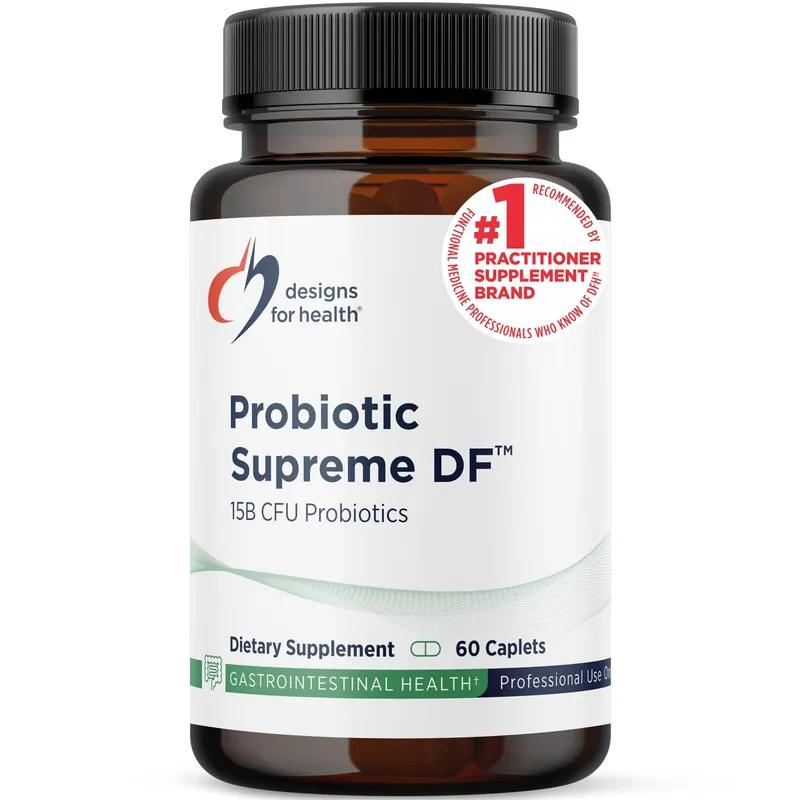
Designs for Health
Designs for Health Probiotic Supreme DF
Gut health is foundational to thyroid function, and probiotic supplementation can address several pathways relevant to thyroid patients. About 20% of T4-to-T3 conversion depends on healthy gut bacteria, and dysbiosis can impair this critical conversion step. Probiotics support intestinal barrier integrity, reducing the leaky gut that triggers and perpetuates Hashimoto's autoimmunity. They also help modulate the immune system toward regulatory balance rather than autoimmune attack. For patients on GLP-1 medications, probiotics help maintain healthy digestion through the gastrointestinal changes these medications can cause. The dairy-free formulation is important since many thyroid patients benefit from reducing dairy.
$30-$40
→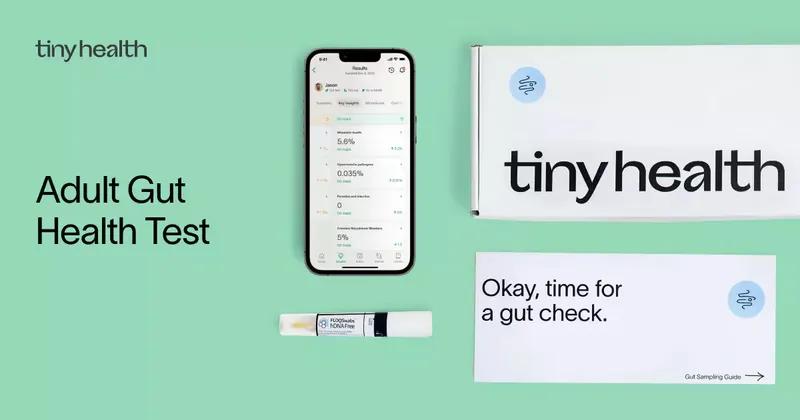
Tiny Health
Tiny Health Adult Gut Test
The gut-thyroid connection is well-established: roughly 20% of T4-to-T3 conversion occurs in the gut, and intestinal dysbiosis can trigger and perpetuate Hashimoto's autoimmunity through molecular mimicry and increased intestinal permeability. A comprehensive gut test helps thyroid patients identify specific imbalances — like low Akkermansia (linked to inflammation), high Candida, or missing beneficial species — that may be undermining their thyroid function and medication absorption. Many thyroid patients discover actionable findings that explain persistent symptoms despite normal labs. Tiny Health's shotgun sequencing provides the depth needed to uncover these connections.
$199
→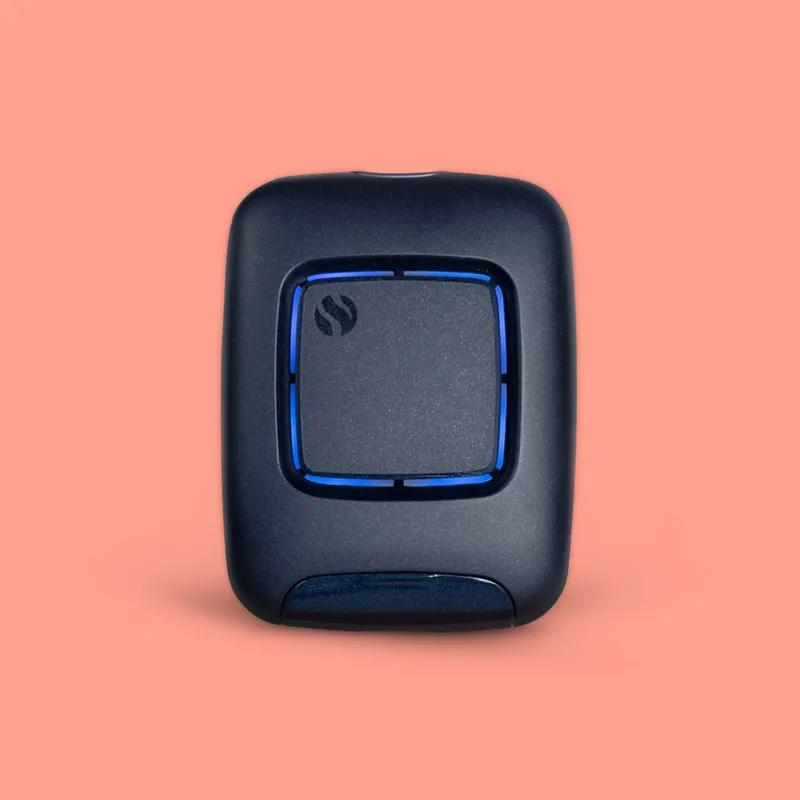
FoodMarble
FoodMarble AIRE 2 Breath Tester
Digestive issues affect the majority of hypothyroid patients — low stomach acid, slow motility, SIBO, and food sensitivities are all common. The AIRE 2 helps thyroid patients identify exactly which foods are causing bloating, gas, and discomfort, rather than relying on guesswork or overly restrictive elimination diets. The methane measurement is particularly valuable because methane-dominant SIBO (which causes constipation, a hallmark thyroid symptom) is often missed by standard hydrogen-only breath tests. For thyroid patients trying to optimize gut health to improve nutrient absorption and reduce autoimmune triggers, this device provides objective, personalized data.
$249 (device) + $49 (food intolerance kit)
→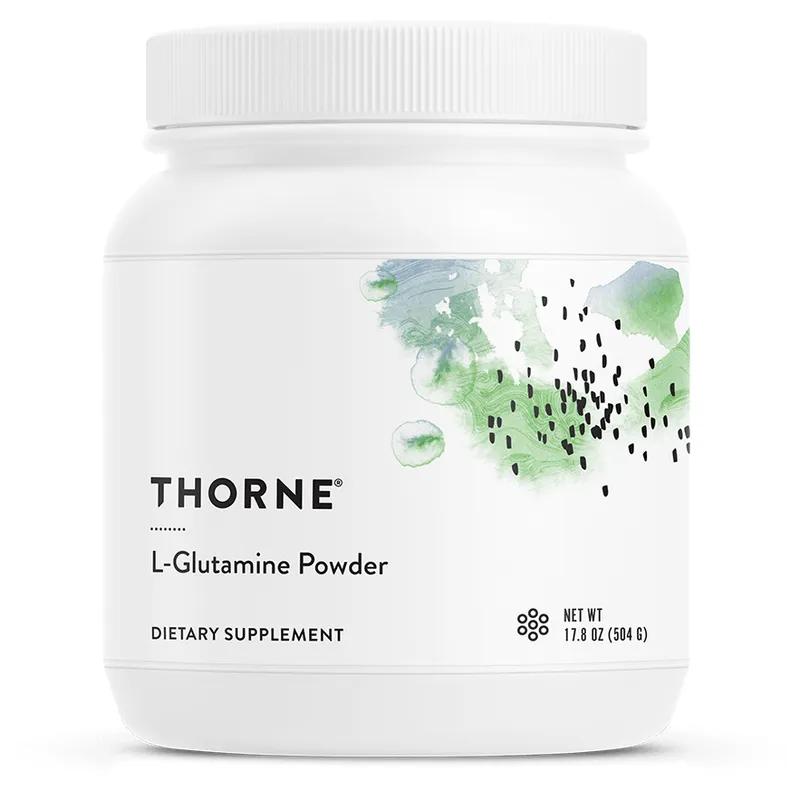
Thorne
L-Glutamine Powder (Thorne)
Leaky gut (increased intestinal permeability) is strongly associated with Hashimoto's and other autoimmune thyroid conditions. When the gut barrier breaks down, food particles and bacterial endotoxins enter the bloodstream and trigger immune responses that can cross-react with thyroid tissue. L-glutamine is the most well-studied nutrient for repairing and maintaining the gut lining. For thyroid patients working on gut healing protocols — which many integrative practitioners consider foundational to managing autoimmune thyroid disease — L-glutamine is often the first supplement recommended.
$25-$35
→
Nordic Naturals
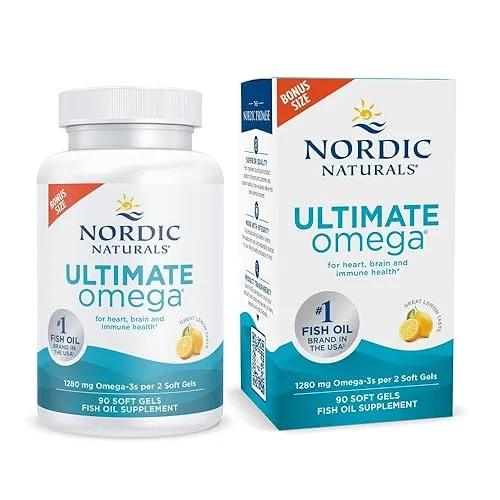
Nordic Naturals Ultimate Omega
Omega-3 fatty acids are powerful anti-inflammatory compounds, and inflammation is a central driver of Hashimoto's thyroid disease and hypothyroid symptoms. EPA and DHA help modulate the overactive immune response that attacks the thyroid gland in autoimmune thyroiditis. Research shows omega-3 supplementation can reduce inflammatory markers (CRP, IL-6) that are often elevated in thyroid patients. Beyond immune modulation, omega-3s support brain function and mood — important because hypothyroidism commonly causes brain fog and depression. The triglyceride form used by Nordic Naturals is 70% more absorbable than the cheaper ethyl ester form found in most fish oils.
$30-$45
→Published Research
- [1]Gut microbiota and Hashimoto's thyroiditis — Zhao F, Feng J, Li J, et al., Reviews in Endocrine and Metabolic Disorders (2018)
- [2]The role of the microbiome in thyroid hormone metabolism and iodine bioavailability — Knezevic J, Starchl C, Tmava Berisha A, Amrein K, International Journal of Molecular Sciences (2020)
- [3]Small intestinal bacterial overgrowth in patients taking levothyroxine — Virili C, Bassotti G, Santaguida MG, et al., Journal of Clinical Endocrinology & Metabolism (2018)
- [4]Celiac disease and autoimmune thyroid disease — Roy A, Laszkowska M, Sundstrom J, et al., European Journal of Endocrinology (2016)
Cautions
- Work with practitioner
- Do not self-treat SIBO without diagnosis
- Some protocols require prescription antimicrobials