
Perimenopause Thyroid Tracking
Overview
Use Proov Empower for hormone tracking + Paloma test kit for thyroid panel + Oura Ring for body temperature/sleep to differentiate thyroid vs. perimenopause symptoms.
What Is Perimenopause Thyroid Tracking?
Perimenopause — the transition period leading to menopause — typically begins in a woman's mid-40s and can last 4-10 years. During this time, dramatic fluctuations in estrogen, progesterone, and other reproductive hormones create a constantly shifting hormonal landscape that directly impacts thyroid function. For the estimated 1 in 8 women with thyroid disease, perimenopause can cause significant symptom overlap, diagnostic confusion, and the need for frequent medication adjustments.
The Perimenopause Thyroid Tracking protocol provides a structured approach to monitoring thyroid function during this transitional period, helping distinguish between perimenopausal symptoms and thyroid dysfunction, identifying when medication adjustments are needed, and optimizing overall hormonal balance for quality of life.
Many perimenopausal symptoms — fatigue, weight gain, mood changes, brain fog, hair thinning, irregular periods, sleep disruption, and temperature sensitivity — mirror hypothyroid symptoms almost exactly. Without systematic tracking, it's nearly impossible to determine which hormone system is driving symptoms, leading to either unnecessary medication changes or missed thyroid deterioration.
How Perimenopause Affects Thyroid Function
Estrogen-TBG Connection
Estrogen stimulates the liver to produce thyroid binding globulin (TBG), the primary transport protein for thyroid hormones in the blood. During perimenopause, estrogen levels fluctuate wildly — sometimes higher than reproductive-age levels, sometimes very low — causing corresponding fluctuations in TBG. High estrogen phases increase TBG, which binds more thyroid hormone and can temporarily reduce free (active) T4 and T3, triggering TSH elevation. Low estrogen phases do the opposite.
These fluctuations can cause TSH to swing by 1-3 mIU/L within a single menstrual cycle, making single-point-in-time testing unreliable for dosing decisions. Understanding this dynamic is essential for accurate thyroid management during perimenopause.
Immune System Shifts
Estrogen has complex effects on immune function. During perimenopause, the loss of estrogen's immunomodulatory effects can trigger flares of autoimmune thyroid disease. Many women experience their first Hashimoto's diagnosis during perimenopause, or see previously stable autoimmune thyroid disease worsen. TPO and thyroglobulin antibodies may increase during this transition.
Cortisol and Adrenal Interaction
The stress of hormonal transition often elevates cortisol levels, which can suppress TSH, impair T4-to-T3 conversion, and increase reverse T3 production. This creates a pattern of "functional hypothyroidism" where lab values may appear normal but tissue-level thyroid hormone activity is reduced.
Clinical Evidence
A large population-based study from the Netherlands (Lifetime Risk Study, 2019) found that the incidence of thyroid dysfunction increases significantly during the perimenopausal years, with hypothyroidism risk peaking in women aged 45-55. The study identified estrogen decline as a key contributing factor.
Research published in the Journal of Clinical Endocrinology & Metabolism demonstrated that TBG levels can vary by up to 40% across the menstrual cycle during perimenopause, creating corresponding variability in total T4 measurements. The authors recommended using Free T4 and Free T3 measurements rather than total hormone levels for perimenopausal patients.
A 2021 retrospective analysis of 1,200 perimenopausal women on levothyroxine found that 43% required at least one dose adjustment during perimenopause, with the majority needing increases during the late perimenopausal/early postmenopausal phase when estrogen levels drop and TBG decreases.
Recommended Protocol
- Testing frequency: Check full thyroid panel (TSH, Free T4, Free T3, TPO-Ab) every 8-12 weeks during active perimenopause, rather than the standard every 6-12 months
- Full panel requirement: Always include Free T3 and Free T4 — TSH alone is unreliable during hormonal flux. Consider adding reverse T3 if symptoms are present despite "normal" TSH and Free T4
- Timing consistency: Test at the same time of day (morning, fasting) and at the same point in your menstrual cycle if still cycling, for comparable results
- Symptom diary: Track daily energy, mood, sleep quality, body temperature, and menstrual patterns alongside lab results to identify correlations
- Hormone co-testing: When checking thyroid labs, add estradiol and FSH to understand where you are in the perimenopausal transition and how sex hormones are influencing thyroid values
- Medication review: If starting or changing hormone replacement therapy (HRT), recheck thyroid labs 6-8 weeks afterward — oral estrogen increases TBG and may require levothyroxine dose increases
Safety and Considerations
- Symptom overlap: Do not assume all symptoms are thyroid-related. Hot flashes, night sweats, and vaginal dryness are rarely caused by thyroid dysfunction and are more likely perimenopausal.
- HRT interaction: Oral estrogen (but not transdermal) increases TBG and can raise levothyroxine requirements by 20-40%. Transdermal estrogen patches or gels have minimal effect on TBG.
- Avoid frequent dose changes: Because thyroid labs fluctuate during perimenopause, avoid changing levothyroxine based on a single abnormal result. Confirm with a retest 4-6 weeks later before adjusting.
- Bone health: Both hypothyroidism treatment and menopause affect bone density. Ensure adequate calcium, vitamin D, and weight-bearing exercise. Monitor bone density if on thyroid medication.
Perimenopause creates a moving target for thyroid management. More frequent monitoring and a full thyroid panel — not just TSH — are essential for maintaining optimal health during this transition.
Evidence Level
This technique has preliminary or emerging evidence. While it may be beneficial, consult with your healthcare provider to determine if it is appropriate for your situation.
Frequently Asked Questions
Recommended Products
 Paloma Pick
Paloma Health
Paloma Complete At-Home Thyroid Test Kit
Most standard thyroid screenings only measure TSH, which can miss subclinical thyroid issues and doesn't reveal whether your body is properly converting T4 to the active T3 hormone. This kit tests all four critical markers, giving you and your doctor a complete picture of thyroid function. The inclusion of TPO antibodies is especially valuable because it can detect Hashimoto's autoimmunity years before TSH becomes abnormal. For thyroid patients already on medication, tracking Free T3 and Free T4 helps ensure your dose is truly optimized, not just "in range."
$75 (members) - $119 (non-members)
→
Proov
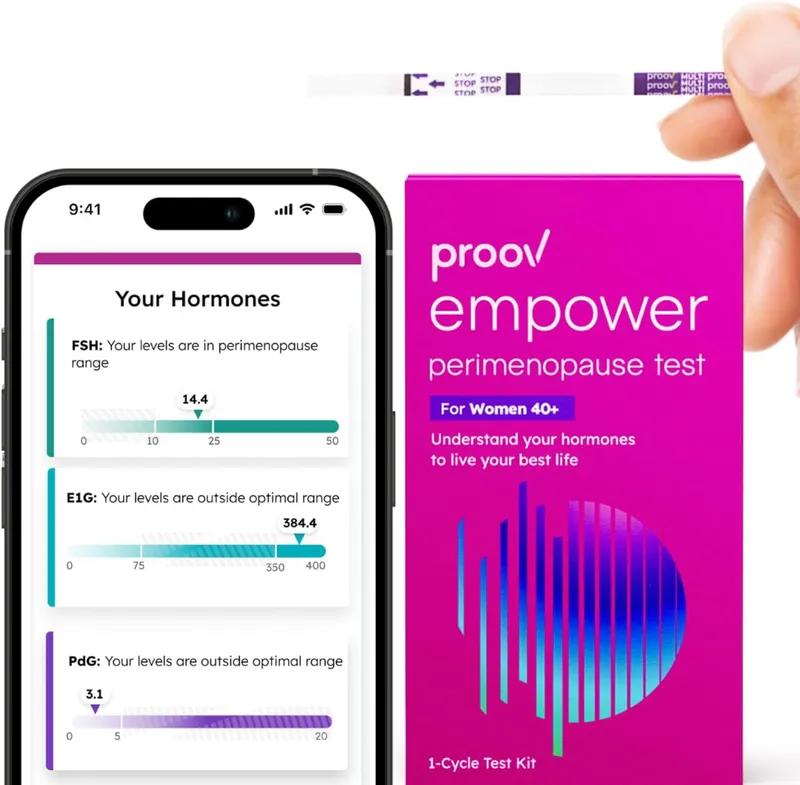
Proov Empower Hormone Tracker (Perimenopause)
Perimenopause and thyroid disease share many overlapping symptoms — fatigue, weight changes, mood swings, irregular periods, sleep disruption — making it difficult to know which condition is driving your symptoms. This tracker helps thyroid patients in their late 30s and 40s distinguish between thyroid-related hormonal disruption and true perimenopausal changes. This distinction is clinically important because the treatment strategies differ significantly. Tracking hormone patterns over time, alongside thyroid labs, gives both patients and practitioners a much clearer picture of what's happening and how to respond.
$50-$80/cycle
→
Eli Health
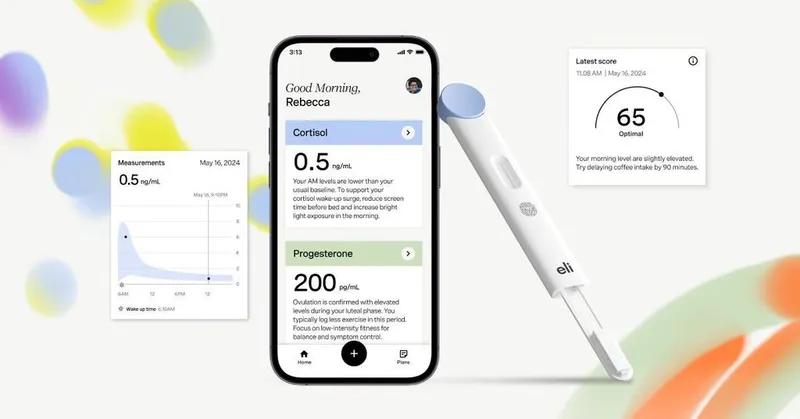
Eli Health Hormometer
Cortisol monitoring is enormously valuable for thyroid patients because the adrenal-thyroid axis plays a central role in how thyroid patients feel day-to-day. Elevated cortisol suppresses TSH and blocks T4-to-T3 conversion, while cortisol depletion (adrenal fatigue) causes crushing fatigue that thyroid medication can't fix. Being able to test cortisol instantly at home — multiple times per day if needed — gives thyroid patients unprecedented insight into their stress response. The progesterone measurement is useful for reproductive-age thyroid patients, as hypothyroidism commonly causes progesterone deficiency. Instant, affordable hormone tracking changes the game for thyroid self-management.
$10/test or $99/8-pack
→
Oura
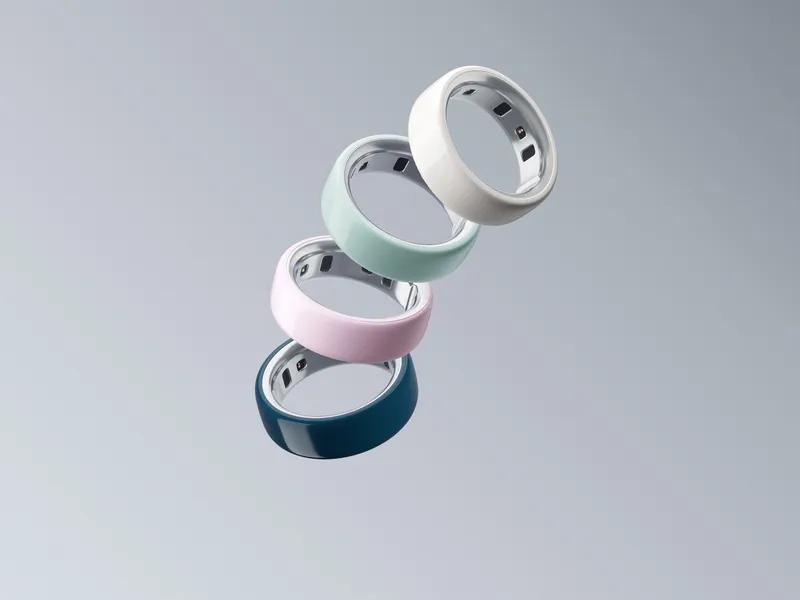
Oura Ring 4
The Oura Ring is invaluable for thyroid patients because it objectively tracks many of the symptoms that fluctuate with thyroid levels. Body temperature trends can reveal when your thyroid is underactive (consistent low temps) or when medication adjustments take effect. HRV is a powerful indicator of autonomic nervous system function — hypothyroidism depresses HRV, so tracking it helps you gauge recovery and stress load. Sleep tracking is critical because disrupted sleep architecture is extremely common in thyroid disease and often overlooked. Many Paloma patients use Oura data alongside their lab work to get a fuller picture of how their thyroid is actually performing day-to-day.
$349 + $5.99/month
→Published Research
- [1]Thyroid function and the risk of atherosclerotic cardiovascular disease in women at menopause — Bano A, Chaker L, Mattace-Raso FUS, et al., Journal of Clinical Endocrinology & Metabolism (2019)
- [2]Estrogen effects on thyroid function and TBG during the menopausal transition — Arafah BM, Journal of Clinical Endocrinology & Metabolism (2001) DOI: 10.1210/jcem.86.8.7787
- [3]Effects of menopause on autoimmune thyroid disease — Weetman AP, Thyroid (2013)
Cautions
- Symptoms overlap significantly - tracking data helps providers make better treatment decisions