
Pre-Conception Thyroid Protocol
Overview
Optimize TSH <2.5, start prenatal + CoQ10 + myo-inositol 3-6 months before TTC. Track ovulation with Proov. Test thyroid every 4-6 weeks once pregnant.
What Is the Pre-Conception Thyroid Protocol?
The pre-conception thyroid protocol is a structured plan for optimizing thyroid function before pregnancy. Thyroid hormones are essential for fetal brain development, particularly during the first trimester when the baby relies entirely on the mother's thyroid hormones. Uncontrolled hypothyroidism during early pregnancy is associated with increased risk of miscarriage, preterm birth, preeclampsia, low birth weight, and impaired neurodevelopmental outcomes.
The American Thyroid Association (ATA) recommends that women with known thyroid disease achieve a TSH below 2.5 mIU/L before conception. Ideally, thyroid optimization should begin 3-6 months before actively trying to conceive, allowing time for medication adjustments and nutrient repletion.
This protocol is relevant for women with Hashimoto's thyroiditis, hypothyroidism on levothyroxine, subclinical hypothyroidism, thyroid antibody positivity without overt disease, and those with a family history of thyroid disease. Even women with "normal" thyroid function who have elevated TPO antibodies face increased miscarriage risk and should be monitored closely.
How Thyroid Function Affects Fertility and Pregnancy
Fertility Impact
Even mildly elevated TSH (above 2.5 mIU/L) can impair fertility by disrupting ovulation, shortening the luteal phase, reducing endometrial receptivity, and altering progesterone production. Studies show that women with subclinical hypothyroidism take significantly longer to conceive and have lower success rates with assisted reproduction.
First Trimester Critical Window
The fetal thyroid gland does not begin functioning until approximately 12-14 weeks of gestation. Before that, the fetus depends entirely on maternal thyroid hormones for brain development. During this same period, maternal thyroid hormone requirements increase by 30-50% due to rising estrogen (which increases TBG), expanded blood volume, and placental deiodinase activity. Women who enter pregnancy with borderline thyroid function often cannot meet this increased demand.
Autoimmune Considerations
Women with thyroid antibodies (TPO-Ab or Tg-Ab) face a 2-4x increased risk of miscarriage, even when TSH is normal. This is likely due to both the direct effects of immune dysregulation on implantation and the reduced thyroid reserve that limits the gland's ability to ramp up production during early pregnancy.
Clinical Evidence
The landmark TABLET trial (2019), published in the New England Journal of Medicine, examined levothyroxine treatment in euthyroid women with thyroid antibodies undergoing fertility treatment. While the trial did not show a significant difference in live birth rates, subgroup analysis suggested benefits in women with TSH above 2.5 mIU/L, and the study reinforced the importance of pre-conception TSH optimization.
A 2017 meta-analysis in the Journal of Clinical Endocrinology & Metabolism analyzed 18 studies and found that levothyroxine treatment for subclinical hypothyroidism before or during early pregnancy significantly reduced miscarriage rates (RR 0.62) and preterm delivery.
The ATA's 2017 Guidelines for the Diagnosis and Management of Thyroid Disease During Pregnancy recommend trimester-specific TSH reference ranges: below 2.5 mIU/L in the first trimester, below 3.0 mIU/L in the second and third trimesters.
Recommended Protocol
- Timeline: Begin optimization 3-6 months before attempting conception
- Target TSH: Below 2.5 mIU/L, ideally 0.5-2.0 mIU/L
- Full panel testing: TSH, Free T4, Free T3, TPO-Ab, Tg-Ab. Repeat every 4-6 weeks until target is achieved
- Medication adjustment: If TSH is above 2.5, work with your provider to increase levothyroxine. Have a plan for immediate dose increase (typically 25-30% more) upon positive pregnancy test
- Key nutrients: Prenatal vitamin with iodine (150-250 mcg), selenium (60-100 mcg in prenatal, or supplement to 200 mcg), iron (check ferritin — target above 40 ng/mL), folate (at least 800 mcg as methylfolate), vitamin D (target 40-60 ng/mL)
- Pregnancy plan: Arrange for TSH testing within 1-2 weeks of a positive pregnancy test. Increase levothyroxine dose per your provider's standing instructions. Schedule repeat testing every 4 weeks through the first trimester.
Safety and Considerations
- Do not self-adjust medication: Work with your endocrinologist or thyroid specialist to create a pregnancy medication plan. Many providers give patients a standing instruction to increase dose by 2 extra tablets per week upon positive pregnancy test.
- Iodine balance: Both iodine deficiency and excess can harm thyroid function. The WHO recommends 250 mcg/day during pregnancy. Do not exceed 500 mcg/day from all sources.
- Selenium in pregnancy: 200 mcg/day of selenium has been shown to reduce the risk of postpartum thyroiditis in TPO-positive women. Continue through pregnancy and postpartum.
- Antibody monitoring: Thyroid antibodies naturally decrease during pregnancy due to immune suppression but often flare postpartum. Plan for close monitoring during the postpartum period.
Thyroid optimization before pregnancy is one of the most impactful steps you can take for both fertility and your baby's neurodevelopment. Start the conversation with your provider at least 3 months before trying to conceive.
Evidence Level
This technique is supported by strong clinical evidence from multiple well-designed studies. It is widely recommended by healthcare professionals for thyroid health support.
Frequently Asked Questions
Recommended Products
Theralogix
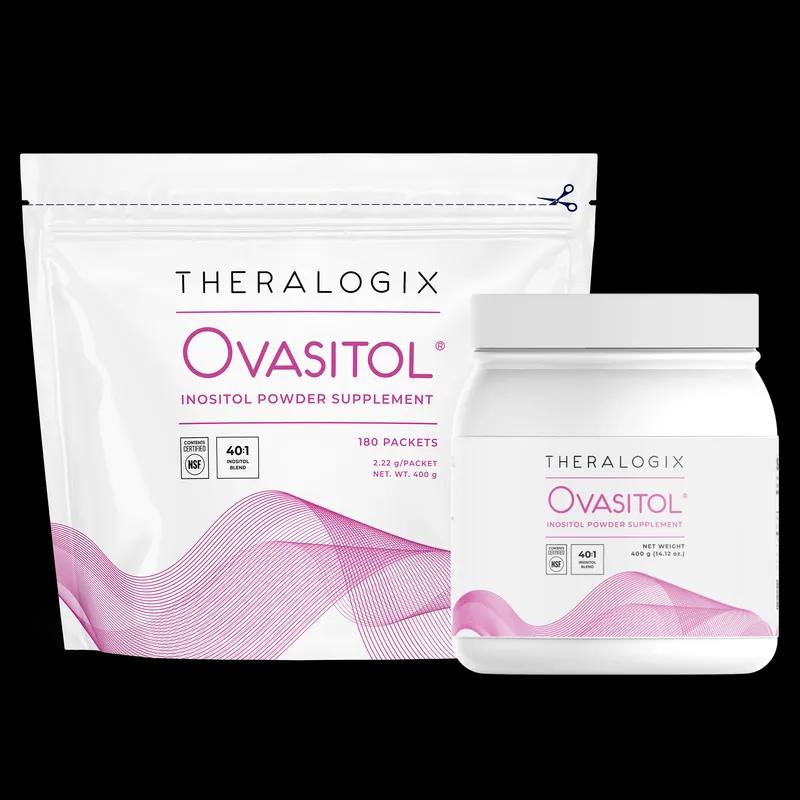
Ovasitol by Theralogix (Myo-Inositol + D-Chiro)
Insulin resistance is present in a significant percentage of hypothyroid patients, and it creates a vicious cycle: poor thyroid function promotes insulin resistance, while insulin resistance impairs thyroid hormone conversion and increases inflammation. The 40:1 myo-inositol to D-chiro-inositol ratio has been clinically shown to improve insulin signaling, which directly supports T4-to-T3 conversion and reduces the metabolic dysfunction that makes hypothyroidism symptoms worse. For thyroid patients with PCOS (a common comorbidity) or those struggling with weight gain despite medication, Ovasitol addresses a root cause that thyroid medication alone cannot fix.
$45-$55/month
→
Jarrow Formulas
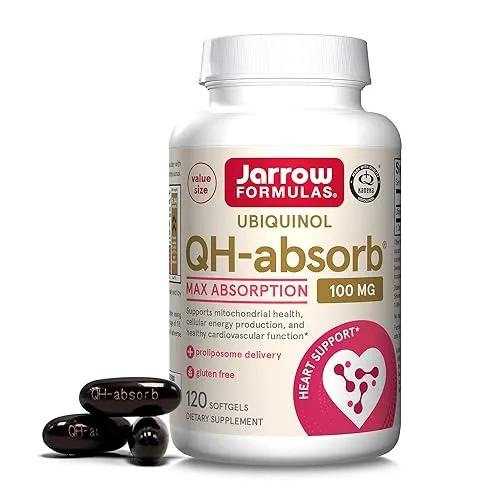
Jarrow Formulas QH-Absorb CoQ10 (Ubiquinol)
CoQ10 is essential for mitochondrial energy production, and hypothyroid patients often have depleted CoQ10 levels due to reduced metabolic activity. Low CoQ10 contributes to the crushing fatigue that thyroid medication doesn't fully resolve. Research shows CoQ10 supplementation can improve cellular energy production and reduce the oxidative stress that damages the thyroid gland in Hashimoto's. The ubiquinol form is preferred for thyroid patients because hypothyroidism impairs the enzymatic conversion of ubiquinone to ubiquinol. For patients on statins (which deplete CoQ10) or those over 40, supplementation becomes even more important.
$30-$45
→
Ritual
Ritual Essential Prenatal Multivitamin
Choosing the right prenatal is especially critical for thyroid patients because pregnancy dramatically increases thyroid hormone demands — the thyroid must produce 50% more hormones to support fetal development. This prenatal provides methylated folate, which is essential because many Hashimoto's patients have MTHFR mutations that impair folic acid metabolism. The chelated iron form is gentle on the stomach (important since iron must be taken separately from thyroid medication). The inclusion of vitamin D3 and iodine supports the increased thyroid demands of pregnancy, while choline supports fetal brain development — a nutrient often missing from standard prenatals.
$35-$40/month
→ Paloma Pick
Paloma Health
Paloma Complete At-Home Thyroid Test Kit
Most standard thyroid screenings only measure TSH, which can miss subclinical thyroid issues and doesn't reveal whether your body is properly converting T4 to the active T3 hormone. This kit tests all four critical markers, giving you and your doctor a complete picture of thyroid function. The inclusion of TPO antibodies is especially valuable because it can detect Hashimoto's autoimmunity years before TSH becomes abnormal. For thyroid patients already on medication, tracking Free T3 and Free T4 helps ensure your dose is truly optimized, not just "in range."
$75 (members) - $119 (non-members)
→
Proov
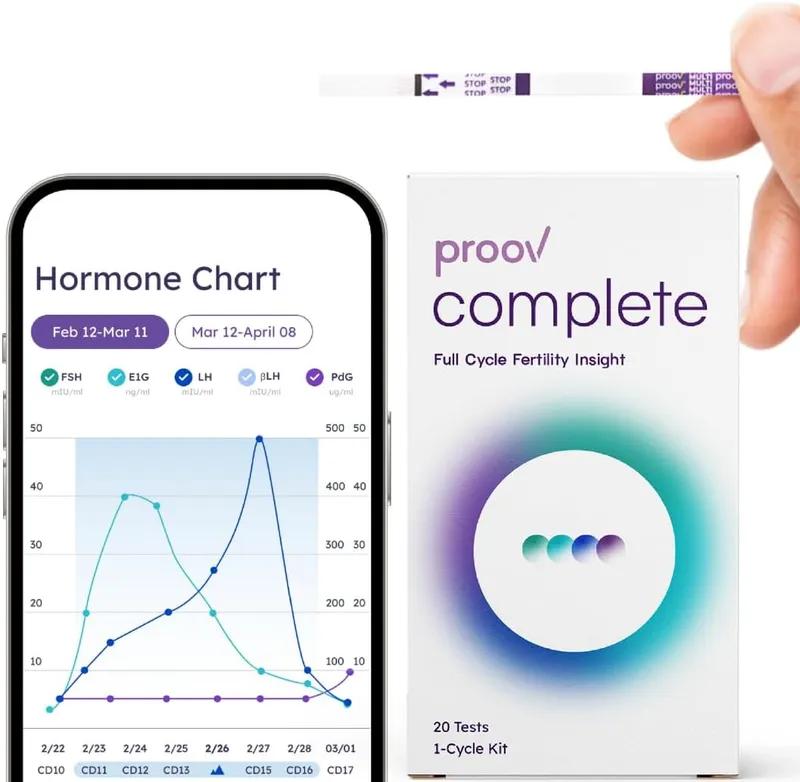
Proov Complete Fertility Test Kit
Thyroid disorders are one of the most common hormonal causes of fertility problems, yet many women don't realize their thyroid is affecting their reproductive health. Hypothyroidism can cause anovulation, luteal phase defects (insufficient progesterone after ovulation), and irregular cycles. This test kit allows thyroid patients trying to conceive to monitor whether their cycles are actually ovulatory and whether progesterone levels are adequate — both of which are directly impacted by thyroid function. Tracking these markers alongside thyroid labs helps women and their doctors optimize both thyroid medication and fertility timing.
$40-$70/cycle
→Published Research
- [1]2017 Guidelines of the American Thyroid Association for the Diagnosis and Management of Thyroid Disease During Pregnancy — Alexander EK, Pearce EN, Brent GA, et al., Thyroid (2017) DOI: 10.1089/thy.2016.0457
- [2]Levothyroxine in women with thyroid peroxidase antibodies before conception (TABLET) — Dhillon-Smith RK, Middleton LJ, Sunner KK, et al., New England Journal of Medicine (2019) DOI: 10.1056/NEJMoa1812537
- [3]Subclinical hypothyroidism and pregnancy outcomes: a systematic review and meta-analysis — Maraka S, Ospina NMS, O'Keeffe DT, et al., Journal of Clinical Endocrinology & Metabolism (2017)
Cautions
- Thyroid meds typically increase 30-50% in pregnancy
- Avoid ashwagandha once pregnant
- Iron in prenatal must be spaced from levothyroxine