
Red Light Therapy for Thyroid
Overview
Apply red/NIR light (630-850nm) directly to thyroid/neck area to support tissue regeneration, reduce inflammation, and improve cellular function.
What Is Red Light Therapy for Thyroid Health?
Red light therapy, also known as photobiomodulation (PBM) or low-level laser therapy (LLLT), is a non-invasive treatment that uses specific wavelengths of red and near-infrared light to stimulate cellular function. When applied to the thyroid gland, these wavelengths penetrate the skin and interact with mitochondria in thyroid cells, potentially improving gland function and reducing autoimmune inflammation.
The therapy typically uses wavelengths between 630-670 nm (red) and 810-850 nm (near-infrared). These wavelengths have been shown to penetrate tissue to a depth of 2-5 cm, reaching the thyroid gland which sits just below the skin surface in the anterior neck. The photons are absorbed by cytochrome c oxidase in the mitochondrial electron transport chain, enhancing ATP production and cellular metabolism.
For individuals with Hashimoto's thyroiditis — the most common cause of hypothyroidism — red light therapy offers a complementary approach that may help reduce the autoimmune attack on thyroid tissue while simultaneously supporting the remaining healthy cells to function more efficiently.
How Red Light Therapy Works on the Thyroid
The mechanism of action involves several interconnected pathways that collectively support thyroid health:
Mitochondrial Stimulation
When red and near-infrared photons are absorbed by cytochrome c oxidase (Complex IV of the electron transport chain), they dissociate nitric oxide from the enzyme's binding site. This releases the "brake" on cellular respiration, allowing the mitochondria to produce ATP more efficiently. For thyroid cells, this increased energy availability translates directly into enhanced hormone synthesis and secretion.
Anti-Inflammatory Effects
Red light therapy has been demonstrated to reduce pro-inflammatory cytokines including TNF-alpha, IL-6, and IL-1beta while simultaneously increasing anti-inflammatory mediators such as IL-10. In Hashimoto's thyroiditis, where chronic inflammation drives thyroid destruction, this shift in the cytokine balance may help slow disease progression and preserve functional thyroid tissue.
Improved Blood Flow
The therapy stimulates the release of nitric oxide from endothelial cells, causing vasodilation and improved microcirculation in the treated area. Enhanced blood flow to the thyroid gland ensures better delivery of iodine, selenium, and other nutrients essential for hormone production, while also improving the clearance of metabolic waste products.
Cellular Regeneration
Photobiomodulation activates several cellular signaling pathways including NF-kB, MAPK/ERK, and Akt/mTOR. These pathways promote cell proliferation and may support the regeneration of damaged thyroid follicular cells, potentially restoring some degree of glandular function over time.
Clinical Evidence
The most significant clinical trial on red light therapy for thyroid health was conducted by Höfling et al. (2013) in a randomized, placebo-controlled study involving 43 patients with Hashimoto's thyroiditis. The study found that patients receiving LLLT showed a significant reduction in levothyroxine dosage requirements, with 47% of treated patients able to discontinue thyroid medication entirely during the 9-month follow-up period, compared to none in the placebo group.
A follow-up study by the same research group (Höfling et al., 2020) extended the observation period to 6 years. Remarkably, the benefits persisted: patients who had received LLLT maintained improved thyroid function, and many continued to require lower medication doses compared to baseline. This long-term follow-up provides compelling evidence for lasting structural and functional changes in the thyroid gland.
Additional research by Veteranyi et al. examined the effects of 830 nm near-infrared laser on thyroid tissue in patients with autoimmune thyroiditis. Ultrasound evaluation showed reduced thyroid heterogeneity and improved echotexture following treatment, suggesting actual tissue remodeling and reduced inflammatory infiltration.
A 2022 systematic review and meta-analysis published in Lasers in Medical Science analyzed pooled data from multiple clinical trials and concluded that LLLT shows promise as an adjunctive therapy for hypothyroidism, particularly in autoimmune cases. The authors noted statistically significant improvements in thyroid hormone levels and reductions in thyroid peroxidase (TPO) antibody titers.
Recommended Protocol
Based on the clinical literature, the following protocol parameters have shown the most consistent results:
- Wavelength: 630-670 nm (red) combined with 810-850 nm (near-infrared) for optimal tissue penetration
- Power density: 50-100 mW/cm² at the treatment surface
- Energy density: 30-60 J/cm² per session
- Treatment duration: 5-10 minutes per session, applied directly over the anterior neck
- Frequency: 2-3 sessions per week for the first 10 weeks, then transitioning to a maintenance schedule of 1-2 sessions per week
- Device placement: Position the light source 1-2 inches from the skin surface over the thyroid gland, which is located in the lower front portion of the neck
Results typically begin to appear after 4-6 weeks of consistent treatment, though some individuals report improvements in energy and symptom severity as early as 2-3 weeks. Optimal outcomes are generally observed after 3-6 months of regular use.
Safety and Considerations
Red light therapy is generally considered very safe when used according to established protocols. The most commonly reported side effects are mild and transient, including slight warmth at the treatment site and temporary skin redness. No serious adverse events have been reported in clinical trials involving thyroid treatment.
However, several important considerations apply:
- Do not stop medication without medical supervision. Any changes to thyroid medication should be made gradually under the guidance of your healthcare provider, with monitoring through regular blood work.
- Thyroid nodules: If you have thyroid nodules, consult your endocrinologist before beginning red light therapy. While current evidence does not suggest that PBM promotes nodular growth, caution is warranted.
- Pregnancy: There is insufficient safety data for red light therapy application to the neck during pregnancy. Consult your provider before use.
- Thyroid cancer history: Red light therapy is not recommended for individuals with active or recently treated thyroid cancer, as the effects on malignant thyroid cells have not been adequately studied.
- Eye safety: Always use appropriate eye protection when using red light therapy devices, as the wavelengths used can potentially damage the retina.
Red light therapy should be viewed as a complementary approach — not a replacement — for conventional thyroid treatment. Always work with your healthcare provider to develop a comprehensive treatment plan.
Evidence Level
This technique is supported by strong clinical evidence from multiple well-designed studies. It is widely recommended by healthcare professionals for thyroid health support.
Frequently Asked Questions
Recommended Products
Dr. Westin Childs / RestartMed
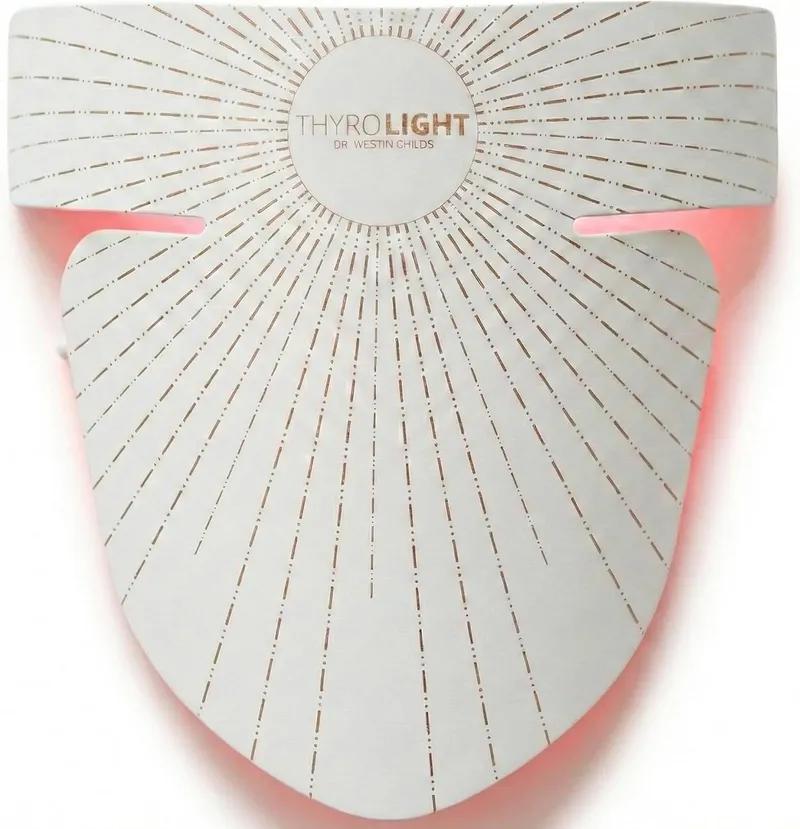
Thyro Light by Dr. Westin Childs
Red light therapy (photobiomodulation) applied directly to the thyroid gland is one of the most exciting emerging therapies in thyroid health. Multiple clinical studies, including randomized controlled trials, have shown that near-infrared light therapy can reduce thyroid antibodies, improve thyroid function, and in some cases allow patients to reduce their medication dose. The mechanism involves stimulating mitochondrial function in thyroid cells, reducing local inflammation, and promoting tissue regeneration. The Thyro Light is purpose-built for this application — the wavelengths, power output, and form factor are optimized for reaching the thyroid gland, unlike generic red light panels.
$250-$350
→
BestQool
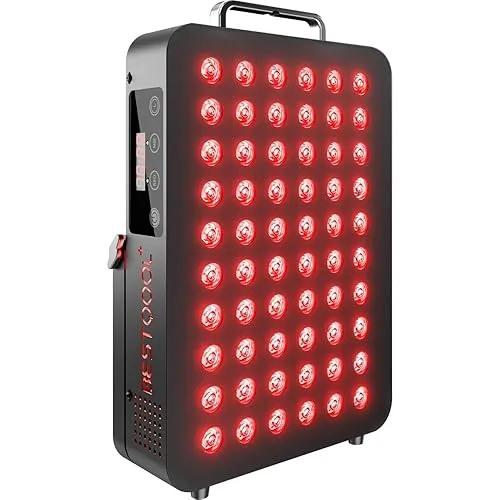
BestQool Red Light Therapy Panel (660nm & 850nm)
At a fraction of the cost of premium red light panels, BestQool provides the same clinically effective wavelengths used in thyroid photobiomodulation research. The 850nm near-infrared light penetrates deep enough to reach the thyroid gland when applied to the neck, supporting mitochondrial function and reducing local inflammation. Beyond direct thyroid benefits, red light therapy improves sleep quality, reduces joint and muscle pain, and supports skin health — all common concerns for thyroid patients. The panel size is ideal for targeted neck therapy sessions, making it a practical entry point for patients interested in adding photobiomodulation to their thyroid management protocol.
$80-$150
→Published Research
- [1]Low-level laser in the treatment of patients with hypothyroidism induced by chronic autoimmune thyroiditis: a randomized, placebo-controlled clinical trial — Höfling DB, Chavantes MC, Juliano AG, et al., Lasers in Medical Science (2013) DOI: 10.1007/s10103-012-1129-9
- [2]Long-term follow-up of patients with hypothyroidism induced by autoimmune thyroiditis submitted to low-level laser therapy — Höfling DB, Chavantes MC, Juliano AG, et al., Lasers in Medical Science (2020) DOI: 10.1007/s10103-019-02960-x
- [3]Photobiomodulation therapy for the management of thyroid disorders: a systematic review — Ferraresi C, Huang YY, Hamblin MR, Photodermatology, Photoimmunology & Photomedicine (2022)
- [4]Mechanisms and applications of the anti-inflammatory effects of photobiomodulation — Hamblin MR, AIMS Biophysics (2017) DOI: 10.3934/biophy.2017.3.337
Cautions
- Monitor thyroid labs closely
- May need medication dose reduction
- Inform your doctor