
Selenium + Myo-Inositol Protocol
Overview
Combine selenium 83-200mcg with myo-inositol 600-2000mg daily to reduce thyroid antibodies and improve thyroid function in Hashimoto's.
What Is the Selenium + Myo-Inositol Protocol?
The selenium and myo-inositol protocol is a targeted nutritional supplementation strategy combining two nutrients with strong evidence for supporting thyroid health, particularly in autoimmune thyroid disease. Selenium (200 mcg/day as selenomethionine) and myo-inositol (600 mg/day) work synergistically to reduce thyroid autoantibodies, support thyroid hormone synthesis, and modulate immune function.
This protocol has emerged from extensive clinical research, primarily conducted in Italy and other European countries, where it has become a widely recommended first-line complementary approach for patients with Hashimoto's thyroiditis and subclinical hypothyroidism. The combination addresses multiple aspects of thyroid dysfunction simultaneously, making it more effective than either nutrient alone.
Selenium is a trace mineral that serves as a cofactor for several critical thyroid enzymes, including glutathione peroxidases, thioredoxin reductases, and the deiodinase enzymes responsible for converting T4 to the active T3 hormone. The thyroid gland contains more selenium per gram of tissue than any other organ in the body, highlighting its essential role in thyroid function.
Myo-inositol is the most abundant form of inositol in human tissue and functions as a second messenger in the TSH signaling cascade within thyroid cells. When TSH binds to its receptor on thyroid follicular cells, myo-inositol-dependent signaling pathways are activated to stimulate thyroid hormone production. Adequate myo-inositol levels ensure that thyroid cells respond appropriately to TSH stimulation.
How the Protocol Works
Selenium's Role in Thyroid Function
Selenium performs several interconnected functions within the thyroid gland:
- Antioxidant protection: Thyroid hormone synthesis generates significant hydrogen peroxide (H2O2). Selenium-dependent glutathione peroxidases neutralize excess H2O2, protecting thyroid cells from oxidative damage.
- T4-to-T3 conversion: The type 1 and type 2 deiodinase enzymes are selenoproteins. Adequate selenium ensures efficient hormone conversion.
- Immune modulation: Selenium regulates reactive oxygen species in immune cells and modulates the Th1/Th2 balance, relevant in Hashimoto's thyroiditis.
Myo-Inositol's Role in TSH Signaling
Myo-inositol participates in the phosphatidylinositol (PI) signaling pathway, the primary mechanism by which TSH communicates with thyroid cells. When this pathway is impaired, thyroid cells become "deaf" to TSH signals, resulting in elevated TSH levels despite normal T4 production — commonly seen in subclinical hypothyroidism.
Supplementation enhances the sensitivity of thyroid cells to TSH, improving their responsiveness. This can normalize TSH levels without directly altering thyroid hormone production.
Synergistic Effects
The combination produces effects greater than either nutrient alone. Selenium's antioxidant protection preserves the cellular machinery for myo-inositol-mediated signaling, while myo-inositol ensures selenium-dependent enzymes are properly activated. Clinical trials consistently show greater reductions in TSH and thyroid autoantibodies with the combination compared to either supplement in isolation.
Clinical Evidence
Nordio and Basciani (2017) conducted a randomized controlled trial comparing myo-inositol plus selenium to selenium alone in 168 patients with Hashimoto's thyroiditis. After 6 months, the combination group showed significantly greater reductions in TSH (from 4.4 to 3.1 mIU/L) and TPO antibodies (decrease of 44%).
Ferrari et al. (2018) found that myo-inositol and selenium significantly reduced both TPO-Ab and Tg-Ab levels over 6 months while improving thyroid echogenicity on ultrasound.
Mazokopakis and Chatzipavlidou (2007) demonstrated that selenomethionine at 200 mcg/day reduced TPO antibody levels by 20% at 6 months. Patients who discontinued selenium experienced a rebound in antibodies.
A 2013 Cochrane systematic review concluded that selenium reduces TPO antibody levels at 3, 6, and 12 months in Hashimoto's patients.
Recommended Protocol
- Selenium: 200 mcg per day as selenomethionine. Take with food.
- Myo-inositol: 600 mg per day, typically in the morning.
- Duration: Minimum 6 months for evaluation.
- Monitoring: Check TSH, Free T4, Free T3, TPO-Ab, and Tg-Ab every 3 months.
- Spacing: Take at least 30-60 minutes from thyroid medication.
Safety and Considerations
- Selenium toxicity: Upper tolerable limit is 400 mcg/day. At 200 mcg/day from supplements, stay within safe limits. Monitor dietary selenium intake.
- Myo-inositol: Very well tolerated at 600 mg/day. Rarely causes side effects at this dose.
- Graves' disease caution: This protocol is studied for Hashimoto's/hypothyroidism. Consult your endocrinologist if you have hyperthyroidism.
- Medication interactions: Space at least 30-60 minutes from levothyroxine.
The selenium + myo-inositol protocol is one of the best-studied complementary approaches for autoimmune thyroid disease. Start with baseline labs and monitor progress every 3 months.
Evidence Level
This technique is supported by strong clinical evidence from multiple well-designed studies. It is widely recommended by healthcare professionals for thyroid health support.
Frequently Asked Questions
Recommended Products
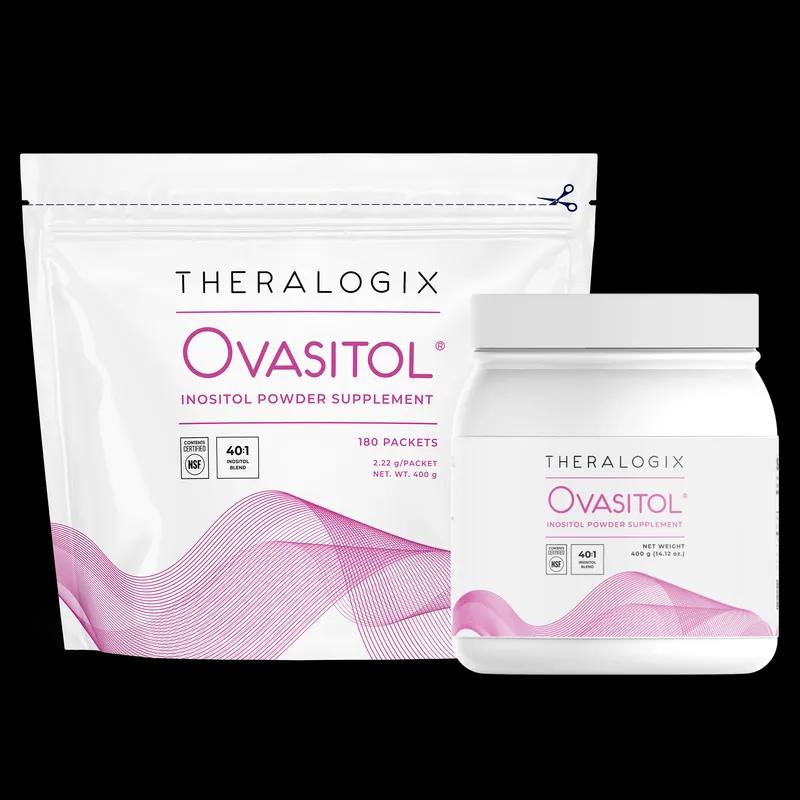
Theralogix
Ovasitol by Theralogix (Myo-Inositol + D-Chiro)
Insulin resistance is present in a significant percentage of hypothyroid patients, and it creates a vicious cycle: poor thyroid function promotes insulin resistance, while insulin resistance impairs thyroid hormone conversion and increases inflammation. The 40:1 myo-inositol to D-chiro-inositol ratio has been clinically shown to improve insulin signaling, which directly supports T4-to-T3 conversion and reduces the metabolic dysfunction that makes hypothyroidism symptoms worse. For thyroid patients with PCOS (a common comorbidity) or those struggling with weight gain despite medication, Ovasitol addresses a root cause that thyroid medication alone cannot fix.
$45-$55/month
→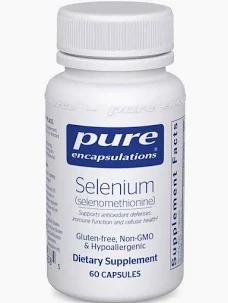
Pure Encapsulations
Pure Encapsulations Selenium (selenomethionine)
Selenium is arguably the single most important mineral for thyroid health beyond iodine. It is required for the selenoprotein enzymes that convert T4 into the active T3 hormone, and it plays a critical role in protecting the thyroid gland from oxidative damage during hormone production. Clinical studies have shown that 200 mcg of selenium daily can significantly reduce TPO antibodies in Hashimoto's patients. Pure Encapsulations delivers pharmaceutical-grade quality with zero fillers, making it ideal for sensitive thyroid patients who react to additives in cheaper brands.
$15-$22
→Published Research
- [1]The combined therapy with myo-inositol and selenium ensures normal thyroid function in subclinical hypothyroidism patients — Nordio M, Basciani S, Endocrine (2017) DOI: 10.1007/s12020-017-1360-6
- [2]Myo-inositol and selenium reduce the risk of developing overt hypothyroidism in patients with autoimmune thyroiditis — Ferrari SM, Fallahi P, Di Bari F, et al., European Review for Medical and Pharmacological Sciences (2018)
- [3]Selenomethionine supplementation in patients with autoimmune thyroiditis decreases thyroid peroxidase antibodies — Mazokopakis EE, Chatzipavlidou V, Journal of Clinical Endocrinology & Metabolism (2007) DOI: 10.1210/jc.2007-0421
- [4]Selenium supplementation for Hashimoto's thyroiditis — van Zuuren EJ, Albusta AY, et al., Cochrane Database of Systematic Reviews (2013)
Cautions
- Do not exceed 200mcg selenium without supervision
- Monitor thyroid antibodies