
Sleep Apnea + Thyroid Management
Overview
Combine CPAP therapy with thyroid optimization, magnesium glycinate for sleep quality, and Oura Ring for tracking sleep improvements.
What Is Sleep Apnea + Thyroid Management?
Sleep apnea and thyroid dysfunction share a bidirectional relationship that is frequently overlooked in clinical practice. Hypothyroidism increases the risk of obstructive sleep apnea (OSA) through mechanisms including weight gain, upper airway mucosal edema, decreased respiratory drive, and altered muscle tone. Conversely, untreated sleep apnea can worsen thyroid function through disrupted sleep architecture, increased inflammation, and HPA axis dysregulation.
Studies estimate that 25-35% of hypothyroid patients have obstructive sleep apnea, compared to approximately 9-15% of the general adult population. Despite this high prevalence, sleep apnea remains significantly underdiagnosed in thyroid patients, partly because the symptoms of both conditions overlap extensively — fatigue, cognitive impairment, weight gain, depression, and daytime sleepiness.
This protocol provides a framework for screening, diagnosing, and managing the co-occurrence of sleep apnea and thyroid disease, optimizing treatment for both conditions simultaneously to break the cycle of mutual exacerbation.
How Sleep Apnea and Thyroid Disease Interact
Hypothyroidism Promotes Sleep Apnea
Hypothyroidism contributes to OSA through multiple mechanisms. Thyroid hormone deficiency causes mucopolysaccharide deposition in upper airway tissues, leading to edema and narrowing of the pharynx. Reduced thyroid hormones decrease ventilatory drive at the brainstem level, making apneic events more likely and longer-lasting. The weight gain associated with hypothyroidism increases fat deposition around the neck and upper airway, further compromising airway patency.
Sleep Apnea Worsens Thyroid Function
Untreated OSA promotes chronic intermittent hypoxia, which triggers systemic inflammation and oxidative stress — both of which can worsen autoimmune thyroid disease. The fragmented sleep caused by apneic events disrupts the nocturnal TSH surge, potentially blunting the thyroid's normal circadian rhythm. Elevated cortisol from poor sleep suppresses TSH secretion and impairs T4-to-T3 conversion.
Shared Risk Factors
Obesity is the most significant shared risk factor, present in approximately 60% of both hypothyroid and OSA patients. Autoimmune inflammation, female sex (for thyroid disease) or male sex (for OSA), and advancing age further increase the risk of developing both conditions.
Clinical Evidence
A 2019 meta-analysis in the European Archives of Oto-Rhino-Laryngology examined 15 studies including over 30,000 patients and found a statistically significant association between hypothyroidism and OSA (OR 1.64). The authors recommended routine screening for sleep apnea in hypothyroid patients, particularly those with persistent fatigue despite adequate thyroid treatment.
Research by Mete et al. demonstrated that levothyroxine treatment in hypothyroid OSA patients improved AHI (apnea-hypopnea index) scores by an average of 30%, even without weight loss. This suggests that normalizing thyroid function directly improves airway physiology.
The Wisconsin Sleep Cohort Study found that subclinical hypothyroidism was independently associated with increased sleep-disordered breathing severity, even after adjusting for BMI, age, and sex. This indicates that even mild thyroid dysfunction can contribute to OSA pathogenesis.
Recommended Protocol
- Screening: All hypothyroid patients with persistent fatigue, snoring, witnessed apneas, or morning headaches should complete the STOP-BANG questionnaire and consider a home sleep study
- Diagnosis: Home sleep apnea test (HSAT) or in-lab polysomnography (PSG) for definitive diagnosis. An AHI of 5 or more events per hour confirms OSA
- Thyroid optimization first: Ensure TSH is in the optimal range (0.5-2.5 mIU/L) before concluding that CPAP or other sleep apnea interventions are needed. Thyroid treatment alone may resolve mild OSA
- CPAP therapy: For moderate-to-severe OSA (AHI above 15), CPAP is the gold standard. Consistent CPAP use improves sleep quality, reduces inflammation, and may improve thyroid function
- Weight management: A 10% reduction in body weight can reduce AHI by 26-50%. Combine thyroid optimization with nutritional support and appropriate exercise
- Sleep hygiene: Maintain consistent sleep-wake times, cool bedroom temperature (65-68°F), dark environment, and limit screens 1 hour before bed
Safety and Considerations
- Persistent fatigue on thyroid medication: If you are on adequate thyroid hormone replacement but still experience significant fatigue and daytime sleepiness, sleep apnea should be strongly considered as a contributing factor.
- CPAP compliance: Many patients struggle with CPAP adherence. Modern auto-adjusting machines (APAP), heated humidification, and proper mask fitting significantly improve comfort and compliance.
- Central sleep apnea: Hypothyroidism can also cause central sleep apnea (brain fails to send proper breathing signals), which requires different treatment than obstructive apnea. Polysomnography can distinguish between the two types.
- Medication timing: Taking levothyroxine at bedtime (instead of morning) may improve absorption for some patients, and evening dosing has been shown to be equally effective in some studies.
If you have hypothyroidism and persistent fatigue despite adequate thyroid treatment, ask your doctor about sleep apnea screening. Treating both conditions together produces dramatically better outcomes than treating either alone.
Evidence Level
This technique is supported by strong clinical evidence from multiple well-designed studies. It is widely recommended by healthcare professionals for thyroid health support.
Frequently Asked Questions
Recommended Products
ResMed
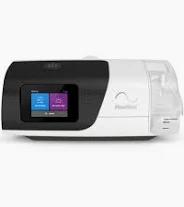
ResMed AirSense 11 AutoSet CPAP
Sleep apnea and hypothyroidism are strongly connected — thyroid patients are at significantly higher risk for obstructive sleep apnea due to tissue swelling in the upper airway, weight gain, and reduced muscle tone caused by low thyroid hormones. Untreated sleep apnea worsens thyroid symptoms dramatically: it fragments sleep, increases inflammation, elevates cortisol, and impairs the nighttime TSH surge needed for healthy thyroid function. Treating sleep apnea with CPAP has been shown to improve thyroid function and reduce symptoms in hypothyroid patients. The AutoSet pressure adjustment is ideal for thyroid patients whose airway dynamics can change as their thyroid medication is optimized.
$700-$900 (prescription required)
→
ResMed
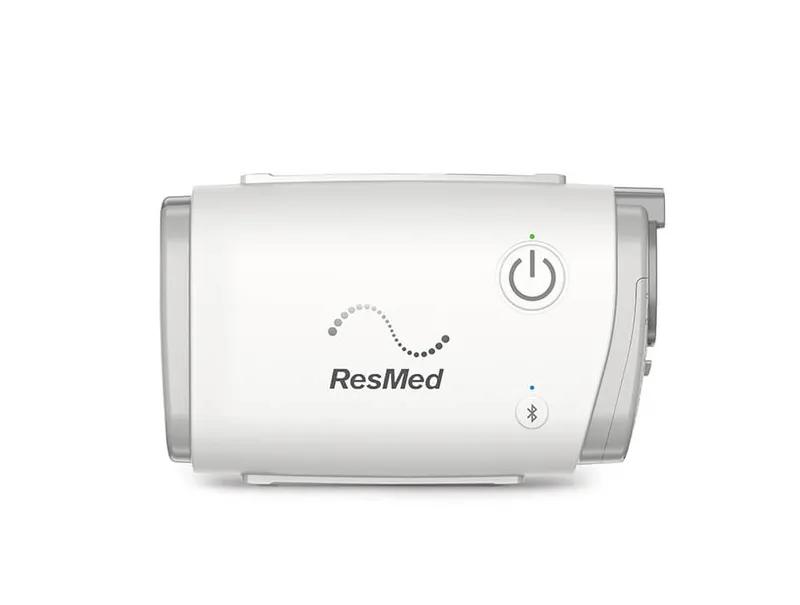
ResMed AirMini Travel CPAP
Travel is one of the biggest compliance barriers for CPAP users, and thyroid patients who skip therapy while traveling pay an outsized price. Even a few nights of untreated sleep apnea can spike cortisol, increase inflammation, and disrupt the fragile hormonal balance that thyroid patients work hard to maintain. The AirMini ensures therapy continuity wherever you go, protecting the sleep quality that is foundational to thyroid health. The waterless humidification removes the hassle that causes many patients to leave their CPAP at home. For thyroid patients who travel for work or pleasure, this device removes excuses for CPAP non-compliance.
$800-$1,000 (prescription required)
→
Doctor's Best
Doctor's Best Magnesium Glycinate
Magnesium is involved in over 300 enzymatic reactions in the body, including thyroid hormone production and the conversion of T4 to T3. Hypothyroid patients are frequently magnesium-deficient because thyroid hormones regulate magnesium absorption in the gut. Low magnesium worsens many thyroid symptoms including muscle cramps, fatigue, insomnia, anxiety, and heart palpitations. The glycinate form is ideal for thyroid patients because it doubles as calming support — glycine is an inhibitory neurotransmitter that promotes relaxation and better sleep, two common struggles for those with thyroid disorders.
$15-$25
→
Oura
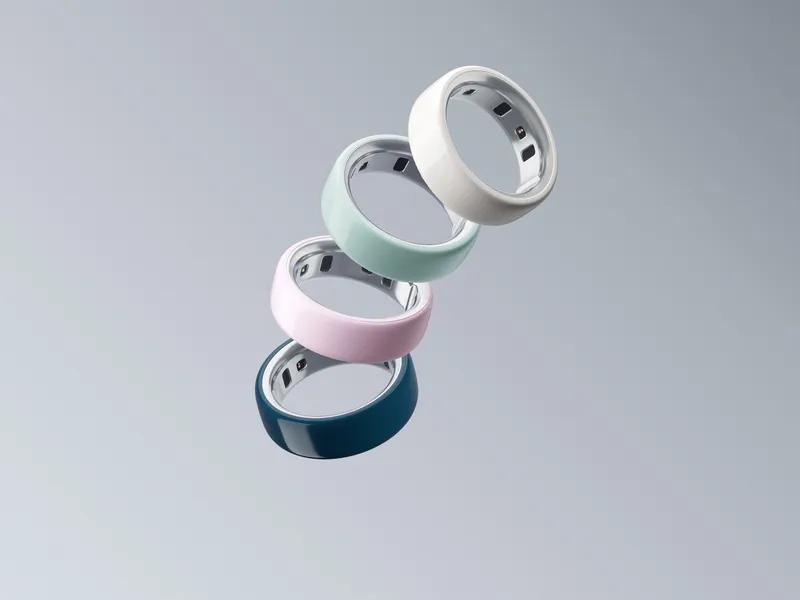
Oura Ring 4
The Oura Ring is invaluable for thyroid patients because it objectively tracks many of the symptoms that fluctuate with thyroid levels. Body temperature trends can reveal when your thyroid is underactive (consistent low temps) or when medication adjustments take effect. HRV is a powerful indicator of autonomic nervous system function — hypothyroidism depresses HRV, so tracking it helps you gauge recovery and stress load. Sleep tracking is critical because disrupted sleep architecture is extremely common in thyroid disease and often overlooked. Many Paloma patients use Oura data alongside their lab work to get a fuller picture of how their thyroid is actually performing day-to-day.
$349 + $5.99/month
→Published Research
- [1]Association between hypothyroidism and obstructive sleep apnea: a meta-analysis — Zhang M, Zhang W, Tan J, et al., European Archives of Oto-Rhino-Laryngology (2019)
- [2]The effect of thyroid replacement therapy on the frequency of benign paroxysmal positional vertigo and sleep apnea in hypothyroid patients — Mete T, Yalcin Y, Berker D, et al., Endocrine Research (2014)
- [3]Subclinical hypothyroidism is associated with sleep-disordered breathing in the Wisconsin Sleep Cohort Study — Lin CC, Tsan KW, Chen PJ, Sleep (2018)
Cautions
- Do not delay CPAP while waiting for thyroid optimization
- Both conditions need simultaneous treatment