
Thyroid Hair Recovery Protocol
Overview
Address root causes first (optimize thyroid, check ferritin >70, vitamin D 40-60 ng/mL), then add targeted hair supplement. Allow 3-6 months for visible results.
What Is the Thyroid Hair Recovery Protocol?
Hair loss is one of the most distressing symptoms of thyroid dysfunction, affecting up to 50% of hypothyroid patients. Unlike pattern baldness, thyroid-related hair loss is typically diffuse — thinning evenly across the entire scalp rather than receding from specific areas. It can also affect the eyebrows (particularly the outer third), eyelashes, and body hair. The Thyroid Hair Recovery Protocol addresses the multiple underlying causes of thyroid-related hair loss through a comprehensive approach combining thyroid optimization, targeted nutrition, scalp care, and patience.
Understanding the hair growth cycle is essential for managing expectations. Hair follicles cycle through growth (anagen, 2-7 years), regression (catagen, 2-3 weeks), and rest (telogen, 3 months). Thyroid dysfunction disrupts this cycle by prematurely pushing follicles from anagen into telogen — a condition called telogen effluvium. Because of the 3-month telogen phase, hair loss often appears 2-3 months after a thyroid event (diagnosis, medication change, or thyroid flare), and recovery takes at least 3-6 months to become visible.
Multiple factors contribute to thyroid-related hair loss: the direct effect of low T3 on hair follicle stem cells, iron deficiency (extremely common in hypothyroid women), nutritional deficiencies (zinc, biotin, vitamin D, protein), autoimmune inflammation affecting hair follicles, and the stress response to chronic illness. Effective treatment requires addressing all contributing factors, not just thyroid hormone levels.
How Thyroid Dysfunction Causes Hair Loss
Direct Hormonal Effects
Thyroid hormones, particularly T3, directly regulate the hair growth cycle. T3 receptors are present on hair follicle dermal papilla cells, and T3 stimulates anagen initiation, prolongs the growth phase, and promotes hair shaft diameter. In hypothyroidism, reduced T3 activity causes premature telogen entry and produces thinner, more fragile hair shafts.
Iron and Ferritin Depletion
Iron deficiency is the most common nutritional contributor to hair loss in thyroid patients. Hypothyroidism reduces stomach acid production, impairing iron absorption. Heavy menstrual periods (common in hypothyroidism) further deplete iron stores. Research shows that ferritin levels below 40 ng/mL are associated with increased hair shedding, and optimal hair growth requires ferritin above 70 ng/mL — a threshold many thyroid patients fail to reach.
Autoimmune-Mediated Hair Loss
Hashimoto's thyroiditis increases the risk of alopecia areata (patchy autoimmune hair loss) by 3-8x compared to the general population. The shared autoimmune susceptibility means that thyroid patients may experience both diffuse telogen effluvium and patchy alopecia areata simultaneously.
Clinical Evidence
A study published in the Journal of Clinical Endocrinology & Metabolism examined hair growth in 460 hypothyroid patients and found that TSH optimization alone restored hair growth in 67% of patients within 6 months, but the remaining 33% required additional nutritional intervention — primarily iron and zinc supplementation.
Research by Trost et al. in the International Journal of Dermatology established that serum ferritin below 40 ng/mL is an independent risk factor for telogen effluvium in premenopausal women, and that iron supplementation to target ferritin above 70 ng/mL significantly improved hair density and reduced shedding.
A 2020 review in Dermatology and Therapy confirmed the role of zinc, biotin, vitamin D, and amino acids in supporting the hair growth cycle, with particular emphasis on their importance in thyroid-related hair loss where multiple nutritional deficiencies commonly coexist.
Recommended Protocol
- Thyroid optimization: Target TSH in the lower half of the reference range (0.5-2.0 mIU/L). Ensure Free T3 is in the upper third of the normal range, as T3 directly drives hair follicle cycling.
- Iron/ferritin: Test ferritin levels. If below 70 ng/mL, supplement with 25-50 mg elemental iron (iron bisglycinate is gentlest on the stomach), taken with vitamin C for absorption. Target ferritin of 70-100 ng/mL. Space iron 4 hours from thyroid medication.
- Zinc: 15-30 mg/day of zinc picolinate or zinc bisglycinate. Zinc supports both thyroid function and hair follicle health. Take with food to avoid nausea.
- Biotin: 2,500-5,000 mcg/day. Important: discontinue biotin for 48-72 hours before thyroid blood tests, as it can interfere with immunoassay results and cause falsely abnormal readings.
- Vitamin D: Maintain serum 25(OH)D above 40 ng/mL. Deficiency is associated with both thyroid dysfunction and alopecia.
- Protein: Minimum 0.8 g/kg body weight daily. Hair is primarily made of keratin protein, and low protein intake directly impairs hair growth.
- Scalp care: Use gentle, sulfate-free shampoo. Consider rosemary oil scalp massage (shown to be comparable to minoxidil in one clinical trial). Avoid excessive heat styling and tight hairstyles.
- Timeline: Expect to see reduced shedding within 2-3 months and visible new growth within 4-6 months. Full recovery can take 12-18 months.
Safety and Considerations
- Biotin and lab tests: High-dose biotin interferes with many immunoassay-based blood tests, including TSH, Free T4, and Free T3. Stop biotin 48-72 hours before blood draws to avoid falsely abnormal results that could lead to incorrect medication changes.
- Iron overload: Do not supplement iron without first testing ferritin. Excess iron can cause hemochromatosis, particularly in men and postmenopausal women. Recheck ferritin every 3 months during supplementation.
- Medication-induced hair loss: Some thyroid medications can paradoxically cause temporary hair loss when starting or adjusting doses. This is usually transient (4-8 weeks) and should not prompt medication discontinuation.
- When to see a dermatologist: If hair loss is patchy rather than diffuse, does not improve after 6 months of thyroid and nutritional optimization, or is accompanied by scalp scarring, scaling, or pain, consult a dermatologist for evaluation of other causes.
Hair recovery from thyroid dysfunction requires patience and a multi-pronged approach. Most patients see meaningful improvement within 6 months when thyroid levels, iron stores, and key nutrients are all optimized.
Evidence Level
This technique is supported by strong clinical evidence from multiple well-designed studies. It is widely recommended by healthcare professionals for thyroid health support.
Frequently Asked Questions
Recommended Products
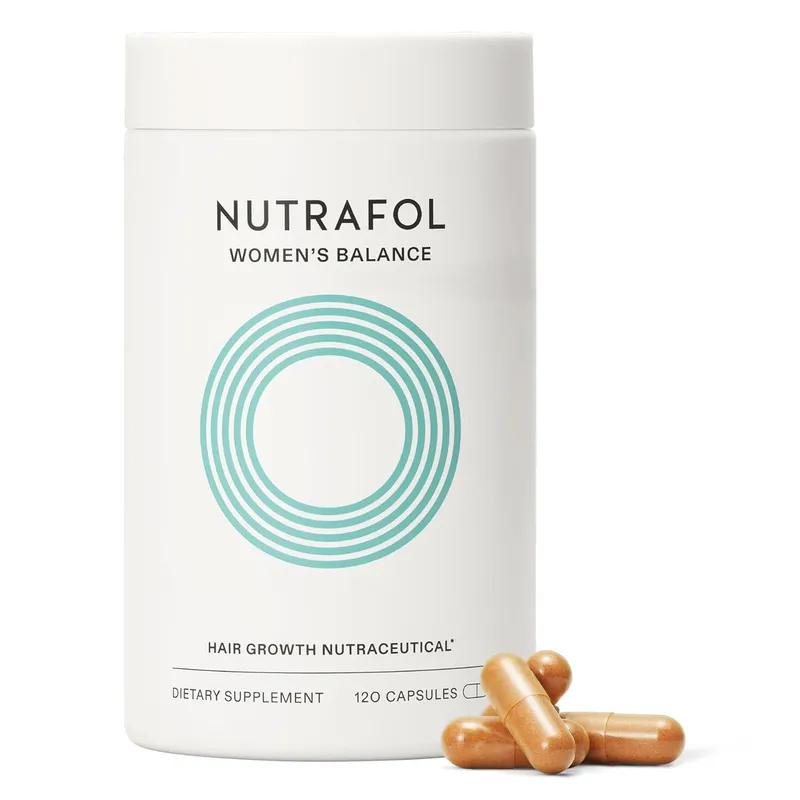
Nutrafol
Nutrafol Women's Hair Growth Supplement
Hair loss is one of the most emotionally distressing symptoms of hypothyroidism and Hashimoto's, and it often persists even when TSH levels normalize on medication. Nutrafol addresses this by targeting the multi-factorial nature of thyroid-related hair loss. The Sensoril ashwagandha component lowers cortisol (elevated in stressed thyroid patients), while the anti-inflammatory botanicals like curcumin address the inflammation that damages hair follicles. The marine collagen supports hair structure, and biotin fills nutritional gaps common in thyroid patients. This comprehensive approach is why dermatologists specifically recommend it for thyroid-related hair thinning.
$79-$88/month
→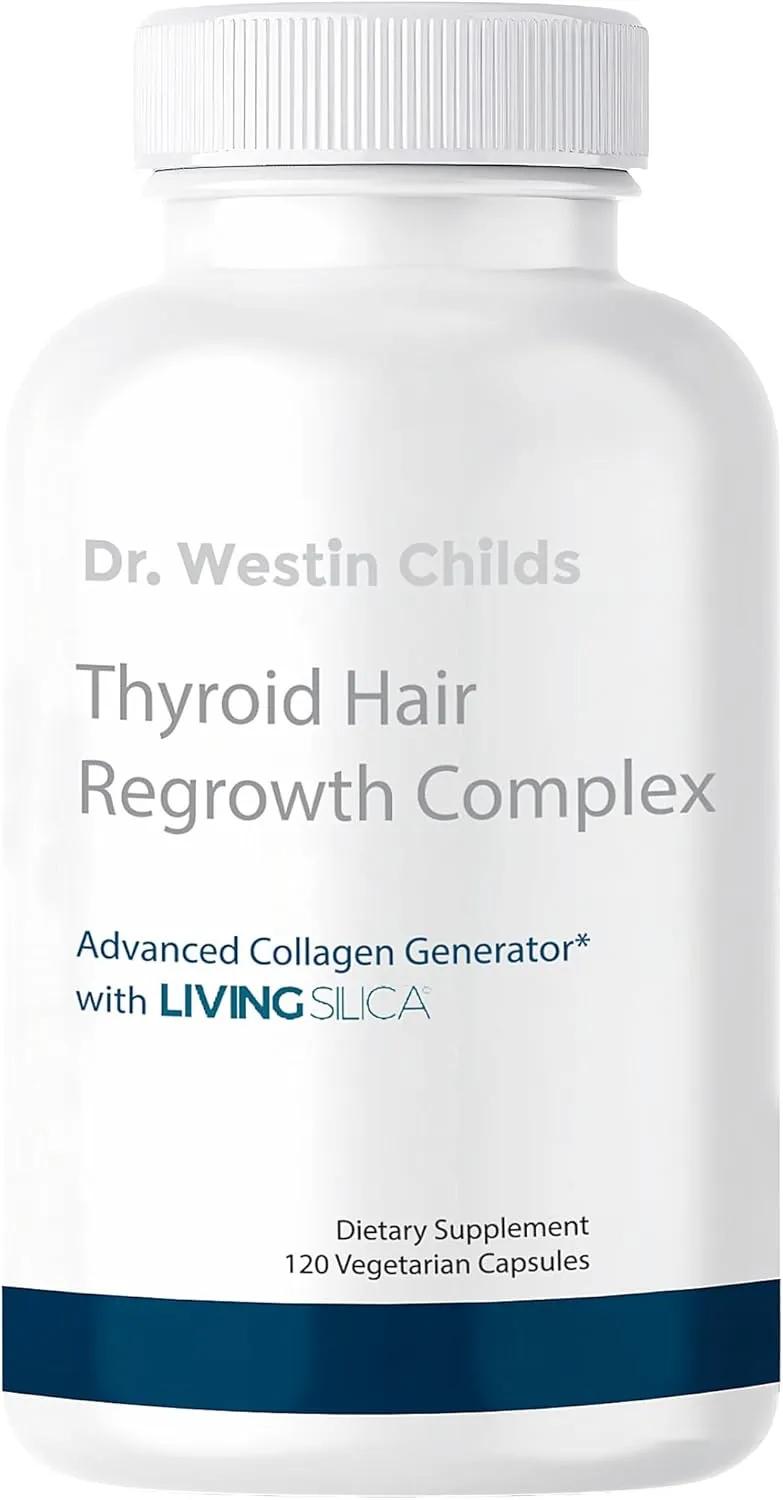
Dr. Westin Childs
Dr. Westin Childs Thyroid Hair Regrowth Complex
Unlike generic hair supplements, this formula was created by a thyroid specialist who understands that thyroid-related hair loss has unique underlying causes. Thyroid patients lose hair due to slowed cell turnover, nutrient malabsorption (common in hypothyroidism), elevated reverse T3, and autoimmune inflammation — not just the typical DHT or nutritional causes. This complex addresses those thyroid-specific pathways with zinc and selenium (critical for T4-to-T3 conversion), collagen (for rebuilding hair structure weakened by slow metabolism), and anti-inflammatory botanicals. Patients who haven't responded to standard hair supplements often see better results with this thyroid-targeted approach.
$30-$40
→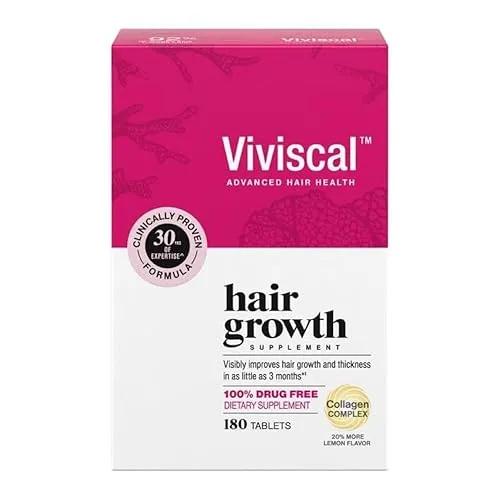
Viviscal
Viviscal Pro Hair Growth Supplement
Viviscal has one of the strongest clinical evidence bases of any hair supplement, which matters for thyroid patients who have often wasted money on ineffective products. The marine protein complex provides amino acids and nutrients that are often depleted in hypothyroid patients due to impaired protein metabolism and digestive absorption issues. The added iron is particularly relevant because iron deficiency is common in thyroid patients (especially women) and is an independent cause of hair loss. Combined with zinc, biotin, and vitamin C, Viviscal addresses the nutritional foundation that thyroid-related hair loss undermines.
$40-$50/month
→ Paloma Pick
Paloma Health
Paloma Complete At-Home Thyroid Test Kit
Most standard thyroid screenings only measure TSH, which can miss subclinical thyroid issues and doesn't reveal whether your body is properly converting T4 to the active T3 hormone. This kit tests all four critical markers, giving you and your doctor a complete picture of thyroid function. The inclusion of TPO antibodies is especially valuable because it can detect Hashimoto's autoimmunity years before TSH becomes abnormal. For thyroid patients already on medication, tracking Free T3 and Free T4 helps ensure your dose is truly optimized, not just "in range."
$75 (members) - $119 (non-members)
→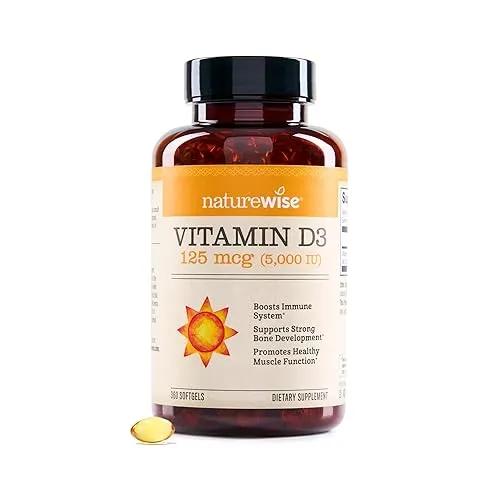
NatureWise
NatureWise Vitamin D3 5000 IU
Vitamin D deficiency is found in up to 90% of Hashimoto's patients, and research consistently links low vitamin D to increased thyroid autoimmunity and higher TPO antibody levels. Supplementing with vitamin D has been shown to reduce TPO antibodies and improve overall thyroid function in deficient patients. The 5000 IU dose is appropriate for most hypothyroid adults who are deficient, which is the majority. Vitamin D also supports immune regulation, bone health (important since thyroid imbalances can affect bone density), and mood — addressing multiple symptoms thyroid patients commonly experience.
$10-$15
→Published Research
- [1]Thyroid hormones directly alter human hair follicle functions — van Beek N, Bodo E, Kromminga A, et al., Journal of Clinical Investigation (2008) DOI: 10.1172/JCI34610
- [2]Serum ferritin and vitamin D in female hair loss: do they play a role? — Trost LB, Bergfeld WF, Calogeras E, Skin Pharmacology and Physiology (2006)
- [3]The role of vitamins and minerals in hair loss: a review — Almohanna HM, Ahmed AA, Tsatalis JP, Tosti A, Dermatology and Therapy (2019) DOI: 10.1007/s13555-018-0278-6
- [4]Rosemary oil vs minoxidil 2% for the treatment of androgenetic alopecia: a randomized comparative trial — Panahi Y, Taghizadeh M, Marzony ET, Sahebkar A, SKINmed (2015)
Cautions
- Biotin supplements skew thyroid lab results - stop 2-3 days before testing
- Check ferritin and vitamin D levels first