
Clean Living Swap Protocol
Overview
Systematically replace conventional products with non-toxic alternatives. Priority order: 1) Water (filter), 2) Kitchen (cookware, storage), 3) Home (cleaners, laundry), 4) Personal care (deodorant, lotion, shampoo), 5) Oral care (toothpaste, mouthwash).
What Is the Clean Living Swap Protocol?
The Clean Living Swap Protocol is a practical, room-by-room guide to gradually replacing everyday products that contain thyroid-disrupting chemicals with safer alternatives. Unlike aggressive detox protocols, this approach focuses on prevention — systematically reducing ongoing exposure to endocrine-disrupting chemicals (EDCs) through simple product substitutions that fit into your normal life and budget.
Research consistently shows that household products are a primary source of EDC exposure. The average person encounters over 80,000 synthetic chemicals in daily life, many of which interfere with thyroid hormone synthesis, transport, and metabolism. The good news: simple swaps can reduce measurable chemical burden by 50-80% within weeks, based on intervention studies tracking urinary metabolites of common EDCs.
This protocol prioritizes swaps by impact — starting with the changes that produce the greatest reduction in thyroid-disrupting chemical exposure per dollar spent and per unit of effort. You don't need to overhaul your entire home overnight; replacing products as they run out is both practical and effective.
Why Product Swaps Matter for Thyroid Health
Many common household chemicals directly interfere with thyroid function:
- PFAS (non-stick cookware, stain-resistant fabrics, food packaging): Displace thyroid hormones from transport proteins and are linked to thyroid disease in NHANES data
- BPA/BPS (plastic containers, canned food linings, receipts): Bind to thyroid hormone receptors and alter TSH signaling
- Phthalates (fragranced products, soft plastics, vinyl): Reduce Free T4 and T3 levels in dose-dependent fashion
- Triclosan (antibacterial soaps and products): Structurally similar to thyroid hormones and disrupts thyroid signaling
- Parabens (cosmetics, lotions, shampoo): Alter thyroid hormone levels and increase TPO antibody production
- Flame retardants (furniture, mattresses, electronics): Accumulate in house dust and interfere with thyroid hormone binding
Room-by-Room Swap Guide
Kitchen (Highest Priority)
The kitchen offers the highest-impact swaps because you directly ingest chemicals from cookware and food storage:
- Replace non-stick (Teflon/PFAS) pans with cast iron, stainless steel, or ceramic. Cast iron adds dietary iron — a bonus for hypothyroid patients.
- Switch plastic food storage to glass containers with silicone lids. Never microwave food in plastic.
- Replace plastic cutting boards with wood or bamboo.
- Filter drinking water with a quality filter (reverse osmosis or NSF-certified carbon block) that removes perchlorate, PFAS, and heavy metals.
- Avoid canned foods unless labeled BPA-free. Choose glass-jarred or fresh alternatives.
Bathroom
Personal care products are absorbed through the skin and are a major source of phthalate and paraben exposure:
- Switch to fragrance-free products. "Fragrance" on a label can hide dozens of undisclosed phthalates.
- Choose paraben-free shampoo, conditioner, and body wash. Look for brands certified by EWG or similar organizations.
- Replace conventional deodorant with aluminum-free, fragrance-free alternatives.
- Use mineral sunscreen (zinc oxide or titanium dioxide) instead of chemical sunscreens containing oxybenzone.
- Audit your products at EWG.org/skindeep — aim for products scoring 1-3 on their safety scale.
Living Areas
- Vacuum frequently with a HEPA-filter vacuum to reduce flame retardant dust particles.
- Use a HEPA air purifier in rooms where you spend the most time.
- When replacing furniture or mattresses, choose products without flame retardant chemicals (look for TB117-2013 compliance without added chemicals).
- Open windows for 10-15 minutes daily when weather permits to improve indoor air quality.
Laundry and Cleaning
- Switch to fragrance-free, plant-based laundry detergent. Avoid dryer sheets (high in synthetic fragrance chemicals).
- Replace conventional cleaning products with simple alternatives: white vinegar, baking soda, castile soap, and hydrogen peroxide clean effectively without EDC exposure.
- Avoid "antibacterial" products containing triclosan or triclocarban.
Clinical Evidence
A landmark intervention study by Rudel et al. (2011) in Environmental Health Perspectives demonstrated that switching to fresh, unpackaged foods for just 3 days reduced urinary BPA levels by 66% and DEHP (a common phthalate) levels by 53-56%. This demonstrates the remarkable speed at which exposure reduction translates to measurable body burden reduction.
The HERMOSA study (2016), published in Environmental Health Perspectives, tracked teenage girls who switched to personal care products labeled free of phthalates, parabens, triclosan, and oxybenzone. After just 3 days, urinary concentrations of these chemicals decreased by 27-45%, demonstrating that product swaps quickly reduce internal exposure.
Research from the Endocrine Society's Scientific Statement on EDCs (2015) established that even low-dose, chronic EDC exposure can alter thyroid function through mechanisms distinct from acute toxicity, supporting the importance of ongoing exposure reduction rather than one-time detox events.
Recommended Protocol
- Week 1-2: Audit your kitchen — replace non-stick cookware and plastic food storage. Install a water filter if you don't have one.
- Week 3-4: Audit your bathroom — swap out products as they run out, starting with items you use most (shampoo, body wash, moisturizer).
- Month 2: Address cleaning products and laundry supplies.
- Month 3+: Gradually upgrade living area items (air purifier, vacuum, furnishings) as budget allows.
- Ongoing: Before purchasing any new product, check EWG databases for safety ratings. Make it a habit.
Safety and Considerations
- Budget-friendly approach: Replace products as they run out rather than discarding everything at once. Start with the highest-impact, lowest-cost swaps (water filtration, glass food storage, fragrance-free products).
- Not all "natural" is safe: "Natural" and "organic" labels on personal care products are not strictly regulated. Look for specific certifications (EWG Verified, MADE SAFE) or check ingredient lists.
- Perfection is not the goal: Reducing exposure by 50-80% is achievable and meaningful. Stressing about eliminating 100% of exposures can be counterproductive (stress itself impairs thyroid function).
Every product swap reduces your thyroid's chemical burden. Start with your kitchen and bathroom — these two rooms account for the majority of daily EDC exposure.
Evidence Level
This technique is supported by strong clinical evidence from multiple well-designed studies. It is widely recommended by healthcare professionals for thyroid health support.
Frequently Asked Questions
Recommended Products

Branch Basics
Branch Basics Concentrate Starter Kit
Household cleaning products are a major source of endocrine-disrupting chemicals that thyroid patients should minimize. Synthetic fragrances contain phthalates that interfere with thyroid hormone transport, while ingredients like triclosan and SLS can disrupt thyroid signaling. By replacing an entire cabinet of chemical cleaners with one non-toxic concentrate, you dramatically reduce daily toxin exposure. The fragrance-free formula is especially important because "fragrance" is a catch-all term that can hide hundreds of undisclosed chemicals. For thyroid patients who are chemically sensitive — a common comorbidity with Hashimoto's — Branch Basics provides effective cleaning without triggering symptoms.
$49 (starter kit)
→
Molly's Suds
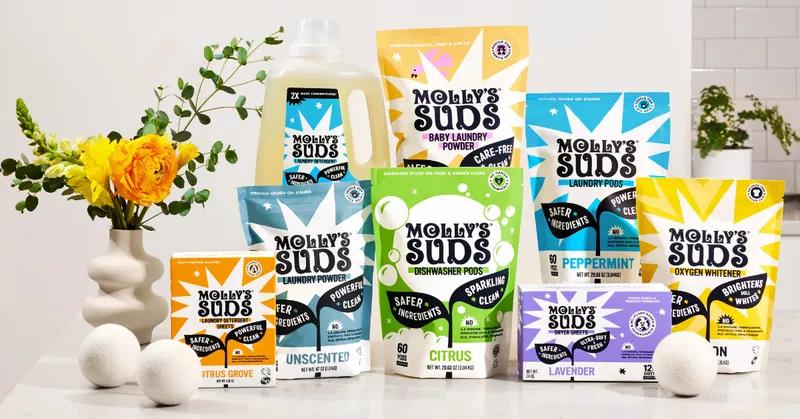
Molly's Suds Laundry Powder
Conventional laundry detergents contain endocrine disruptors that remain on your clothing and bedding, transferring to your skin throughout the day and night. Synthetic fragrances, optical brighteners, and surfactants like SLS have all been linked to hormonal disruption. Since your skin absorbs chemicals it contacts — and you spend 6-8 hours sleeping in detergent-treated sheets — this is a significant daily exposure for thyroid patients. Switching to a clean laundry detergent is one of the highest-impact, lowest-effort changes thyroid patients can make to reduce their body's toxic burden. Molly's Suds delivers genuinely clean laundry without the chemical residue.
$15-$20
→
Caraway
Caraway Ceramic Cookware Set
PFAS chemicals used in traditional nonstick coatings are persistent endocrine disruptors that have been directly linked to thyroid disease in multiple epidemiological studies. When heated, conventional nonstick pans release PFAS compounds into your food and as airborne particles you inhale. Switching to ceramic cookware eliminates this daily thyroid toxin exposure entirely. Caraway's mineral-based coating provides the nonstick convenience that makes healthy cooking practical without the health trade-off. For thyroid patients focused on reducing their environmental chemical burden, cookware is one of the most impactful swaps because it contacts your food at high temperatures every single day.
$395 (full set)
→
RiseWell
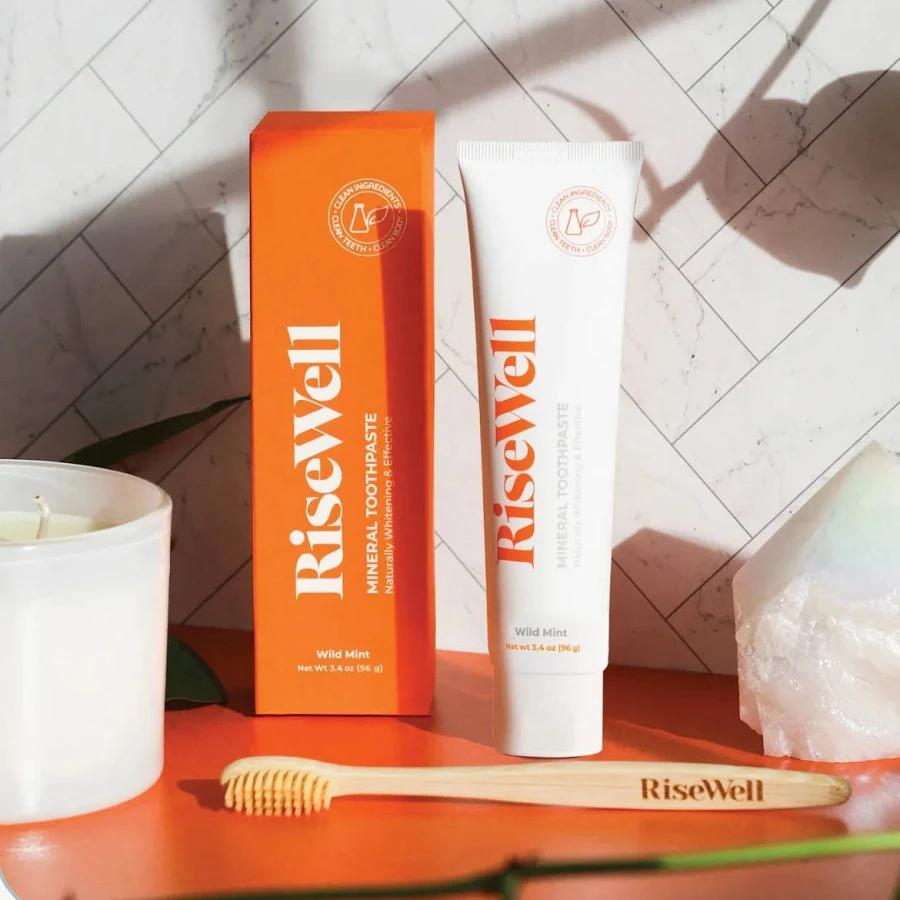
RiseWell Mineral Toothpaste
Fluoride-free oral care is a priority for many thyroid patients because fluoride is a halide that competes with iodine for uptake by the thyroid gland. Historical research initially used fluoride to suppress overactive thyroids, and some studies suggest chronic fluoride exposure may contribute to hypothyroidism. While the evidence is debated, many integrative thyroid practitioners recommend reducing unnecessary fluoride exposure as a precaution. Hydroxyapatite toothpaste provides an evidence-based alternative that effectively strengthens and remineralizes enamel through a completely different mechanism — biomimetic repair rather than chemical hardening.
$12-$16
→
PiperWai
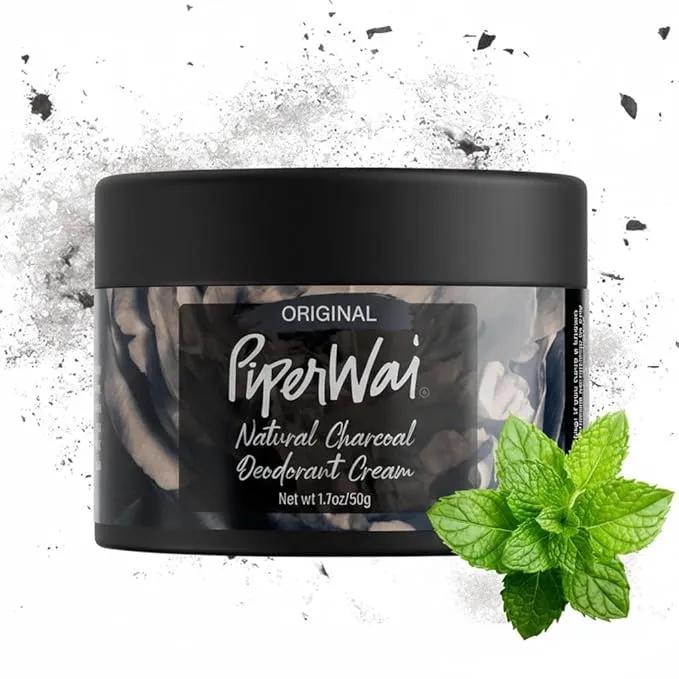
PiperWai Natural Deodorant
Conventional antiperspirants contain aluminum compounds that block sweat glands and have been flagged as potential endocrine disruptors. The armpit area is rich in lymph nodes and highly permeable skin, making it a significant absorption site for whatever you apply. Synthetic fragrances in deodorants contain phthalates that can interfere with thyroid hormone transport proteins. For thyroid patients working to minimize endocrine disruptor exposure, switching to a natural deodorant is one of the most impactful personal care changes. PiperWai's charcoal-based approach provides genuine odor control without the chemicals that burden an already compromised endocrine system.
$14-$18
→
AquaTru
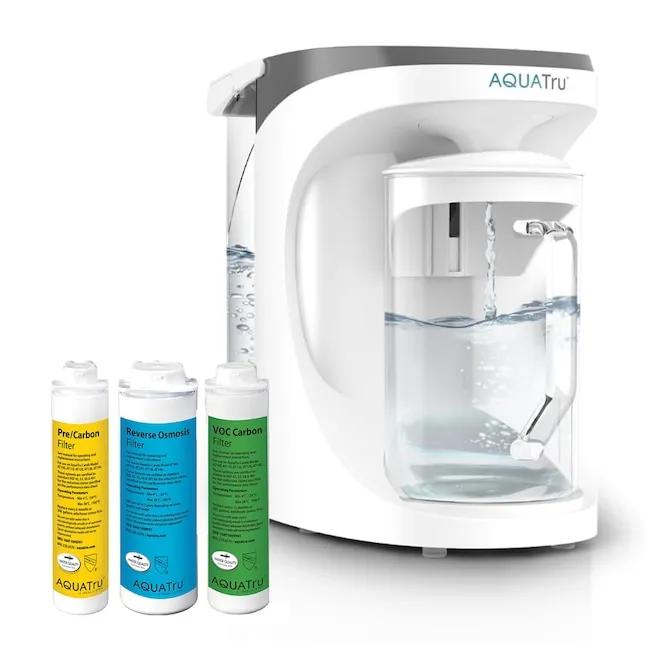
AquaTru Countertop Reverse Osmosis
Water quality is a significant but often overlooked factor in thyroid health. Fluoride and chlorine — present in most municipal water supplies — are halides that compete with iodine at thyroid receptor sites, potentially suppressing thyroid function. PFAS (forever chemicals) are established endocrine disruptors linked to thyroid disease in epidemiological studies. Heavy metals like lead and mercury can also impair thyroid hormone production and conversion. Reverse osmosis is the only filtration method that effectively removes all of these thyroid-disrupting contaminants. AquaTru makes RO filtration accessible without the complexity and cost of whole-house systems.
$399-$449
→Published Research
- [1]Food packaging and bisphenol A and bis(2-ethylhexyl) phthalate exposure: findings from a dietary intervention — Rudel RA, Gray JM, Engel CL, et al., Environmental Health Perspectives (2011) DOI: 10.1289/ehp.1003170
- [2]Reducing phthalate, paraben, and phenol exposure from personal care products in adolescent girls (HERMOSA study) — Harley KG, Kogut K, Madrigal DS, et al., Environmental Health Perspectives (2016) DOI: 10.1289/ehp.1510514
- [3]EDC-2: The Endocrine Society's second scientific statement on endocrine-disrupting chemicals — Gore AC, Chappell VA, Fenton SE, et al., Endocrine Reviews (2015) DOI: 10.1210/er.2015-1010
Cautions
- Don't try to swap everything at once
- Replace as products run out
- Budget 2-3 months for full transition
- Focus on daily-use products first