
Environmental Detox Protocol
Overview
Systematically reduce endocrine disruptor exposure: switch to PFAS-free cookware, install water filtration (fluoride removal), reduce blue light, and support detoxification with infrared sauna.
What Is the Environmental Detox Protocol?
Environmental toxins — also called endocrine-disrupting chemicals (EDCs) — are ubiquitous in modern life and have a profound impact on thyroid function. These substances interfere with thyroid hormone synthesis, transport, metabolism, and receptor binding, contributing to hypothyroidism, autoimmune thyroid disease, and thyroid cancer. The Environmental Detox Protocol systematically identifies and reduces exposure to the most impactful thyroid-disrupting chemicals while supporting the body's natural detoxification pathways.
The thyroid gland is uniquely vulnerable to environmental toxins because of its high blood flow (proportionally one of the most vascularized organs), its dependence on trace minerals that compete with toxic metals for absorption, and its position as the body's master metabolic regulator — meaning any disruption has cascading effects throughout every organ system.
Major classes of thyroid-disrupting chemicals include: perchlorate (found in drinking water), brominated flame retardants (PBDEs in furniture and electronics), perfluorinated compounds (PFAS in non-stick cookware and waterproofing), bisphenol A (BPA in plastics), phthalates (in personal care products and plastics), pesticides (organochlorines, organophosphates), and heavy metals (mercury, lead, cadmium). Many of these substances have been detected in 95-100% of the U.S. population.
How Environmental Toxins Affect the Thyroid
Competitive Inhibition
Several toxins structurally resemble thyroid hormones or their precursors. Perchlorate, thiocyanate, and nitrate compete with iodine for uptake by the sodium-iodide symporter (NIS) — the same transport mechanism the thyroid uses to concentrate iodine for hormone production. BPA and PCBs can bind to thyroid hormone receptors, blocking normal T3 signaling. These mechanisms can impair thyroid function even at low exposure levels.
Autoimmune Triggering
Environmental toxins promote autoimmune thyroid disease through multiple pathways: damaging the gut barrier and increasing intestinal permeability, directly activating immune cells, promoting molecular mimicry, and inducing epigenetic changes that alter immune regulation. Studies show dose-dependent relationships between blood levels of certain EDCs and TPO antibody titers.
Disrupted Hormone Transport
PFAS, PCBs, and phthalates can alter thyroid hormone binding to transport proteins (TBG, transthyretin, albumin), affecting the distribution and availability of thyroid hormones to target tissues. Even when total and free hormone measurements appear normal, the tissue-level delivery and activity may be impaired.
Clinical Evidence
The NHANES (National Health and Nutrition Examination Survey) dataset has been extensively analyzed for thyroid-EDC associations. Studies have found significant correlations between urinary BPA levels and thyroid dysfunction, between serum PFAS levels and thyroid disease, and between blood mercury levels and TPO antibody positivity.
A systematic review in Environmental Health Perspectives analyzed 57 epidemiological studies and concluded that exposure to PFAS, BPA, and pesticides is associated with altered thyroid function across all life stages, with the strongest evidence for effects during pregnancy and early childhood.
Research on the Genuis et al. "Blood, Urine, and Sweat" study series demonstrated that many environmental toxins are excreted in sweat, sometimes at concentrations exceeding those in blood or urine, supporting the use of induced sweating as a detoxification strategy.
Recommended Protocol
Reduce Exposure
- Water filtration: Use a reverse osmosis or activated carbon filter to remove perchlorate, PFAS, and heavy metals from drinking water
- Food choices: Choose organic produce (especially the "Dirty Dozen"), avoid canned foods with BPA linings, choose wild-caught fish over farmed
- Cookware: Replace non-stick (PFAS-containing) pans with cast iron, stainless steel, or ceramic
- Personal care: Switch to fragrance-free, phthalate-free, and paraben-free products. Use the EWG Skin Deep database to evaluate products
- Home environment: Use a HEPA air purifier, vacuum regularly (PBDEs accumulate in dust), and choose natural furniture and mattresses when possible
Support Detoxification
- Liver support: Cruciferous vegetables (broccoli, cauliflower, Brussels sprouts) contain glucosinolates that support phase II liver detoxification enzymes
- Sweating: Regular infrared sauna sessions (3-4x/week) or moderate exercise to promote toxin excretion through sweat
- Fiber: 30-35 g daily to bind toxins in the gut and promote elimination through stool
- Glutathione support: N-acetyl cysteine (NAC) 600 mg daily, or liposomal glutathione 250-500 mg daily, to support the body's master antioxidant and detoxification molecule
- Chlorella or activated charcoal: Can bind heavy metals in the gut and reduce reabsorption (take 2+ hours from medications)
Safety and Considerations
- Gradual approach: Rapid detoxification can mobilize toxins faster than the body can eliminate them, causing temporary symptom worsening. Start slowly and increase gradually.
- Medication spacing: Binders (charcoal, chlorella, clay) must be taken at least 2 hours away from thyroid medication and other supplements to avoid absorption interference.
- Pregnancy: Do not attempt aggressive detoxification during pregnancy. Focus on exposure reduction rather than mobilization of stored toxins.
- Replace, don't panic: This is a gradual process. Replace products as they run out rather than discarding everything at once. Even small changes accumulate to significant exposure reduction over time.
You cannot completely avoid environmental toxins in the modern world, but you can dramatically reduce your exposure and support your body's ability to process what it encounters. Every substitution matters.
Evidence Level
This technique is supported by strong clinical evidence from multiple well-designed studies. It is widely recommended by healthcare professionals for thyroid health support.
Frequently Asked Questions
Recommended Products

GreenPan
GreenPan Reserve Ceramic Nonstick Cookware Set
Thyroid patients should avoid PFAS (forever chemicals) found in traditional nonstick cookware because these endocrine disruptors can interfere with thyroid hormone function. Studies have linked PFAS exposure to altered TSH, T3, and T4 levels, as well as increased rates of thyroid disease. Switching to ceramic nonstick cookware is one of the most impactful environmental health changes thyroid patients can make. GreenPan's Thermolon coating provides the nonstick convenience patients rely on without the endocrine-disrupting chemicals. It's a practical swap that reduces daily toxin exposure without sacrificing the cooking experience.
$150-$400 (set)
→
Sunlighten
Sunlighten Solo System Portable Infrared Sauna
Infrared sauna therapy is increasingly prescribed by integrative practitioners for thyroid patients because it supports multiple healing pathways simultaneously. The deep-penetrating far-infrared heat helps mobilize stored environmental toxins — heavy metals, pesticides, and endocrine disruptors — that accumulate in thyroid patients and worsen autoimmune activity. The therapy also reduces inflammation, relieves the chronic muscle pain common in hypothyroidism, and activates the parasympathetic nervous system to counteract the stress response that suppresses thyroid function. Sunlighten's patented SoloCarbon technology delivers the most clinically effective infrared wavelengths at therapeutic power levels.
$1,500-$3,000
→
BLUblox
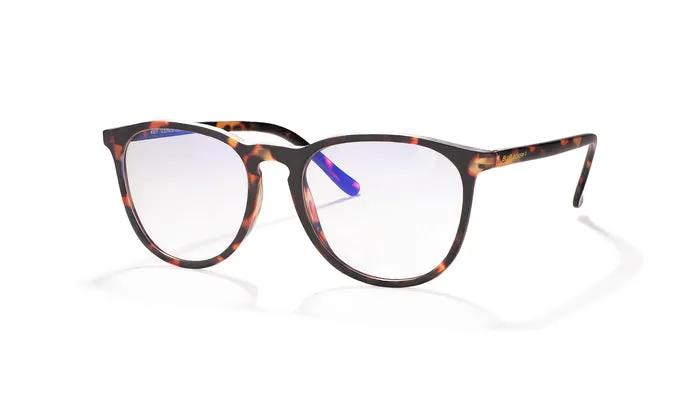
BLUblox BluLite Computer Glasses
Blue light from screens suppresses melatonin production and disrupts circadian rhythm, which directly impacts thyroid health. Melatonin isn't just a sleep hormone — it's a powerful antioxidant that protects the thyroid gland from oxidative damage and helps regulate the immune system. Disrupted circadian rhythm also impairs the nighttime TSH surge that is critical for thyroid hormone production. For hypothyroid patients who already struggle with sleep and fatigue, excessive blue light exposure makes everything worse. Wearing blue light filtering glasses during daytime screen use is a simple intervention that supports the circadian rhythm thyroid patients need to protect.
$80-$120
→
AquaTru
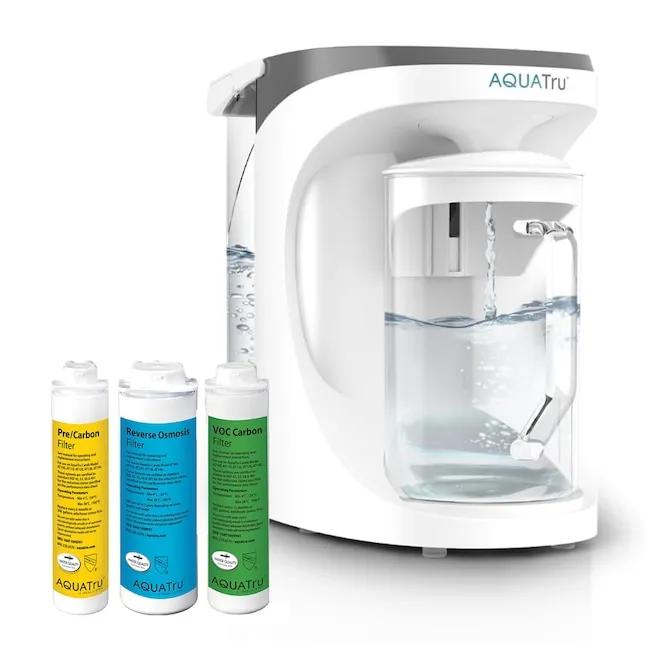
AquaTru Countertop Reverse Osmosis
Water quality is a significant but often overlooked factor in thyroid health. Fluoride and chlorine — present in most municipal water supplies — are halides that compete with iodine at thyroid receptor sites, potentially suppressing thyroid function. PFAS (forever chemicals) are established endocrine disruptors linked to thyroid disease in epidemiological studies. Heavy metals like lead and mercury can also impair thyroid hormone production and conversion. Reverse osmosis is the only filtration method that effectively removes all of these thyroid-disrupting contaminants. AquaTru makes RO filtration accessible without the complexity and cost of whole-house systems.
$399-$449
→Published Research
- [1]Endocrine-disrupting chemicals and thyroid function: a review — Boas M, Feldt-Rasmussen U, Main KM, European Journal of Endocrinology (2012)
- [2]PFAS exposure and thyroid function: a systematic review and meta-analysis — Lee JE, Choi K, Environmental Health Perspectives (2017)
- [3]Blood, urine, and sweat study: monitoring and elimination of bioaccumulated toxic elements — Genuis SJ, Birkholz D, Rodushkin I, Beesoon S, Archives of Environmental Contamination and Toxicology (2011)
Cautions
- Not a substitute for medical treatment
- Gradual changes are sustainable
- Focus on highest-impact swaps first (water, cookware)