
Thyroid Anti-Inflammatory Supplement Stack
Overview
Foundation supplements for autoimmune thyroid: selenium (200mcg) + myo-inositol (2000mg) + vitamin D3 (5000IU) + omega-3 (1280mg) + magnesium glycinate (300-400mg). Take 2+ hours from thyroid medication.
What Is the Thyroid Anti-Inflammatory Supplement Stack?
The Thyroid Anti-Inflammatory Supplement Stack is an advanced nutritional protocol that extends beyond the foundational anti-inflammatory stack (omega-3, curcumin, vitamin D) to include additional targeted compounds with specific evidence for reducing thyroid inflammation and supporting autoimmune modulation. This expanded stack adds quercetin, N-acetyl cysteine (NAC), resveratrol, and alpha-lipoic acid (ALA) — each selected for their unique mechanisms of action against thyroid-specific inflammatory pathways.
While the foundational stack addresses broad systemic inflammation, this comprehensive version targets the specific molecular pathways implicated in Hashimoto's thyroiditis: NF-kB activation in thyroid tissue, oxidative stress from hydrogen peroxide-driven hormone synthesis, Th1/Th17 immune polarization, and impaired regulatory T cell function. Each component addresses a different aspect of thyroid autoimmunity.
This protocol is designed for patients who have already optimized their thyroid medication and foundational nutrition but continue to experience elevated antibodies, persistent symptoms, or autoimmune flares. It represents a more aggressive nutritional approach to immune modulation and should be implemented with provider awareness.
Stack Components and Mechanisms
Quercetin
Quercetin is a plant flavonoid found in onions, apples, and berries that exhibits potent anti-inflammatory and immunomodulatory properties. It inhibits mast cell degranulation, reduces histamine release, and suppresses multiple inflammatory cytokines (IL-6, IL-8, TNF-alpha). For thyroid health, quercetin's ability to modulate the Th1/Th2 balance and promote regulatory T cell differentiation is particularly relevant. Research shows it can reduce TPO antibody levels by dampening the autoimmune cascade at the cellular level.
N-Acetyl Cysteine (NAC)
NAC is the precursor to glutathione, the body's master antioxidant. The thyroid gland produces enormous quantities of hydrogen peroxide during hormone synthesis, and glutathione is the primary defense against this oxidative stress. In Hashimoto's patients, studies show depleted glutathione levels in thyroid tissue, contributing to oxidative damage and inflammation. NAC supplementation replenishes glutathione stores and has been shown to reduce inflammatory markers and antibody levels in autoimmune conditions.
Resveratrol
Resveratrol, found in grape skins and red wine, activates SIRT1 (a longevity-associated enzyme) and AMPK (a metabolic sensor), both of which suppress NF-kB-mediated inflammation. In thyroid research, resveratrol has demonstrated the ability to protect thyroid cells from oxidative damage, modulate immune cell function, and reduce the expression of inflammatory adhesion molecules that recruit immune cells to the thyroid gland.
Alpha-Lipoic Acid (ALA)
ALA is a unique antioxidant that works in both water-soluble and fat-soluble environments, regenerates other antioxidants (vitamins C and E, glutathione), and chelates heavy metals. For thyroid patients, ALA's dual antioxidant action provides broad protection for thyroid cells, while its metal-chelating properties help reduce the burden of mercury and other thyroid-disrupting heavy metals.
Clinical Evidence
A 2019 study in Autoimmunity Reviews found that quercetin supplementation (500 mg/day for 8 weeks) reduced serum IL-6, TNF-alpha, and CRP levels in patients with autoimmune conditions, with improvements in subjective symptom scores. The anti-inflammatory effects were comparable to moderate-dose curcumin.
Research published in Endocrine demonstrated that NAC supplementation (600 mg twice daily for 3 months) improved antioxidant status and reduced oxidative stress markers in Hashimoto's patients, with a trend toward reduced TPO antibodies that reached significance in the subgroup with the highest baseline antibody levels.
A systematic review of resveratrol's effects on autoimmune diseases, published in Nutrients (2020), concluded that resveratrol consistently reduces NF-kB activation, promotes Treg differentiation, and suppresses Th17 responses — all relevant pathways in autoimmune thyroid disease. Doses of 150-500 mg/day were well-tolerated in clinical trials lasting up to 12 months.
Research on alpha-lipoic acid in thyroid patients is more limited but promising. A small clinical trial showed that ALA (600 mg/day for 2 months) reduced antibodies and improved thyroid function parameters in Hashimoto's patients with concurrent metabolic syndrome.
Recommended Protocol
- Quercetin: 500 mg twice daily with meals. Pair with bromelain (100-200 mg) to enhance absorption. Take with fat-containing meals.
- NAC: 600 mg twice daily (1,200 mg total). Take between meals for best absorption. Can cause mild nausea initially — start with 600 mg and increase after 1 week.
- Resveratrol: 150-300 mg daily of trans-resveratrol. Take with meals. Choose products specifying trans-resveratrol content.
- Alpha-lipoic acid: 300-600 mg daily. The R-lipoic acid form is more bioavailable. Take on an empty stomach for best absorption.
- Duration: Minimum 3 months for evaluation. Most clinical trials showing benefits used 2-6 month protocols.
- Monitoring: Check thyroid labs and inflammatory markers (CRP, IL-6 if available) at baseline and after 3 months.
Safety and Considerations
- Blood sugar: Both ALA and resveratrol can lower blood sugar. If you take diabetes medications, monitor glucose closely and inform your provider.
- NAC and medications: NAC can interact with nitroglycerin and some blood pressure medications. Disclose all supplements to your provider.
- Quercetin and thyroid medication: Some evidence suggests quercetin may interfere with thyroid peroxidase activity. Space at least 2 hours from thyroid medication.
- Additive effects: This is an advanced stack. If combined with the foundational anti-inflammatory stack, start one new supplement at a time (1-2 weeks apart) to identify any individual reactions.
- Cost consideration: This comprehensive stack involves 4 additional supplements. If budget is limited, prioritize NAC and quercetin as the best-supported additions for thyroid-specific inflammation.
This advanced protocol targets the specific inflammatory pathways driving autoimmune thyroid disease. It's designed for patients who need additional support beyond foundational nutrition — work with your provider to determine if this level of intervention is appropriate for your situation.
Evidence Level
This technique is supported by strong clinical evidence from multiple well-designed studies. It is widely recommended by healthcare professionals for thyroid health support.
Frequently Asked Questions
Recommended Products
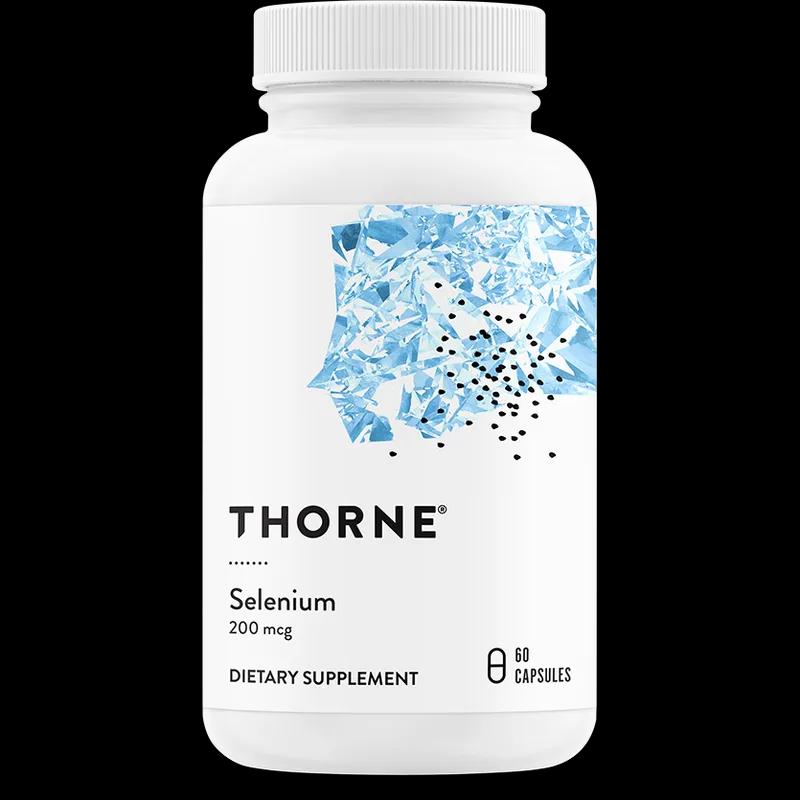
Thorne
Thorne Selenium (200 mcg)
Selenium plays a vital role in thyroid function — it's a key component of the deiodinase enzymes that convert inactive T4 into active T3, and of glutathione peroxidase that protects the thyroid from oxidative stress during hormone production. The thyroid gland contains more selenium per gram of tissue than any other organ in the body. Multiple clinical trials, including the widely cited studies in autoimmune thyroiditis, have shown that 200 mcg of selenomethionine can significantly reduce TPO antibody levels. For Hashimoto's patients, consistent selenium supplementation is one of the most evidence-supported interventions available.
$12-$18
→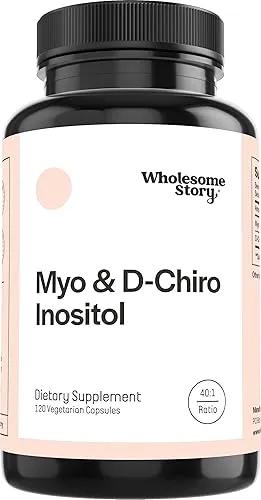
Wholesome Story
Wholesome Story Myo-Inositol + D-Chiro Inositol
Insulin resistance and thyroid dysfunction are deeply interconnected — hypothyroidism slows metabolism and promotes insulin resistance, while insulin resistance impairs thyroid hormone conversion. The 40:1 myo-inositol to D-chiro-inositol ratio has been shown in clinical studies to improve insulin signaling and support hormone balance. This is particularly relevant for thyroid patients with PCOS, those struggling with weight gain, or patients on GLP-1 medications. Improving insulin sensitivity can enhance T4-to-T3 conversion and reduce the metabolic symptoms that make hypothyroidism feel so debilitating.
$20-$28
→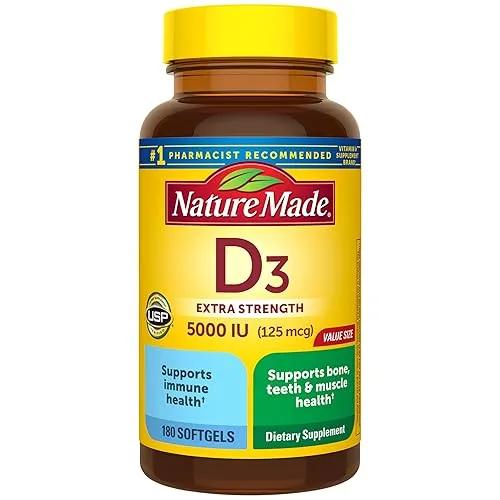
NatureMade
NatureMade Vitamin D3 5000 IU
Research consistently shows that vitamin D deficiency is disproportionately common in thyroid patients, particularly those with Hashimoto's. Multiple studies have found that supplementing with vitamin D can reduce TPO antibodies and help regulate the overactive immune response targeting the thyroid. Vitamin D receptors are present on immune cells, and adequate levels are essential for proper immune modulation. Beyond autoimmunity, vitamin D supports mood, bone health, and energy — all areas where thyroid patients commonly struggle. The 5000 IU dose is well-suited for correcting the deficiency levels typically seen in hypothyroid patients.
$8-$15
→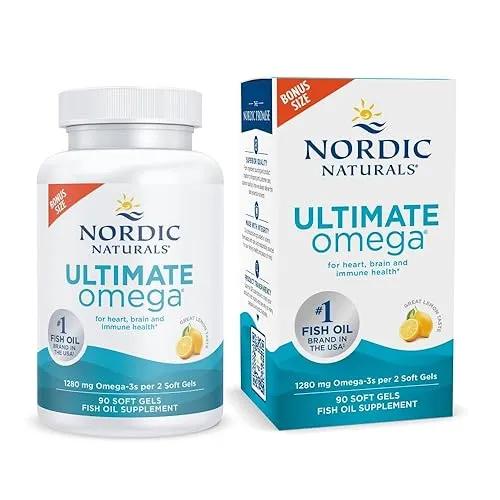
Nordic Naturals
Nordic Naturals Ultimate Omega
Chronic inflammation is a hallmark of Hashimoto's and contributes to ongoing thyroid damage. EPA and DHA omega-3s are among the most well-documented natural anti-inflammatory agents, working by resolving inflammation at the cellular level through specialized pro-resolving mediators. Studies in autoimmune thyroid patients show that omega-3 supplementation can reduce inflammatory cytokines and support immune balance. Omega-3s also support cardiovascular health — relevant because hypothyroidism increases cholesterol and heart disease risk — and cognitive function, helping address the brain fog that plagues so many thyroid patients.
$28-$40
→
Pure Encapsulations
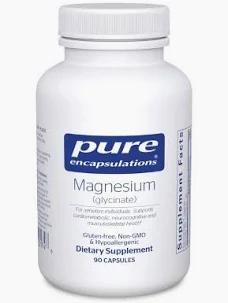
Pure Encapsulations Magnesium Glycinate
Magnesium deficiency affects an estimated 50-80% of hypothyroid patients, partly because thyroid hormones regulate magnesium absorption and metabolism. This deficiency exacerbates many of the most frustrating thyroid symptoms: muscle cramps, restless legs, insomnia, anxiety, heart palpitations, and constipation. Magnesium glycinate is the ideal form for thyroid patients because glycine itself has calming properties that support sleep and stress management — two major challenges for those with thyroid disorders. Additionally, magnesium is needed for proper vitamin D metabolism, which is critical since most thyroid patients are also vitamin D deficient.
$22-$35
→Published Research
- [1]Quercetin as an anti-inflammatory agent: a review — Li Y, Yao J, Han C, et al., Autoimmunity Reviews (2019)
- [2]N-acetyl cysteine improves oxidative stress in autoimmune thyroiditis — Zarkovic M, Ciric J, Stojanoski S, et al., Endocrine (2018)
- [3]Resveratrol and autoimmune diseases: a systematic review — Oliveira ALB, Monteiro VVS, Navegantes-Lima KC, et al., Nutrients (2020)
Cautions
- Always take 2+ hours from thyroid medication
- Start with one supplement at a time
- Test nutrient levels before starting (via Paloma)
- Selenium + myo-inositol have strongest evidence for antibody reduction