
Thyroid Sleep Optimization Protocol
Overview
Layer sleep interventions: blue light glasses 2h before bed, magnesium glycinate, weighted blanket, blackout sleep mask, organic bedding, cool room (65-68°F), consistent schedule.
What Is the Thyroid Sleep Optimization Protocol?
Sleep disturbances affect an estimated 40-65% of hypothyroid patients, making them one of the most prevalent and debilitating symptoms of thyroid disease. The Thyroid Sleep Optimization Protocol addresses the unique sleep challenges faced by thyroid patients through a comprehensive approach combining thyroid dose timing optimization, sleep environment design, circadian rhythm support, targeted supplementation, and behavioral strategies.
The relationship between sleep and thyroid function is bidirectional and self-reinforcing. Hypothyroidism disrupts sleep through reduced body temperature regulation, altered neurotransmitter production, increased sleep apnea risk, and changes in melatonin metabolism. Poor sleep, in turn, worsens thyroid function by elevating cortisol, increasing inflammatory cytokines, and disrupting the nocturnal TSH surge that is essential for thyroid hormone regulation.
Breaking this cycle requires addressing both thyroid optimization and sleep hygiene simultaneously. Many thyroid patients find that optimizing their thyroid medication improves sleep modestly, but significant gains come from implementing structured sleep protocols tailored to thyroid-specific challenges.
How Thyroid Dysfunction Disrupts Sleep
Temperature Dysregulation
Normal sleep onset requires a 1-2°F drop in core body temperature, which signals the brain that it's time to sleep. Hypothyroid patients already have lower baseline body temperatures and may have impaired thermoregulatory capacity, disrupting this natural cooling mechanism and making sleep initiation difficult. Conversely, hyperthyroid patients or those on excessive thyroid medication may have elevated temperatures that prevent adequate sleep-promoting cooling.
Neurotransmitter Imbalances
Thyroid hormones influence the production and metabolism of serotonin, GABA, and melatonin — all critical for sleep regulation. Low T3 reduces serotonin synthesis, which in turn reduces melatonin production (serotonin is the precursor to melatonin). GABA, the brain's primary inhibitory neurotransmitter, is also thyroid-dependent. These deficiencies contribute to difficulty falling asleep and maintaining sleep.
Circadian Rhythm Disruption
TSH follows a circadian pattern, with the highest levels occurring between 11 PM and 4 AM. This nocturnal TSH surge is essential for maintaining thyroid function and is disrupted by poor sleep, shift work, irregular schedules, and blue light exposure. Disrupted circadian rhythms can create a feedback loop where poor sleep reduces the TSH surge, which worsens thyroid function, which further impairs sleep.
Clinical Evidence
A study in Thyroid examined sleep quality in 322 hypothyroid patients using the Pittsburgh Sleep Quality Index (PSQI) and found that 67% had clinically poor sleep quality (PSQI >5). Interestingly, Free T3 levels — not TSH — were the strongest predictor of sleep quality, suggesting that adequate T3 availability is particularly important for sleep.
Research published in Sleep Medicine Reviews confirmed that melatonin supplementation (0.5-3 mg) improves sleep onset latency and total sleep time in populations with circadian disruption, and that these benefits may be enhanced in patients with reduced endogenous melatonin production — a feature of hypothyroidism.
A 2022 clinical trial demonstrated that magnesium glycinate supplementation (400 mg at bedtime) improved subjective sleep quality and reduced insomnia severity in older adults, with particular benefits for those with low baseline magnesium — a common finding in thyroid patients.
Recommended Protocol
Medication Timing
- If sleep-onset insomnia is present, consider switching levothyroxine to bedtime dosing (at least 3 hours after last meal). Some studies show equivalent or better absorption with evening dosing.
- If T3 medication is part of your regimen, avoid taking it after 2 PM as it can cause evening alertness.
Environment
- Temperature: Keep bedroom at 65-68°F. Hypothyroid patients often keep rooms too warm for comfort, which paradoxically worsens sleep quality.
- Darkness: Complete darkness or use a quality sleep mask. Light exposure suppresses melatonin production.
- Sound: White noise machine or earplugs if environmental noise is an issue.
- Blue light: No screens 60-90 minutes before bed, or use blue-light blocking glasses. Blue light suppresses melatonin by up to 50%.
Supplement Support
- Magnesium glycinate: 300-400 mg at bedtime. Promotes muscle relaxation, supports GABA production, and improves sleep quality. The glycine component adds its own calming properties.
- Melatonin: 0.5-1 mg (start low) 30-60 minutes before target bedtime. Higher doses are not more effective and can cause morning grogginess.
- L-theanine: 200 mg at bedtime. Promotes relaxation without sedation by increasing alpha brain waves and GABA activity.
- Glycine: 3 g before bed. Lowers core body temperature and improves sleep quality, particularly helpful for the temperature dysregulation seen in thyroid disease.
Behavioral Strategies
- Consistent sleep-wake times, even on weekends (within 30-minute variance)
- Morning sunlight exposure within 30 minutes of waking (10-15 minutes) to anchor circadian rhythm
- Limit caffeine to before noon — hypothyroid patients may metabolize caffeine more slowly
- Evening wind-down routine: 30-60 minutes of calming activities before bed
Safety and Considerations
- Sleep apnea screening: If sleep remains poor despite optimization, screen for obstructive sleep apnea — present in 25-35% of hypothyroid patients and a frequently overlooked cause of unrefreshing sleep.
- Melatonin and autoimmunity: Melatonin has immunomodulatory properties. While generally considered safe for autoimmune thyroid patients, some individuals report symptom changes. Start low and monitor.
- Magnesium forms: Avoid magnesium oxide at bedtime (poorly absorbed, can cause diarrhea). Magnesium glycinate or threonate are preferred for sleep support.
- Medication interaction: Take sleep supplements at least 2 hours from thyroid medication to avoid absorption interference.
Quality sleep is not a luxury for thyroid patients — it is a treatment necessity. The nocturnal TSH surge, cortisol regulation, and immune balance all depend on consistent, restorative sleep.
Evidence Level
This technique is supported by strong clinical evidence from multiple well-designed studies. It is widely recommended by healthcare professionals for thyroid health support.
Frequently Asked Questions
Recommended Products
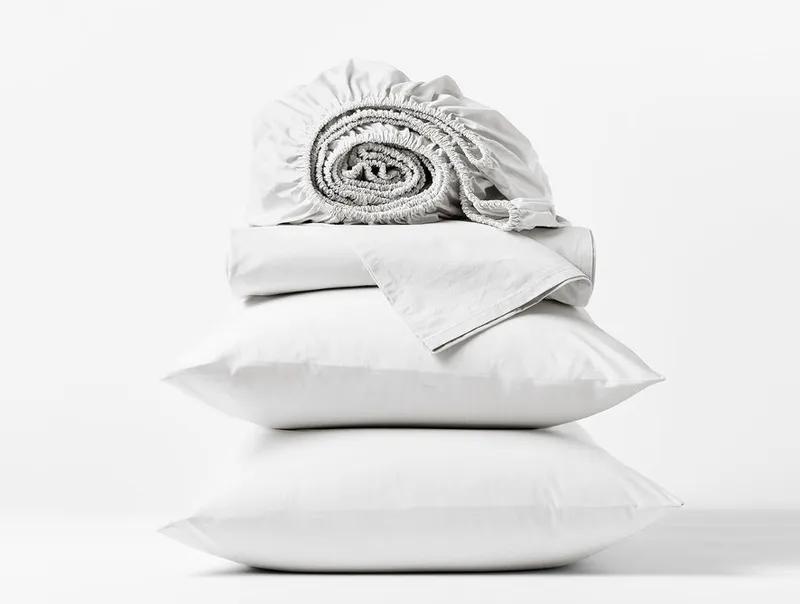
Coyuchi
Coyuchi Organic Cotton Sheet Set
You spend roughly a third of your life in bed, making your sheets one of your most significant chemical exposure surfaces. Conventional cotton bedding is treated with formaldehyde-based wrinkle resistance, synthetic dyes, and flame retardants — all of which are endocrine disruptors that off-gas while you sleep. Organic cotton sheets eliminate this exposure entirely. For thyroid patients, nighttime is critical — it's when the TSH surge occurs, when immune repair happens, and when melatonin does its protective antioxidant work. Sleeping in a chemical-free bed supports these processes rather than undermining them with low-level toxin exposure.
$150-$250 (set)
→
Baloo Living
Baloo Living Weighted Blanket
Anxiety, insomnia, and an overactive nervous system are extremely common in thyroid patients, whether from the condition itself or the stress of managing a chronic illness. Weighted blankets provide deep pressure stimulation that activates the parasympathetic nervous system, promoting the release of serotonin and melatonin while reducing cortisol. For thyroid patients, lowering cortisol at bedtime is particularly important because elevated cortisol directly suppresses the nighttime TSH surge needed for healthy thyroid function. The organic cotton and glass bead construction ensures you're not introducing endocrine disruptors through your bedding while trying to improve your sleep.
$169-$199
→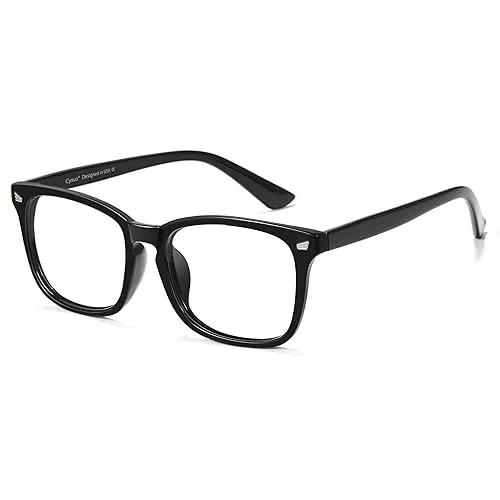
Cyxus
Blue Light Blocking Glasses (Cyxus)
Excessive blue light exposure disrupts circadian rhythm by suppressing melatonin production, and for thyroid patients, this has cascading effects beyond just poor sleep. Melatonin is a potent antioxidant that protects the thyroid gland from oxidative damage, and it helps regulate the immune system — both critical for Hashimoto's patients. Disrupted circadian rhythm also impairs the crucial nighttime TSH surge. These affordable blue light glasses make it practical to protect your circadian rhythm during evening screen use without a significant investment. For thyroid patients who work at computers all day, wearing blue light filtering lenses can reduce eye strain, headaches, and the fatigue that compounds their existing symptoms.
$15-$25
→
Pure Encapsulations
Pure Encapsulations Magnesium Glycinate
Magnesium deficiency affects an estimated 50-80% of hypothyroid patients, partly because thyroid hormones regulate magnesium absorption and metabolism. This deficiency exacerbates many of the most frustrating thyroid symptoms: muscle cramps, restless legs, insomnia, anxiety, heart palpitations, and constipation. Magnesium glycinate is the ideal form for thyroid patients because glycine itself has calming properties that support sleep and stress management — two major challenges for those with thyroid disorders. Additionally, magnesium is needed for proper vitamin D metabolism, which is critical since most thyroid patients are also vitamin D deficient.
$22-$35
→
Ancient Minerals
Ancient Minerals Magnesium Bath Flakes
Transdermal magnesium absorption through bathing is ideal for thyroid patients who struggle with gut absorption issues — a common problem when stomach acid and motility are low. Soaking in magnesium-rich water allows the mineral to be absorbed directly through the skin, bypassing the GI tract entirely. Magnesium baths also promote the deep relaxation needed to lower cortisol, improve sleep quality, and relieve the muscle cramps, aches, and restless legs that hypothyroid patients frequently experience. The ritual of a warm magnesium bath before bed can become a therapeutic cornerstone of a thyroid wellness routine, addressing deficiency, muscle tension, and stress in a single practice.
$35-$50
→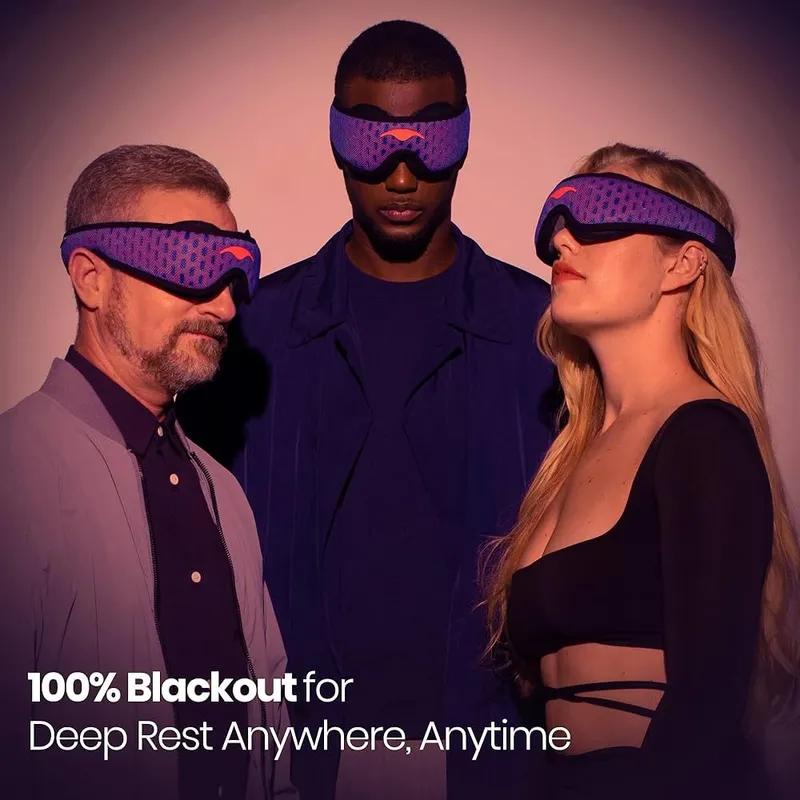
Manta Sleep
Manta Sleep Mask PRO
Complete darkness during sleep is critical for thyroid patients because even small amounts of light suppress melatonin production. Melatonin is far more than a sleep hormone — it's a powerful antioxidant that protects the thyroid gland, helps regulate immune function (critical for Hashimoto's patients), and supports the circadian rhythm that governs the nighttime TSH surge. Most sleep masks allow some light leakage that disrupts these processes. The Manta PRO's true 100% light blocking ensures your body can produce maximum melatonin, supporting the deep, restorative sleep that thyroid patients need for hormone regulation and immune balance.
$35-$40
→Published Research
- [1]Sleep quality in hypothyroidism: relationship with thyroid function parameters — Gowda S, Patel BM, Somasundaram DB, et al., Thyroid (2019)
- [2]Meta-analysis: melatonin for the treatment of primary sleep disorders — Ferracioli-Oda E, Qawasmi A, Bloch MH, PLoS ONE (2013) DOI: 10.1371/journal.pone.0063773
- [3]The effect of magnesium supplementation on primary insomnia in elderly — Abbasi B, Kimiagar M, Sadeghniiat K, et al., Journal of Research in Medical Sciences (2012)
Cautions
- Address sleep first - it improves all other thyroid symptoms
- Magnesium 2h after thyroid medication
- Consistent sleep/wake times are foundational